




Framed Portrait Lithographs
Framed portrait lithographs are ink images on paper under glass in wooden frames, prized for capturing likenesses across the nineteenth and twentieth centuries.

Framed Portrait Lithographs
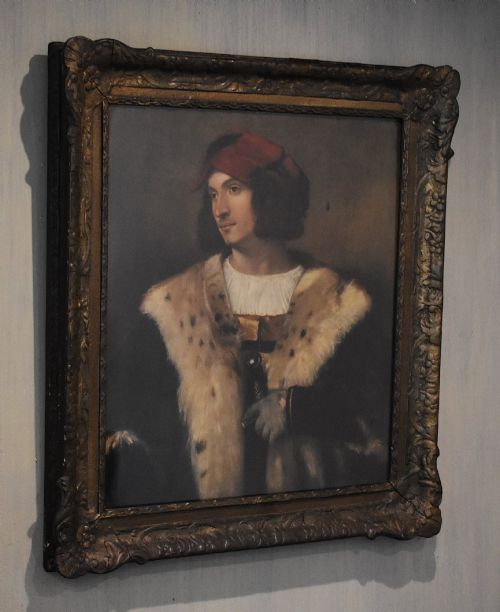
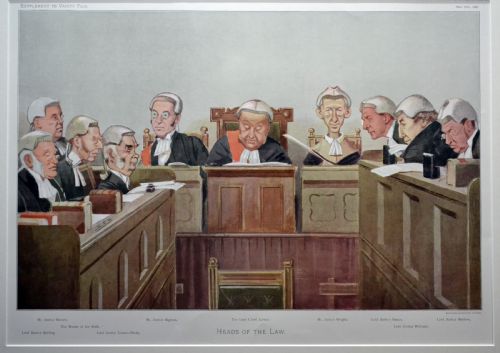
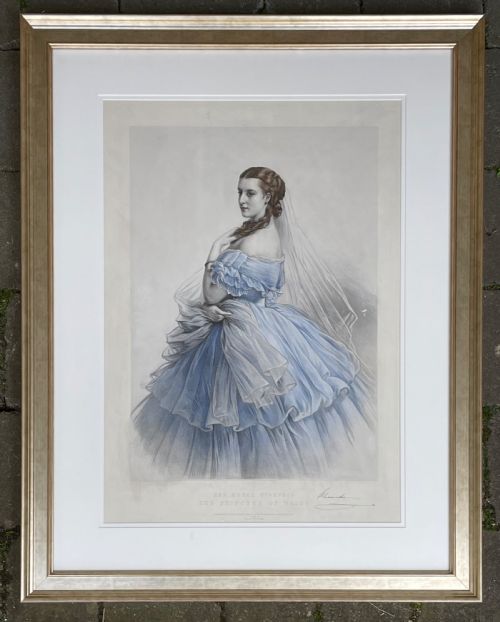
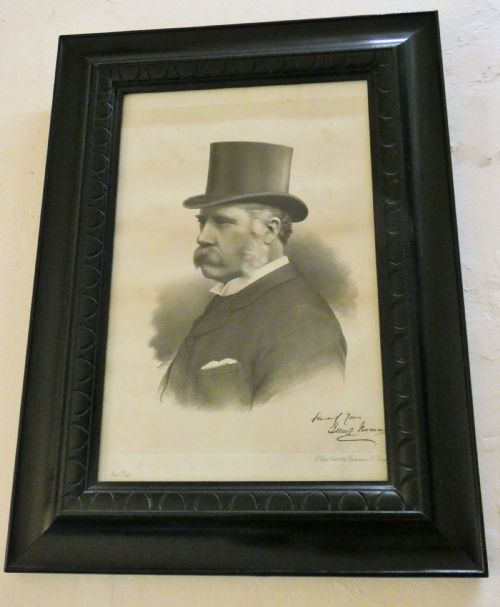
Framed portrait lithographs capture notable figures, children, and historical subjects across various periods from the nineteenth century through the mid twentieth century. These works appear in diverse forms including single framed prints, pairs, and grouped sets of caricatures or advertising sheets.
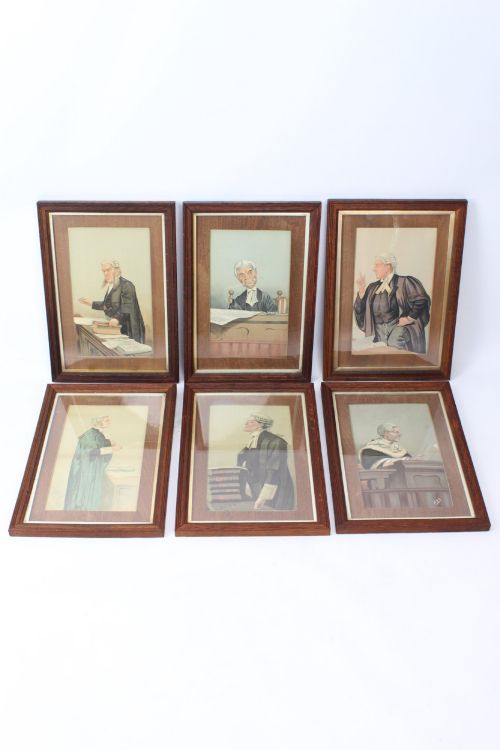
The subjects range from Vanity Fair caricatures and literary characters to royal figures and athletic champions like James Rowan. Most examples on this page date from the Victorian, Edwardian, and subsequent decades, often housed behind glass in wood or gilt frames.
Factors of quality
Quality rests upon the crispness of the ink impression and the fidelity of any applied watercolour, distinguishing delicate tonal work from flat reproduction. Superior examples maintain strong paper integrity without heavy discolouration or fading.
The craftsmanship of the surrounding frame also dictates overall standard, with period giltwood and original glass holding greater distinction than later replacements. Sets maintaining uniform appearance across multiple plates achieve higher desirability among collectors.
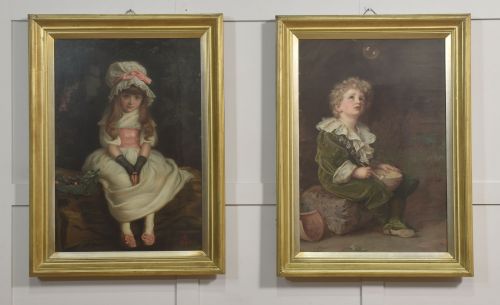
Soap bubbles and mischievous schoolboys share wall space with stern generals and Victorian soap stars.
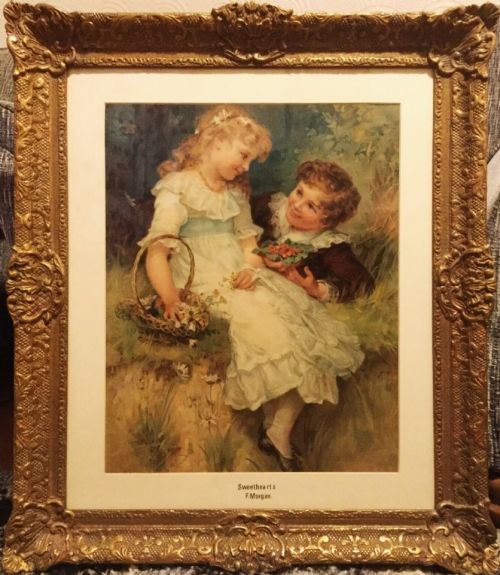
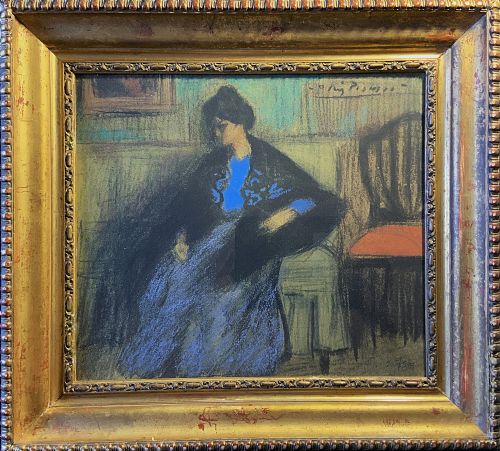
Frederick Morgans·Pablo Picasso·Titian·William Powell Frith·Snaffles
The Framed Portrait Lithographs Glossary
- Lithograph
- A print made by drawing an image on limestone or a metal plate with a greasy medium so that ink adheres only to the drawn areas. This technique allows for fine tonal gradations and detailed likenesses.
- Pochoir
- A stencil-based method used for applying vibrant colours to prints by hand. It creates crisp edges and saturated hues on the paper.
- Giltwood
- Wood carved and covered with a thin layer of gold leaf or metallic paint. It provides a bright, reflective border for framed works.
- Vanity Fair print
- A satirical caricature portrait published in a notable British periodical, frequently associated with the pseudonym Spy. These plates portray prominent Victorian and Edwardian figures.
- Hand coloured
- A print embellished with watercolour or tint applied by hand after the initial ink transfer. This adds individual colour variation to each sheet.
Framed Portrait Lithographs: Frequently Asked Questions
How do I clean the glass on these frames?
Use a soft cloth slightly dampened with water or standard glass cleaner, applying the liquid to the cloth rather than directly onto the frame. This prevents moisture from seeping beneath the moulding and damaging the paper print inside.
Take care to avoid letting liquid touch the wooden frame or gilt surfaces, as harsh chemicals can strip the finish. Wipe gently and dry thoroughly with a lint-free cloth.
Are these prints original period pieces?
The listings comprise works dating from various historical eras including the Victorian and Edwardian periods, alongside later twentieth century examples. Each piece reflects the printing technology and paper standards of its specific decade of origin.
Examine the paper texture, ink application, and framing materials to understand the age of the specific item. Descriptions note the assigned period for each individual listing.
How should I hang framed portrait lithographs?
Select an interior wall away from direct sunlight and damp conditions, as ultraviolet light fades printing ink and moisture degrades paper. Use sturdy picture hooks rated for the weight of the wood and glass frame.
Ensure the hanging wire or brackets securely support the entire assembly to prevent accidental slips. Maintaining a stable indoor climate protects both the paper and the wooden surround.
What subjects are common in these lithographs?
Common subjects include satirical caricatures of public figures, theatrical performers, literary characters like Dolly Varden, and advertising icons such as Pears soap images. Portraits of royalty, historical personages, and sporting personalities also appear frequently.
These depictions reflect the popular culture and notable individuals of the nineteenth and early twentieth centuries. Sets often group related characters together by profession or publication.