
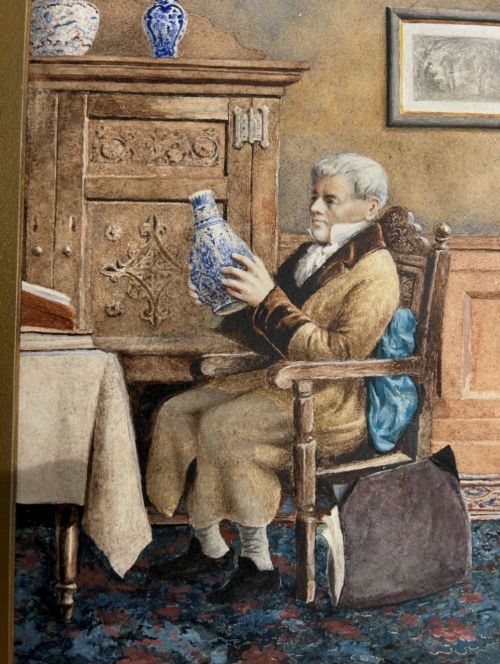
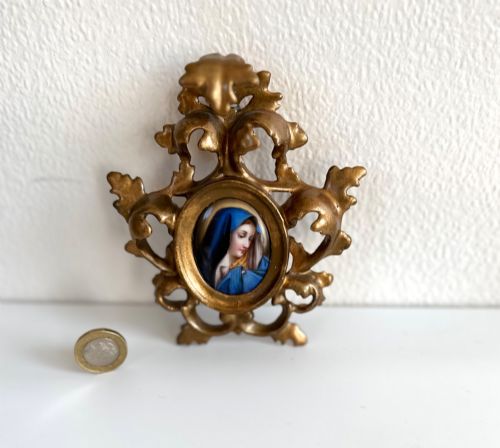
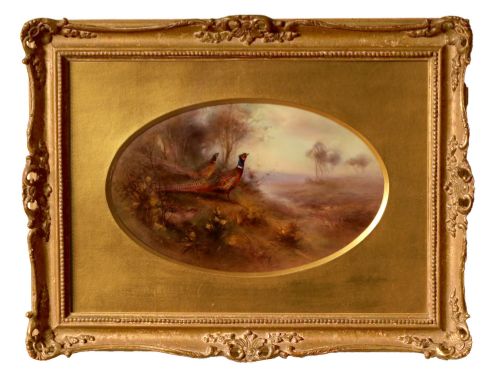


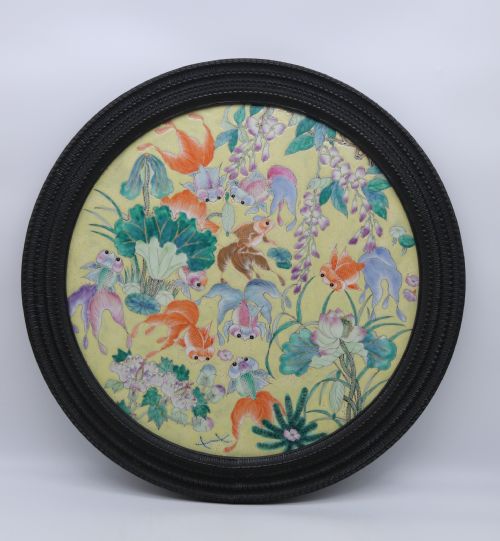


Framed Porcelain Painting
These framed porcelain painting works bring miniature and cabinet artistry onto the wall, offering lasting colour that resists fading.
Framed Porcelain Painting
A framed porcelain painting takes the form of a porcelain plaque, panel, or tile decorated with fired pigments and secured inside a wood, giltwood, or metal frame. The selection on this page centres on nineteenth century European works alongside Chinese Republican period pieces.
Buyers encounter portraits, still lifes of fruit and flowers, and narrative scenes after earlier masters. These pieces function as wall art, wall plaques, and miniature portraits designed to capture fine detail at a small scale.
The most common examples span the Victorian and Edwardian eras into the early twentieth century, drawing on factories such as KPM, Royal Worcester, and Sevres. They combine ceramic bodies with decorative surrounds that range from simple wood to ornate gilt metal or carved wood.
How they were made
Makers painted mineral colours onto a flat porcelain blank before firing the piece in a kiln to fuse the pigments permanently into the glaze. This technique ensured the imagery maintained its depth and hue without the surface degradation common to paper or canvas.
Finished plaques were then mounted into protective housings made from giltwood, wood, glass, and gilt metal. Many relied on heavy or carved frames that complemented the intricate hand-painted subjects within.
Some nineteenth-century artists spent months painting a single pair of fruit plaques just so a ginger jar could look convincingly juicy.
What varies in quality
The origin of the porcelain blank and the reputation of the studio or painter also dictate distinction. Factory marks from Berlin KPM or Royal Worcester, alongside signatures from recognised artists, separate standard decorative items from superior works.
James Stinton·KPM·Royal Worcester·Sevres·William Rayworth
The Framed Porcelain Painting Glossary
- Porcelain plaque
- A flat ceramic tablet fired at high temperatures to provide a smooth, stable ground for miniature painting. It replaces canvas or paper in these works.
- Giltwood
- Wood carved and coated with a thin layer of gold leaf or metallic powder. It provides a reflective, ornate border for many nineteenth-century wall pieces.
- Republican period
- A Chinese era spanning the early twentieth century noted for specific styles of painted porcelain panels and plaques. Pieces from this time often depict traditional aquatic scenes or historical figures.
- Ormolu
- Cast bronze mounted with a fine gold-gilt finish used for decorative frames and mounts. It adds weight and metallic lustre to the presentation.
Framed Porcelain Painting: Frequently Asked Questions
How do I hang a heavy porcelain plaque?
Ensure your wall fixing matches the combined weight of the porcelain and its frame. Secure the hanging wire directly to the frame structure rather than backing boards.
Check that the plaque hangs flat against the wall to prevent accidental shifting or vibration from daily foot traffic.
Are these paintings fired onto the ceramic?
Yes, the artists applied mineral pigments onto glazed or biscuit porcelain before subjecting the pieces to high-temperature kiln firings. This process vitrified the colours into the surface.
As a result, the painted layers resist fading and moisture far better than traditional watercolours or oils on canvas.
How do I tell KPM pieces apart?
Look for underglaze blue sceptre marks or impressed iron-cross stamps on the reverse of the porcelain body. These factory ciphers indicate Berlin manufacture.
Combine these factory marks with the subject matter and frame style to help determine the approximate nineteenth-century decade of production.