




Framed Pith Painting
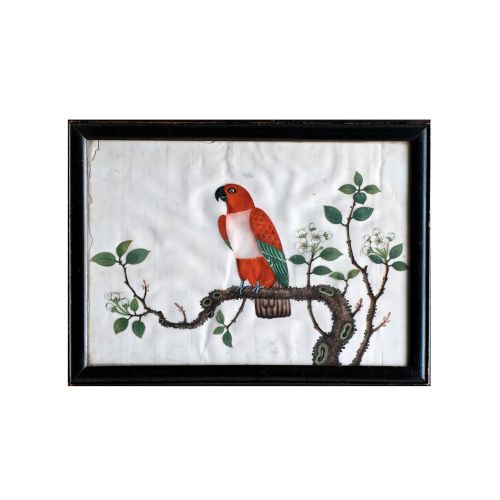
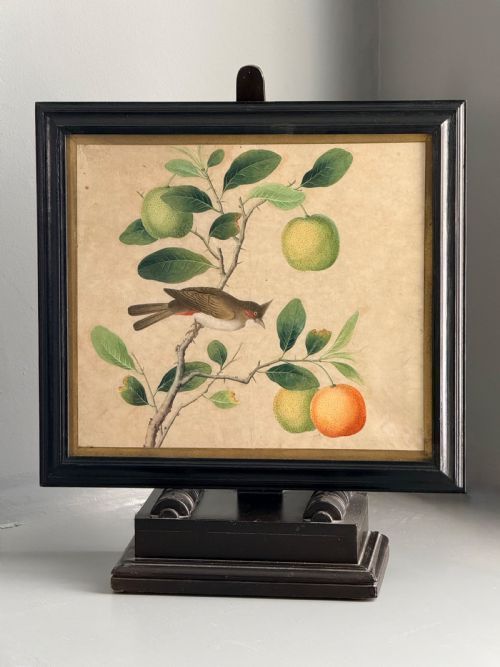
These framed pith painting works are delicate Chinese export watercolours and gouache paintings on fragile plant pith paper, offering collectors vibrant historic scenes framed behind glass.
Framed Pith Painting
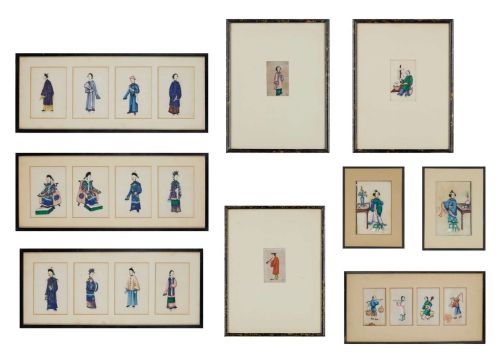
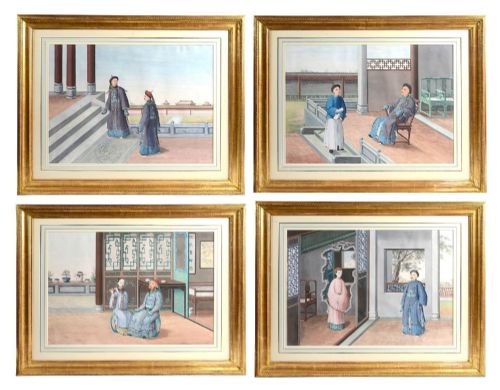
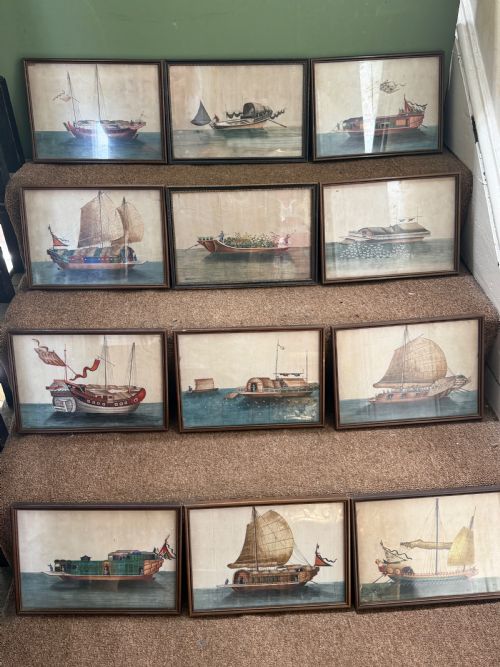
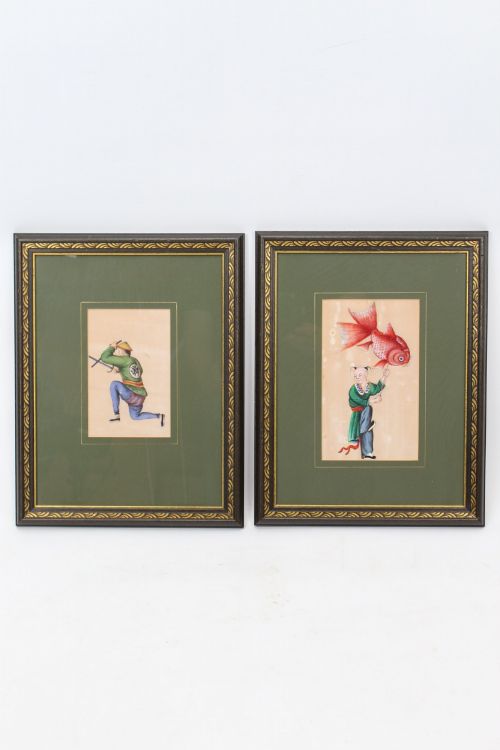
When you search for framed pith painting, you find historical works originating mainly from the 19th century and the Qing Dynasty. These pieces capture traditional Chinese export subjects such as figures, butterflies, insects, and maritime junks.
You are most likely to encounter framed works executed in gouache and watercolour on pith paper, often presented individually or in sets of twelve. The materials reflect classic Chinese export art traditions created for Western markets during the Regency and Victorian eras.
How they were made
Makers produced these works using delicate pith paper sliced from the spongy interior of the Tetrapanax papyrifer plant. Artisans applied watercolours and gouache directly onto this absorbent surface, capturing fine detail in the pigment.
Finished paintings were commonly mounted behind glass within wooden frames to protect the fragile organic paper from damage. Silk elements occasionally appeared alongside the pith paper within these framed assemblies.
Framed Pith Painting Retail Price Guide 2026
Typical asking prices for framed pith painting among the pieces listed under this phrase on Sellingantiques today, from the lower quarter to the upper quarter. They describe what is for sale here now, not the wider market.
Delicate butterflies and bustling maritime junks share the exact same spongy botanical canvas.
What varies in quality
The sophistication of the brushwork and the vibrancy of the gouache pigments distinguish finer examples from simpler decorative output. Sets that retain their original grouping and consistent coloration command greater interest.
The preservation of the delicate pith paper beneath the glass influences the overall integrity of the piece. Finer works display minimal cracking or fading across the painted surface.
The Framed Pith Painting Glossary
- Pith paper
- A delicate, spongy material sliced from the stem of the Tetrapanax papyrifer plant. It possesses a velvet-like texture that absorbs watercolour and gouache with exceptional brilliance.
- Chinese Export
- Artworks created in China specifically for Western buyers and foreign markets during the Qing Dynasty. These pieces often blend traditional Eastern subjects with European framing and presentation formats.
- Gouache
- An opaque water-based medium containing pigment and a binding agent such as gum. It provides the dense, matte colour fields seen on these export paintings.
- Junk
- A traditional Chinese sailing vessel featuring battened sails. These ships frequently appear as subjects in late 19th-century export watercolours.
Framed Pith Painting: Frequently Asked Questions
What is pith paper?
Pith paper is a delicate, spongy botanical material derived from the stem of the Tetrapanax papyrifer plant.
It is not traditional paper made from wood pulp or rags, which gives these paintings their distinct velvety surface.
How should I display them?
These framed works require protection from direct sunlight to prevent the gouache pigments from fading over time.
Keep them behind their glass in stable indoor environments away from excessive moisture.
Are they all from the 19th century?
Most surviving examples date from the 19th century and the Qing Dynasty export period.
Some pieces extend into the Edwardian era and around 1900, reflecting continued production for Western collectors.
Why do they come in sets?
Export artists frequently produced themed series depicting figures, butterflies, insects, or maritime junks.
These sets allowed European travellers to purchase cohesive collections of Chinese daily life and trade.