



Framed Pith Art
Framed pith art offers a delicate glimpse into historical trade, presenting fragile painted scenes preserved beneath glass.
Framed Pith Art
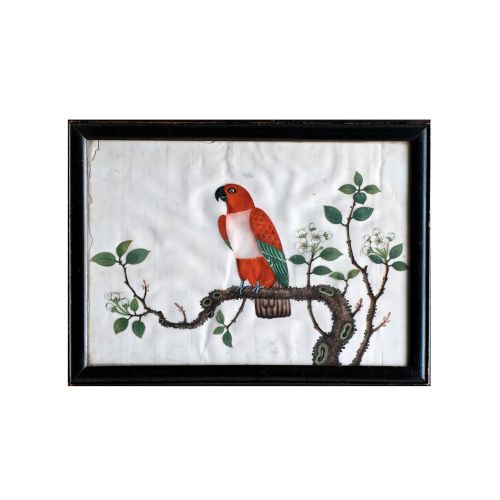
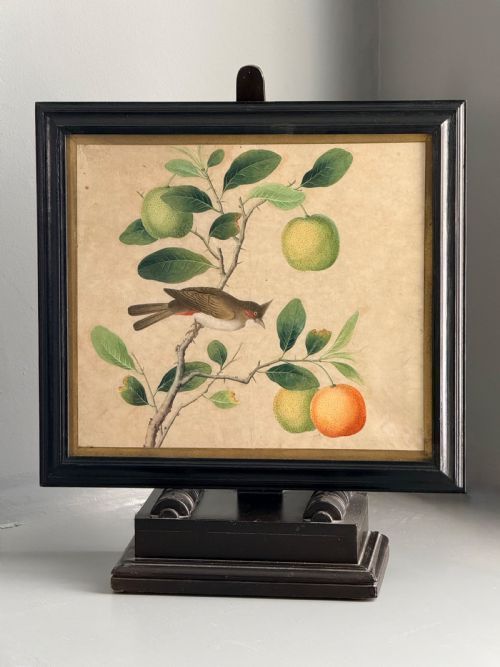
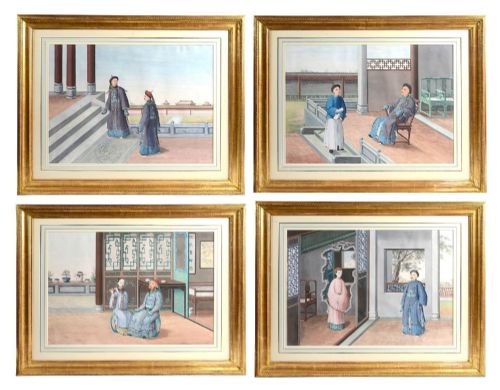
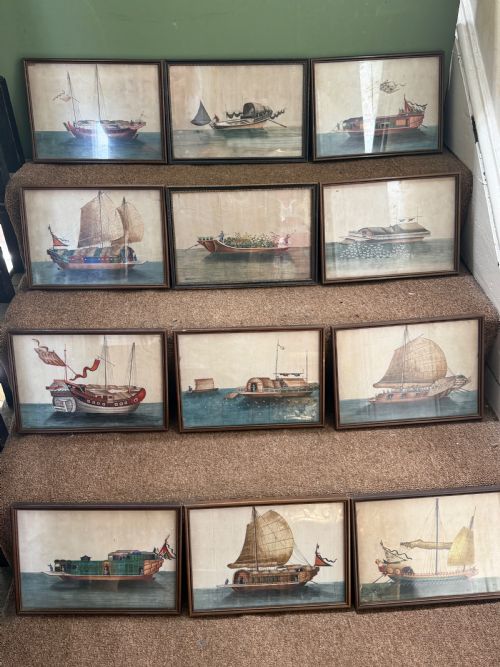
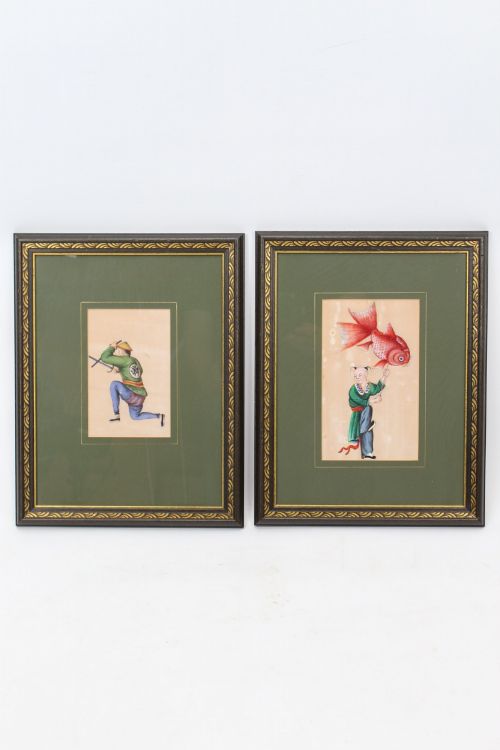
When you search for framed pith art, you encounter historical paintings created on the spongy pith of the Tetrapanax papyrifer plant, commonly known as rice paper. These fragile works primarily originate from the Chinese Export art tradition, produced for Western markets during the Qing Dynasty and the nineteenth century. You are most likely to meet framed sets of figural studies, butterflies, insects, and maritime junks, often grouped together behind glass.
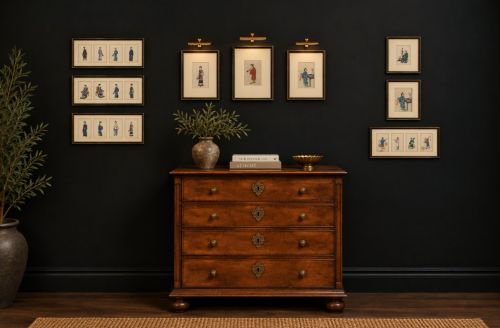
The objects span periods from the eighteenth century through the Edwardian era, with Regency and late nineteenth-century examples appearing frequently. Surviving pieces take the form of individual framed artworks, wall art, and multi-piece sets mounted for display. Their survival in framed formats accounts for their preservation today, as the pith material tears easily if left unprotected.
How they were made
Makers produced these works by slicing the cellular pith of the rice paper plant into thin, semi-transparent sheets that absorbed water-based pigments with a distinctive velvety sheen. Artists applied gouache, watercolour, and ink directly onto this delicate ground, building up luminous colours for depictions of flora, fauna, and figures. The resulting paintings were subsequently secured within wooden frames behind glass to protect the fragile organic paper from atmospheric damage.
Production concentrated in workshops catering to Qing Dynasty export markets, where artisans combined traditional brush techniques with subjects appealing to Western collectors. Framing methods varied from period mounts to later nineteenth-century mouldings, serving to stabilize the light pith sheets against warping and tearing.
Framed Pith Art Retail Price Guide 2026
Typical asking prices for framed pith art among the pieces listed under this phrase on Sellingantiques today, from the lower quarter to the upper quarter. They describe what is for sale here now, not the wider market.
Several sets feature meticulous depictions of butterflies and insects, proving that historical artists enjoyed painting tiny six-legged subjects just as much as grand imperial junks.
What varies in quality
The distinction between pieces rests on the precision of the brushwork and the complexity of the subject matter, ranging from simple botanical studies to intricate multi-figure compositions. Works depicting detailed subjects like butterflies, insects, and shipping junks demonstrate greater artistic execution than simpler decorative sheets. Preservation also dictates standard, as intact pigment layers without fading or cracking command higher regard.
The completeness of original sets alters the character of the artwork, with matched groups of twelve or twenty-one pieces representing substantial workshop output. Additionally, the quality of the surrounding wooden frames and the stability of the glass mounting influence how successfully the artwork has survived down the centuries.
The Framed Pith Art Glossary
- Pith Paper
- A delicate, spongy material sliced from the stem of the Tetrapanax papyrifer plant. It is frequently misidentified as rice paper due to its texture.
- Chinese Export Art
- Goods manufactured in China specifically for Western markets from the eighteenth century onwards. These items blend Eastern techniques with Western aesthetic preferences.
- Gouache
- An opaque water-based paint composed of pigment, water, and a binding agent such as gum. It provides the dense, matte colour seen on many export paintings.
- Qing Dynasty
- The final imperial dynasty of China, spanning the seventeenth to the early twentieth century. Most export paintings date from the later years of this period.
- Junk
- A traditional flat-bottomed Chinese sailing vessel. These ships appear frequently as subjects in nineteenth-century maritime paintings.
Framed Pith Art: Frequently Asked Questions
What is pith art?
Pith art consists of historical paintings executed on thin sheets of plant pith rather than standard tree-based paper. These works capture scenes of daily life, flora, and fauna created for export during the Qing Dynasty.
Protected behind glass in wooden frames, these delicate creations survive as colourful records of trade and cross-cultural exchange.
How should I display pith paintings?
Display these works away from direct sunlight to prevent the gouache and watercolour pigments from fading. The delicate pith material reacts poorly to humidity changes, so stable indoor environments are essential.
Keep them securely mounted within their frames behind glass to avoid physical contact with the fragile surface.
Are these works fragile?
The pith paper used for these paintings has a spongy, cork-like texture that tears and bruises easily if touched or exposed to moisture. The protective glass in the frame prevents air currents and accidental contact from damaging the delicate substrate.
Handling should be kept to an absolute minimum to preserve the integrity of the paint layer.
How do I date these pieces?
Dating relies on stylistic markers from the Qing Dynasty, Regency, and Edwardian periods, alongside the construction of the wooden frames. Nineteenth-century examples often feature in sets of figural studies or maritime views.
Changes in framing styles and mounting techniques help establish the chronological context of each artwork.