
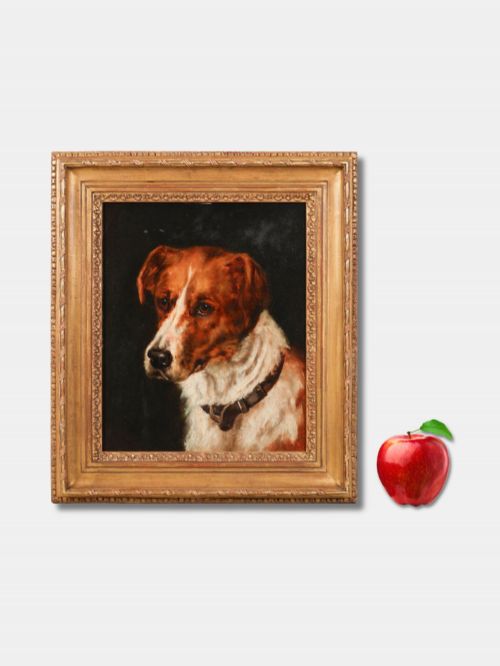


Framed Pet Portrait Art
Framed pet portrait art captures beloved animals in enduring oil, pastel, and needlework, offering a direct window into historical domestic companionship.
Framed Pet Portrait Art
Framed pet portrait art consists of historical depictions of dogs, cats, and birds rendered in traditional painting and drawing mediums. These works span from the Regency era through the mid-century, capturing individual animals with distinct personalities.
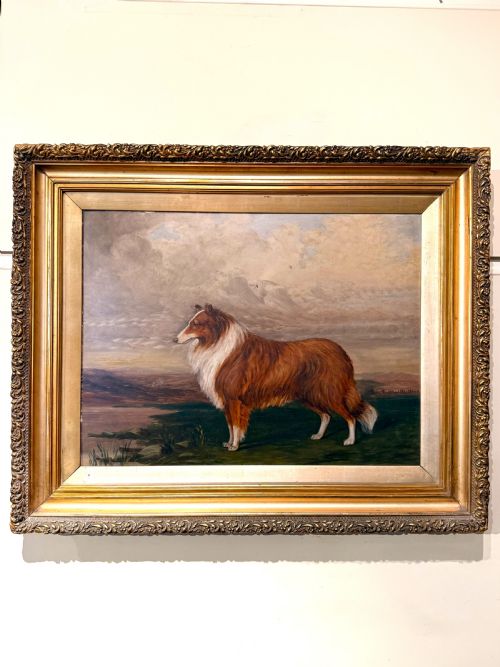
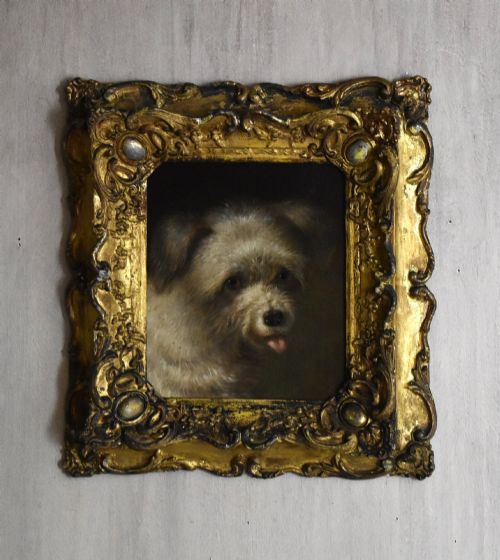
Buyers frequently encounter nineteenth-century oil paintings on board or canvas, often housed within original gilt or burr maple frames. Common subjects range from prized spaniels and terriers to groups of kittens and rabbits.
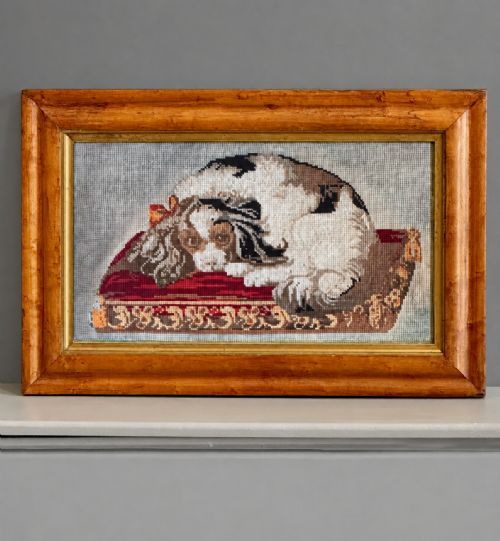
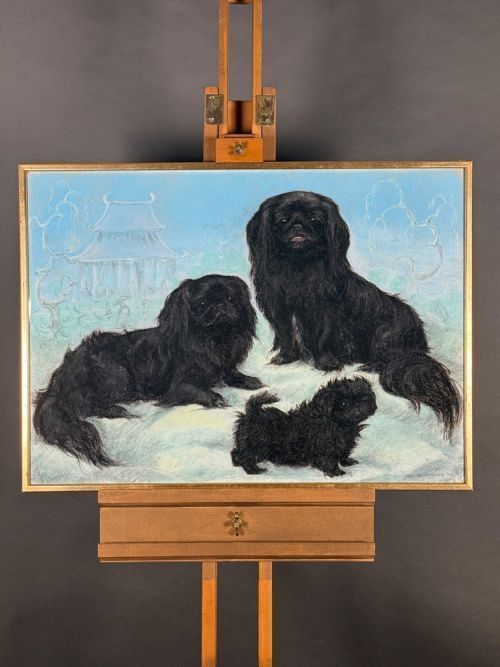
The selections extend beyond simple canine and feline studies to include needlework textile pieces and pastel drawings. Each format reflects the specific domestic tastes and decorative traditions of its respective period.
How they were made
Painters utilised oil paint applied to canvas, board, or wood panels, building up layers to render the texture of animal fur and domestic interiors. Many works combine oil with gold leaf accents on the surrounding frames.
Alternative methods include pastel on paper drawings and Berlin work needlework, where wool threads create detailed textile imagery. Wood frames, occasionally burr maple, house and protect these diverse artistic mediums.
Subject matter centres on dogs, cats, and birds, depicted both singly and in domestic group settings.
What varies in quality
Quality rests primarily on the anatomical accuracy and psychological presence the artist achieves in rendering the animal. Finer examples display a sophisticated handling of light across fur and fabric within the interior setting.
The integrity of the original frame and the preservation of the underlying canvas or board significantly influence the overall standard of the piece. Works by recognised painters command attention through superior brushwork and compositional balance.
Martin Theodore Ward·LM Webb·William Barraud·Agnes Augusta Talboys·Christian Lindner·John Henry Dell·M.E. Hankinson·Valentine Thomas Garland·Florence Mabel Hollams·Philip Eustace Stretton·Charles Burton Barber·Francisco Jose Domingo y Marques·Samuel John Carter·Benedict Angell Hyland·Jules Le Roy
The Framed Pet Portrait Art Glossary
- Berlin work
- A type of nineteenth-century needlework stitched in wool from a coloured pattern grid, often depicting animals. It produced vibrant textile pictures mounted behind glass.
- Oil on board
- A painting execution where pigments are applied directly to a rigid wooden or composition board rather than stretched fabric. This method was common for smaller nineteenth and twentieth-century animal studies.
- Pastel
- A dry medium composed of powdered pigment and a binder, used to create soft-toned drawings on paper. These works require protective glass glazing to prevent smudging.
- Burr maple
- A wood veneer featuring swirling, knotty growths that create a highly decorative grain pattern. It was frequently utilised for nineteenth-century picture frames.
- Chromolithograph
- A multi-coloured print reproduction technique from the nineteenth century that mimics the appearance of original paintings. These prints offered accessible animal imagery for domestic interiors.
Framed Pet Portrait Art: Frequently Asked Questions
How do I date an antique pet painting?
Dating relies on stylistic clues, framing materials, and artist signatures recorded on the work. Clothing styles in human figures or the specific construction of the wooden stretcher frame also offer chronological markers.
Period pigments and canvas types provide further verification. Comparing the technique to documented examples from nineteenth or early twentieth-century schools narrows the origin.
Are these paintings original or reproductions?
The selection consists of original period works, including hand-painted oils on canvas, wood panels, and unique pastel drawings. Each piece was individually created by artists capturing specific domestic animals.
Occasional printed items, such as period chromolithographs, are explicitly identified in their descriptions. Close inspection under magnification reveals the authentic brushwork and pigment layering of hand-painted art.
How should I care for oil portraits on board?
Keep painted wooden boards away from direct sunlight and fluctuating household temperatures to prevent warping or cracking. Gentle dusting with a dry, soft brush maintains the surface without moisture damage.
Avoid chemical cleaning agents on both the paint layer and the antique frame. Professional conservators should handle any structural repairs to the canvas or wooden support.
Why do some animal portraits feature specific breeds?
Victorian and Edwardian patrons frequently commissioned portraits to celebrate prized hunting dogs, racing champions, or beloved household companions. These animals held high status within the domestic household.
Artists specialised in capturing the distinct physical traits and alert expressions of specific breeds like King Charles spaniels and terriers. This focus reflected a growing cultural affection for domesticated pets during the nineteenth century.