


Framed Pencil Portrait
When you search for a framed pencil portrait, you enter a world of intimate portraiture recorded through graphite, charcoal, and delicate paper.
Framed Pencil Portrait
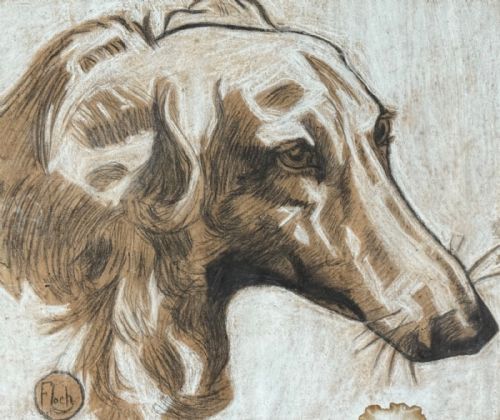
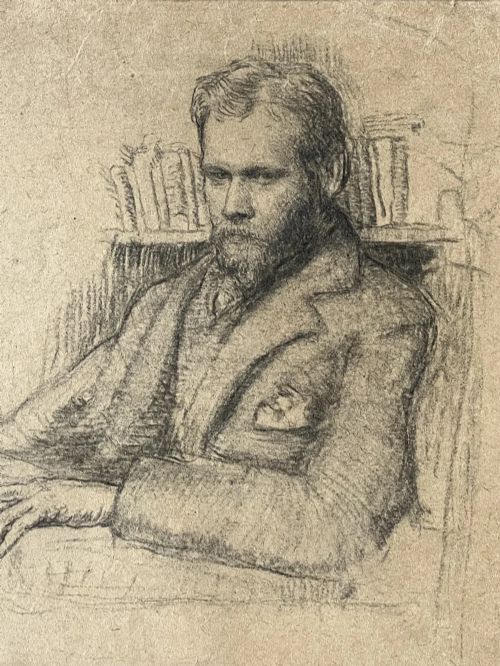
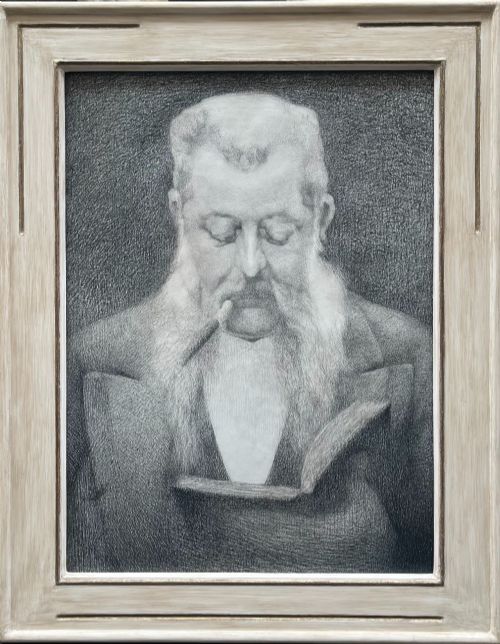
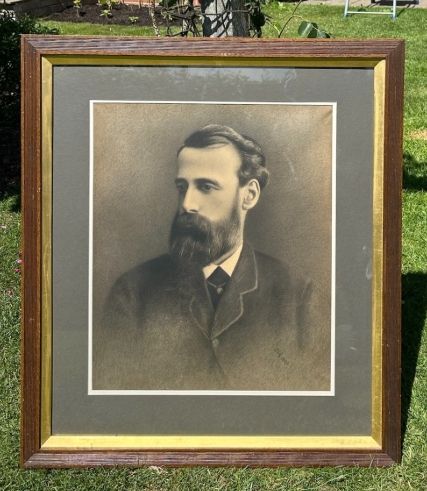
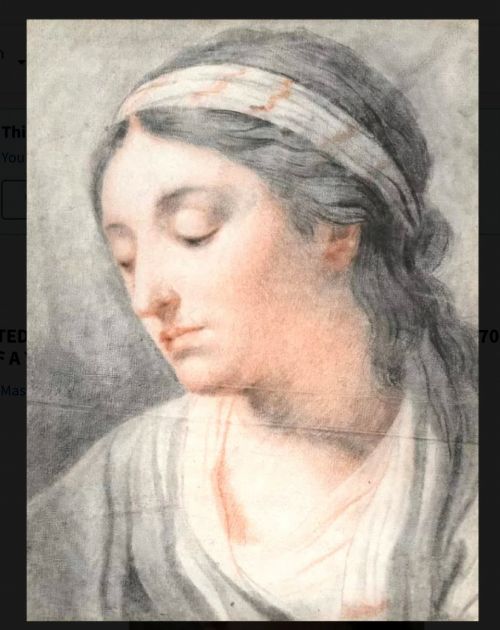
A framed pencil portrait captures human likeness through delicate strokes of graphite, charcoal, or plumbago on paper, preserved behind glass. These works range from rapid studio sketches and preliminary head studies to highly finished academic portraits created across several centuries.
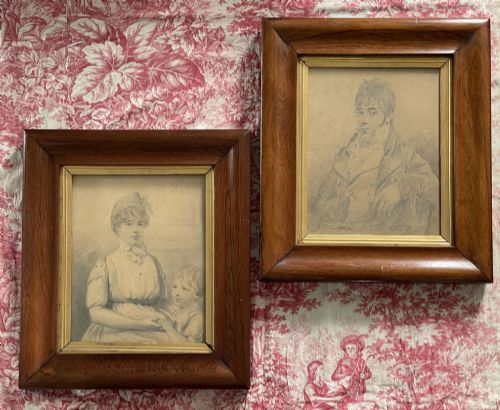
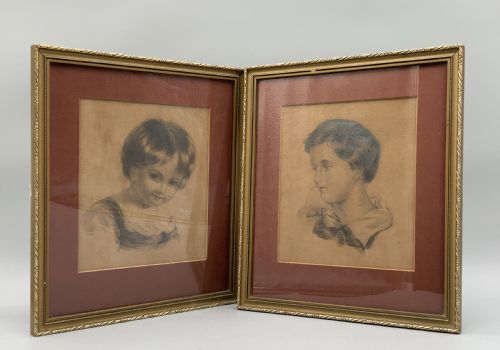
On this page, you will encounter examples spanning the eighteenth century through to the mid-twentieth century, including Regency-era depictions, Victorian character studies, and Art Deco works. Common formats include single framed drawings, paired portraits, and occasional sets on paper.
The subjects vary widely, depicting historical figures, family friends, children, and literary personalities captured by named artists and anonymous hands alike. Many retain their original wooden frames, sometimes enhanced with gold leaf accents or washes of watercolour.
Materials and Technique
The foundation of these works rests upon paper, ranging from buff sheets to fine drawing paper, upon which artists built up form using graphite, charcoal, or plumbago. Plumbago utilises purified lead ore to produce crisp, miniature-like precision common in the eighteenth century.
Many pieces incorporate subtle washes of watercolour or touches of pastel alongside pencil lines to add warmth and depth to skin tones or garments. The resulting drawings are secured within protective wooden frames, frequently safeguarded behind glass to prevent smudging of the delicate mediums.
Listings span multiple centuries, uniting eighteenth-century plumbago miniatures with twentieth-century modernist pencil sketches.
Factors of Quality
Quality in these portraits rests upon the sureness of the draughtsmanship and the ability of the artist to capture psychological depth and character within a monochromatic medium. The fluidity of the line, correct anatomical proportions, and expressive handling of light and shadow separate skilled academic execution from rigid copying.
The preservation of the paper and the integrity of the original framing elements also dictate desirability. Clean paper surfaces free from excessive foxing, combined with period frames that complement the era of the drawing, elevate the piece.
Augustus John·John Taylor·James Ferguson·Ozias Humphry·George Perfect Harding·Theobald Chartran·Ernest Borough Johnson·Richard Beavis
The Framed Pencil Portrait Glossary
- Plumbago
- An early form of pencil drawing utilising pure graphite, popular in the seventeenth and eighteenth centuries for producing highly detailed miniature portraits. These works display extreme precision and fine linework.
- Graphite
- A crystalline form of carbon used as the primary marking material in pencils, allowing artists to achieve varying tones from pale grey to deep metallic black. It forms the backbone of most drawn portraiture.
- Charcoal
- A dry drawing medium made from burnt organic matter, producing rich, dark black lines and soft smudged shadows. It is frequently employed for expressive and bold portrait studies.
- Buff paper
- A warm, brownish-yellow tinted paper commonly utilised by artists during the nineteenth and twentieth centuries. It provides a neutral mid-tone base that allows white highlights to stand out effectively.
- Gilded frame
- A wooden picture frame coated with a thin layer of gold leaf or metallic paint, adding decorative luminance to the artwork it encloses. These frames often reflect the prevailing aesthetic of the portrait's era.
Framed Pencil Portrait: Frequently Asked Questions
How should I care for a framed pencil portrait?
Display these works away from direct sunlight to prevent the paper from yellowing and the pencil pigments from fading over time. Maintaining stable indoor humidity protects both the antique paper and the wooden frame from warping.
Ensure the glass remains intact to shield the delicate graphite or charcoal surface from dust and accidental touch. Professional framing using acid-free backing materials preserves the longevity of older works on paper.
Were these portraits meant to be preliminary sketches?
Some pieces serve as rapid preparatory studies or life drawings created before painting a larger canvas. Others were completed as finished independent artworks intended for intimate domestic display.
Artists often captured quick likenesses in studio settings, while plumbago and detailed pencil works functioned as finished portraiture for wealthy patrons.
How do I identify the period of a drawing?
Clothing styles, hairstyles, and framing techniques offer the most reliable clues for dating portraiture across different centuries. Regency subjects typically feature neoclassical attire, while Victorian examples display more elaborate Victorian dress and heavier ornamentation.
Signatures, inscriptions on the reverse, and the type of paper or watermark can also provide precise chronological markers for specific artists and sitters.
What is the difference between pencil and plumbago?
Plumbago refers specifically to early graphite drawings executed with native lead ore, mostly dating from the seventeenth and eighteenth centuries. These pieces are characterised by their miniature scale and exceptional linear precision.
Standard pencil drawings encompass later nineteenth and twentieth-century works using manufactured graphite pencils, offering a broader range of shading and softer textural qualities.