



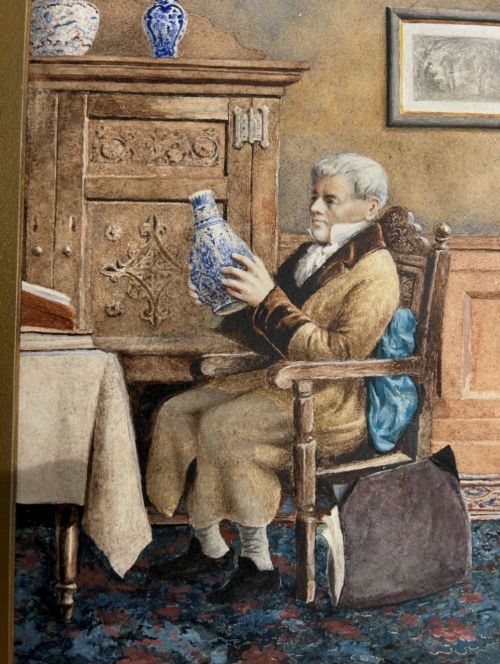
Framed Paper Watercolour Art
Framed paper watercolour art captures fleeting light and domestic scenes on delicate supports, bringing historic pigment and ink directly to your walls.
Framed Paper Watercolour Art
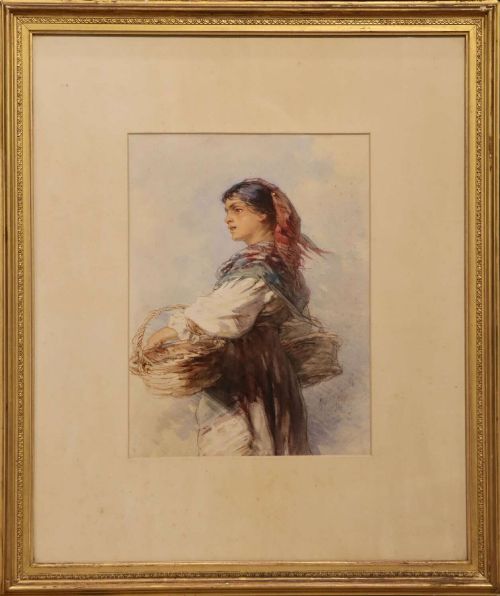
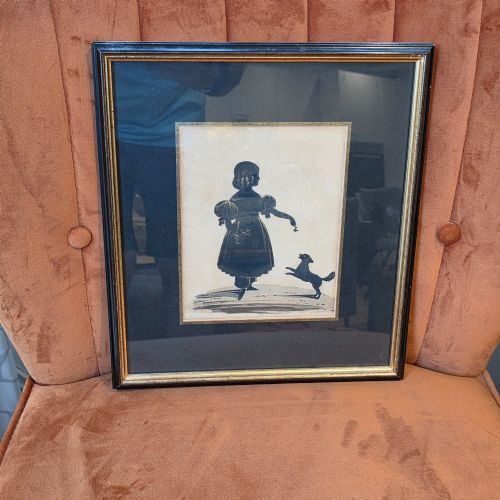
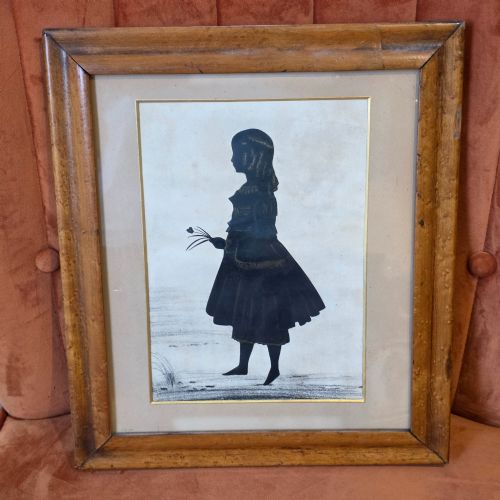
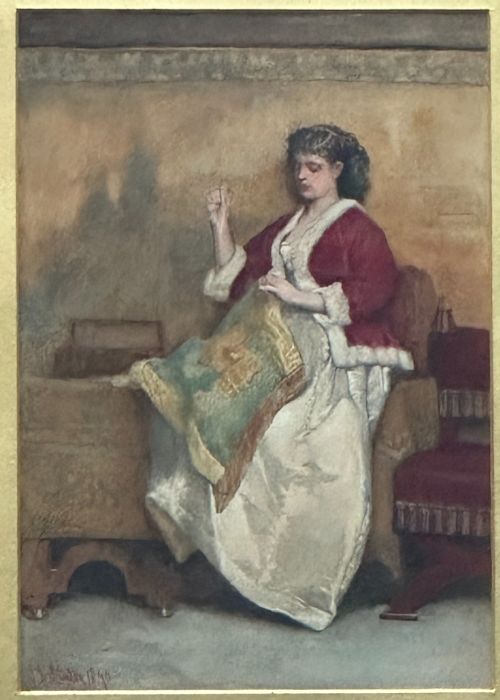
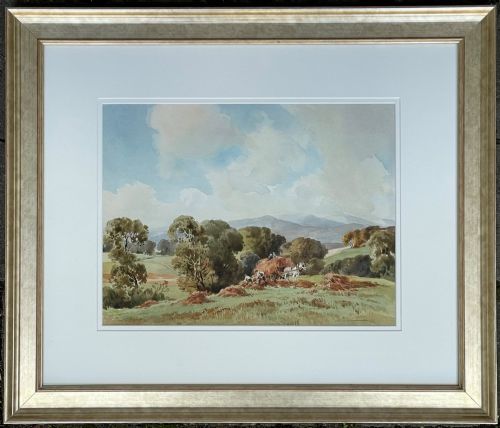
Framed paper watercolour art encompasses works on paper executed in water-based media, spanning portraits, maritime views, and landscapes. Buyers searching for framed paper watercolour art encounter pieces ranging from Regency silhouettes and Victorian coastal scenes to mid-century British landscapes.
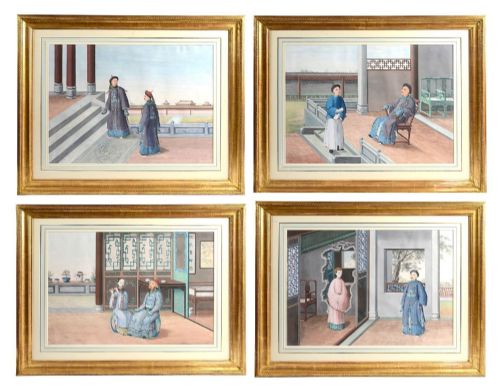
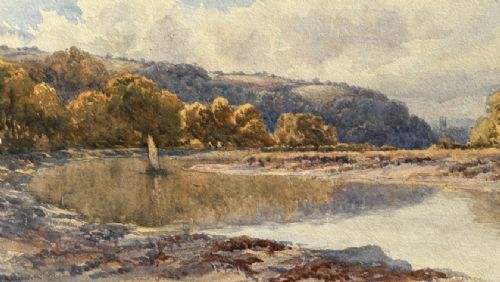
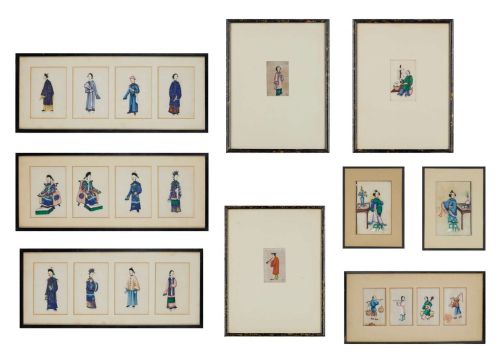
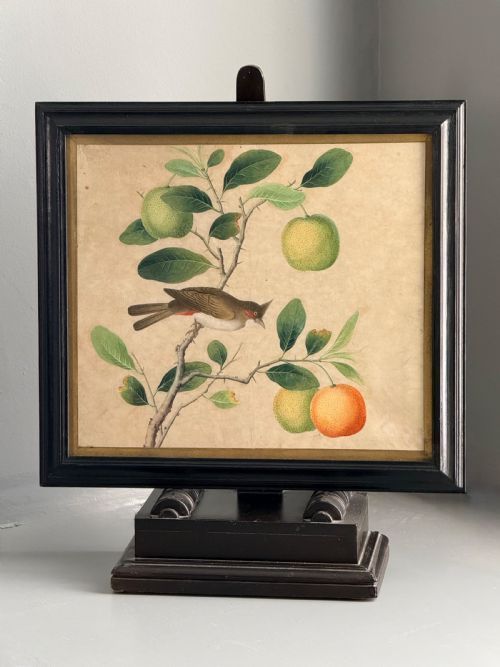
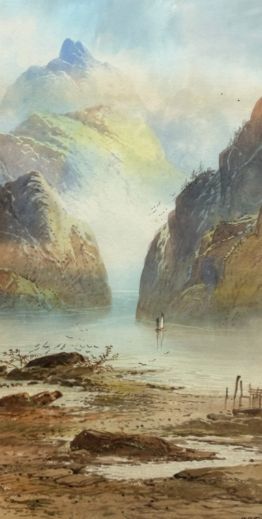
The selections on this page lean heavily towards nineteenth-century and early twentieth-century works, often housed behind glass in period wood frames. These items capture everything from topographical studies of Scottish lochs and Welsh rivers to intimate figure drawings and Chinese export pith paintings.
How They Were Made
Artists applied watercolour pigment, bodycolour, and ink onto paper or pith paper using fine brushes, sometimes combining media with pencil underdrawings or gouache highlights. The delicate nature of paper required protective mounting behind glass to shield the water-soluble pigments from moisture and handling.
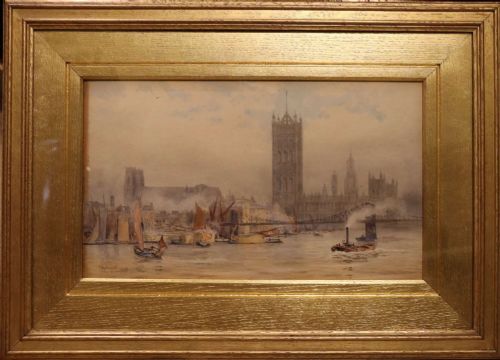
Wood frames completed the construction, enclosing the works with wooden mouldings that frequently reflect the aesthetic tastes of the Georgian, Victorian, or Edwardian eras. Gold leaf accents or simple washes on the wooden profiles added a refined finish to the presentation of the art.
A nineteenth-century artist carefully painted naval warships on fragile pith paper, proving that even a junk can stay afloat in watercolour.
What Varies in Quality
The strength of the composition and the surety of the brushwork set the finer examples apart from standard decorative pieces. Masterful handling of light, shade, and perspective transforms a simple topographical view into a compelling historical document.
The originality of the framing and the preservation of the paper support also dictate the standing of a piece. Works retaining their period wooden surrounds and displaying minimal fading to the watercolour pigments command greater appreciation from collectors.
William James Hubard·James Orrock·William Henry Earp·Sir James Dromgole Linton·Thomas Ellison·Percy Lancaster·Henry Stacy Marks·James Smetham·A. Marie Parsons·John McDougal·Thomas John Horsley·Robert Leslie Howey·William Joseph Boyes·Frank Watson Wood·Henry Silkstone Hopwood·Muriel Metcalfe·Fred Lawson·Frank William Scarbrough·John Smith Atherton·Th. Thibault·Joseph H Barnes·Thomas Maidment·George Rankin·Henry de Waroquier
The Framed Paper Watercolour Art Glossary
- Watercolour
- A painting method in which the paints are made of pigments suspended in a water-based solution. The technique relies on the transparency of washes applied to paper.
- Pith paper
- A delicate material derived from the spongy interior of the Tetrapanax papyrifer plant, used extensively for export paintings in the nineteenth century. It absorbs watercolour and gouache with a distinctive velvety depth.
- Gouache
- An opaque water-based paint that includes a white pigment filler, creating a heavier and more solid appearance than traditional transparent watercolour.
- Wash
- A thin, fluid layer of diluted watercolour pigment applied evenly across paper to create skies, water, or background gradients.
- Cut-paper silhouette
- A portrait created by cutting profiles from dark paper, sometimes enhanced with ink, watercolour, or gold leaf details.
Framed Paper Watercolour Art: Frequently Asked Questions
How should I hang framed watercolour art?
Keep watercolours away from direct sunlight to prevent the pigments from fading over time. Indirect natural light in a dry room preserves the integrity of both the paper and the frame.
Ensure the hanging wire and fixings match the weight of the wood frame and glass. Secure hooks firmly into wall studs or use appropriate wall anchors for safety.
Can I remove the frame from my artwork?
Opening historic frames risks damaging fragile paper supports, acidic mount boards, and original backing materials. Professional framing conservators should handle any necessary reframing or conservation.
Leaving the original framing intact preserves the historical context and physical protection of the piece. Many collectors value the authentic pairing of nineteenth-century artwork with its period wooden housing.
What is the difference between watercolour and gouache?
Watercolour utilises transparent pigments that allow the white of the paper to shine through the washes. This creates luminous effects, particularly in skies and water.
Gouache adds an opaque white element to the paint, resulting in solid, flat areas of colour. Artists often combined both mediums on the same sheet to achieve contrast and highlights.
How do I identify the period of a watercolour?
Examine the style of the mounting, the type of paper stock, and the framing materials. Regency and Victorian works often feature distinct handwritten inscriptions, specific paper watermarks, or characteristic framing profiles.
Subject matter and costume details in figures offer reliable clues to the date of creation. Comparing the technique to documented works by known painters from the same era confirms the timeline.