


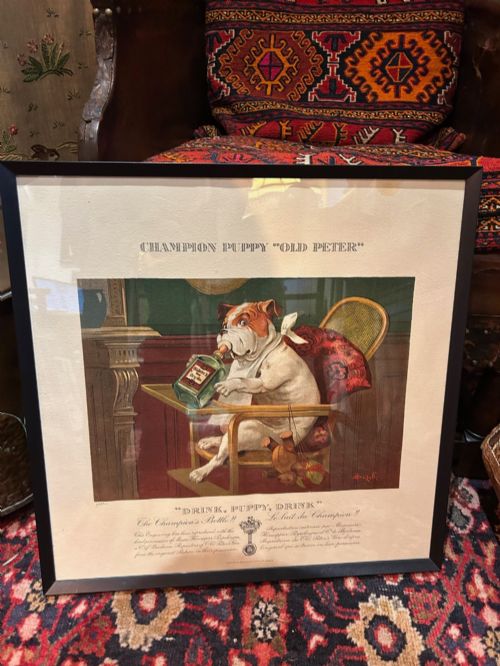
Framed Paper Print Artwork
When you search for framed paper print artwork, you open a window to centuries of historical portraiture, delicate etchings and vibrant posters.
Framed Paper Print Artwork
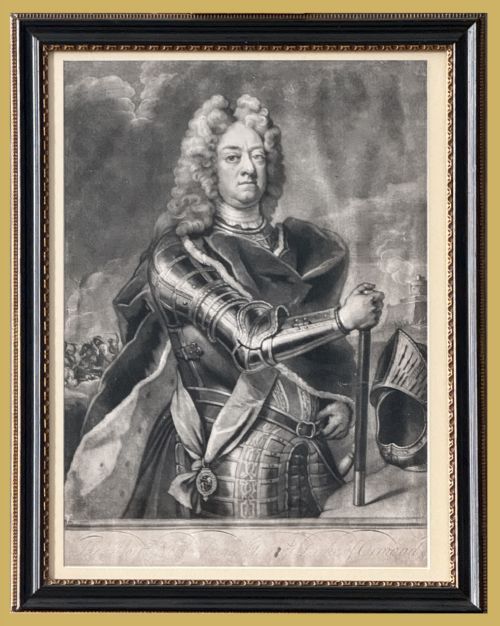
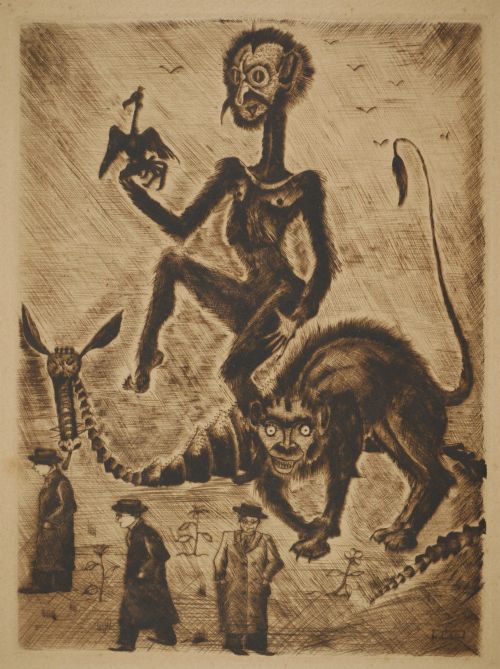
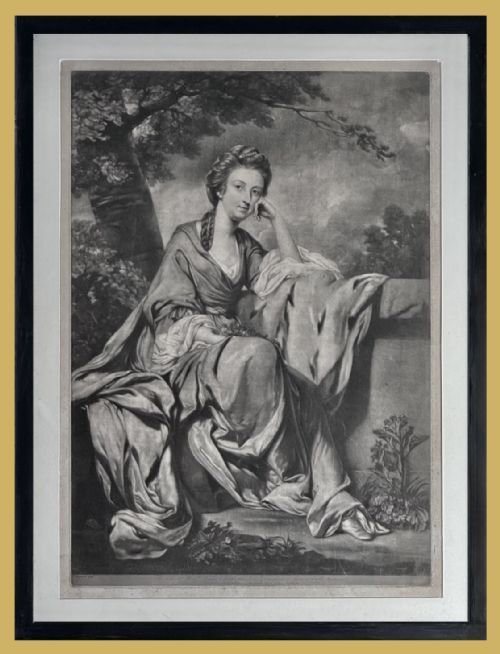
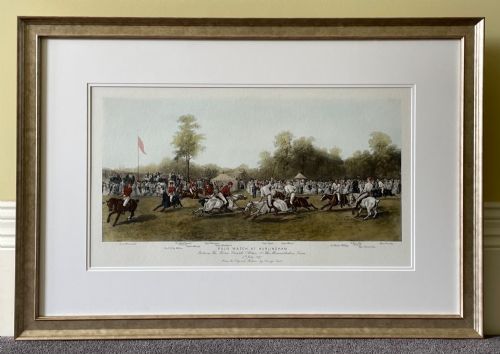
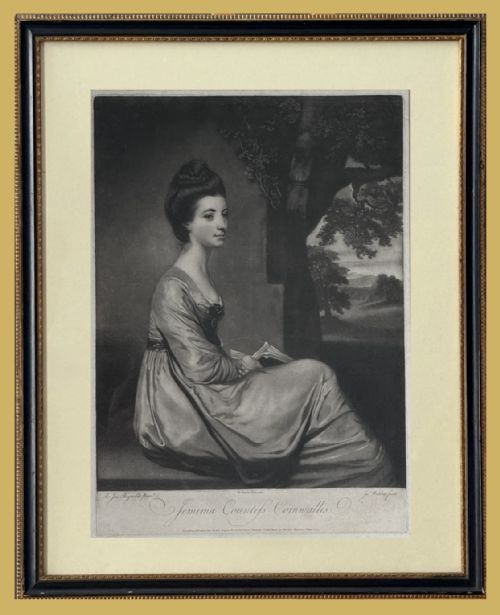
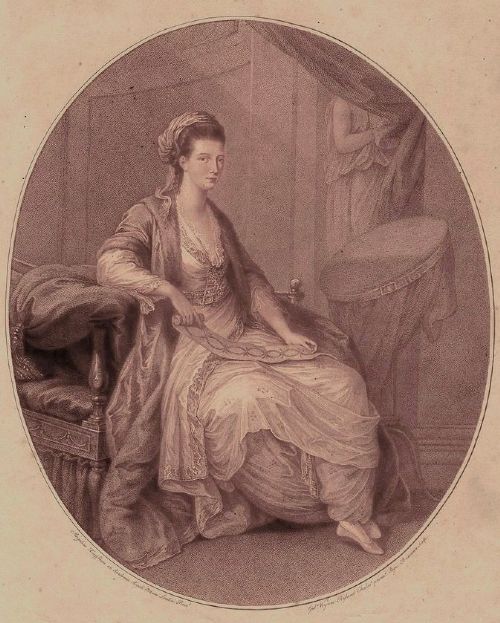
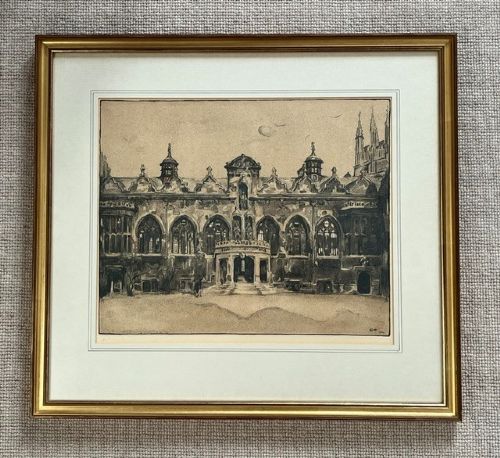
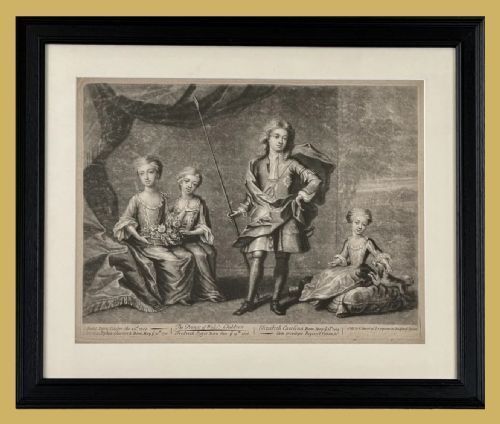
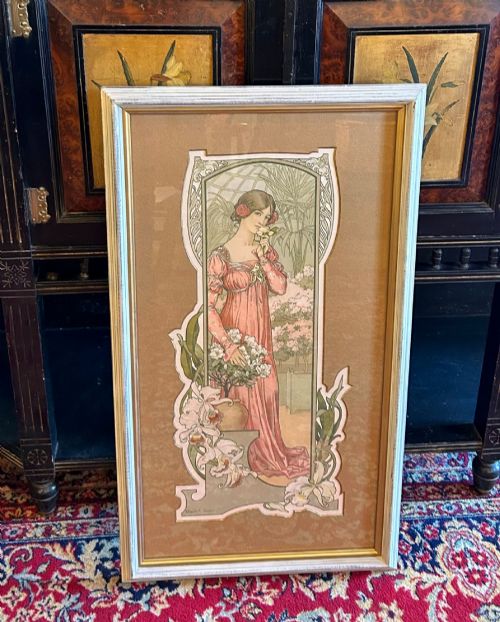
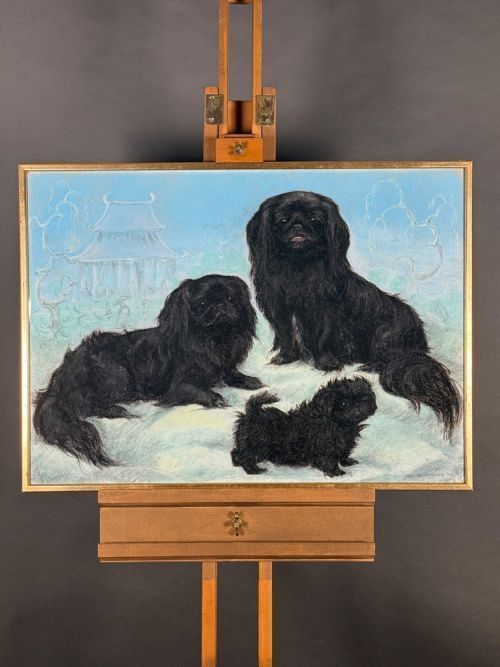
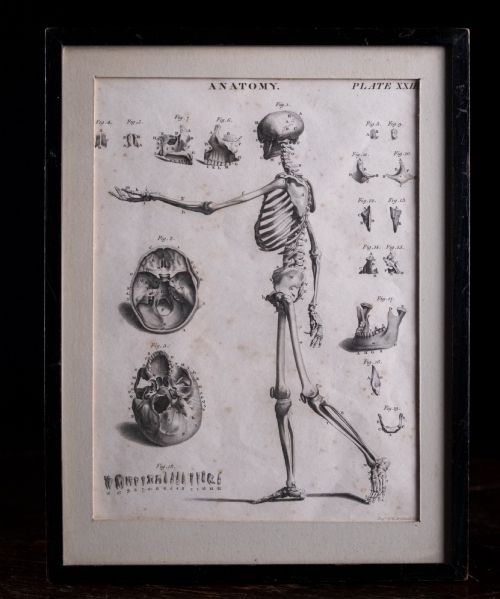
A buyer seeking framed paper print artwork encounters a diverse selection spanning the eighteenth century through the mid-twentieth century, including detailed mezzotint portraits, classical engravings and period lithographs. These works capture subjects ranging from nobility and military leaders to botanical studies, architectural scenes and vintage advertising posters.
The objects frequently appear encased in period housings such as original Hogarth frames alongside standard timber mouldings, protected behind glass. Common formats include single sheets, matched pairs and structured series such as engraved biographical plates.
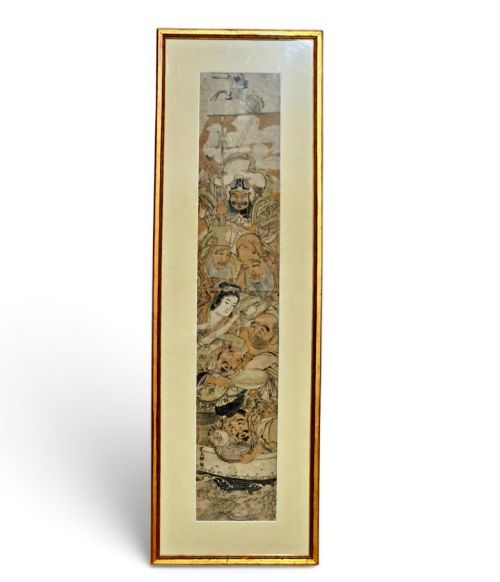
Origins stretch across British, French, Dutch and Japanese traditions, reflecting shifting tastes from Georgian neoclassical delicacy to Art Deco graphic design and mid-century abstraction.
Materials and construction methods
Makers utilised high-grade paper sheets as the primary medium for receiving ink, watercolour, pastel, gouache and pen washes applied through printing, engraving, etching, mezzotint and lithography techniques.
Finished plates were mounted inside timber frames constructed from woods and finished with elements like gold leaf or giltwood, then secured beneath protective glass covers to preserve the fragile paper surfaces.
Listings feature paper artworks dated from the seventeenth century through to mid-century modern pieces, incorporating wood frames, glass and gold leaf.
Quality variations across pieces
Distinction across the range lies in the clarity of the impression and the precision of the plate work, where early strikes reveal sharper contrasts and finer lines than worn later printings.
The integrity of the framing materials also dictates value, with period enclosures like original Hogarth mouldings holding greater historical alignment to the enclosed sheet than modern replacements.
John Simon·Michael Dahl·Edward Fisher·Joshua Reynolds·John Smith·James Watson·Sir William Nicholson·Katsukawa Shunsho·Elisabeth Sonrel·Marc Chagall·Jacobus Houbraken·Herbert Dicksee·Adam Buck
The Framed Paper Print Artwork Glossary
- Mezzotint
- A printmaking process of the intaglio family where the plate is roughened uniformly to produce rich dark tones and subtle tonal gradations. This technique was widely utilised in the eighteenth century for reproducing oil paintings of prominent figures.
- Engraving
- A method of cutting design lines directly into a metal plate with a hardened steel tool called a burr or grauer. The resulting impressions display exceptional crispness and durability under repeated printing.
- Etching
- A technique where lines are bitten into a metal plate using acid rather than direct physical force. Artists prized this method for the freedom of line it afforded, closely mimicking freehand drawing.
- Lithography
- A planographic printing process based on the mutual repulsion of oil and water across a flat stone or metal plate surface. It became the dominant method for colourful posters and fine art prints by the late nineteenth and twentieth centuries.
Framed Paper Print Artwork: Frequently Asked Questions
Are these works original antique printings?
Many listings represent period impressions pulled during the lifetime of the artist or shortly thereafter, utilising traditional intaglio or lithographic methods. Verification relies on examining the paper stock, plate marks and ink penetration.
Later impressions and facsimile reproductions do exist within the broader market, making close inspection of the printing dot patterns and paper ageing essential for accurate dating.
What is the difference between an engraving and an etching?
An engraving is cut directly into a metal plate using a sharp steel tool, producing clean, uniform lines with tapering ends. The physical effort required gives the lines a distinct precision.
An etching uses acid to bite the lines into the metal plate through a protective ground. This allows for flowing, spontaneous strokes that resemble pen and ink drawings.
How do I identify the period of a frame?
Period frames often feature construction details like handmade nails, pegged corners, or specific moulding profiles associated with Georgian, Victorian, or Edwardian aesthetics. Hogarth frames display characteristic stepped profiles with inner gilt slips.
Backboards, old framer paper tapes and historical labels also provide reliable clues regarding the age of the housing relative to the enclosed paper print.