
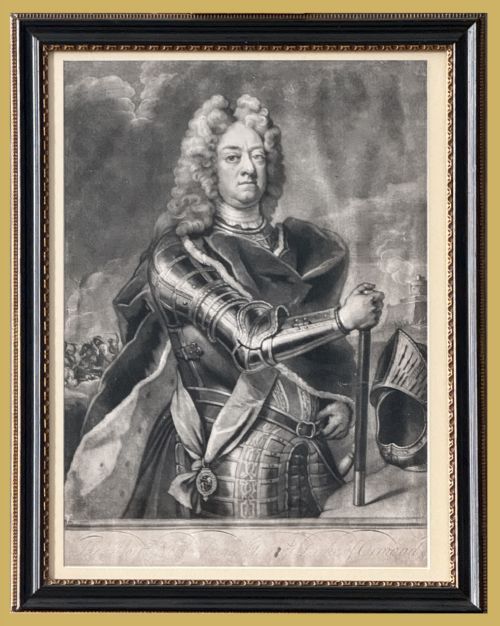
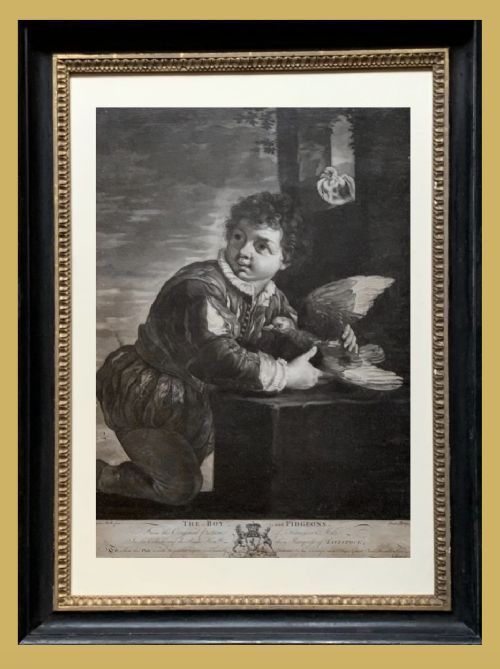
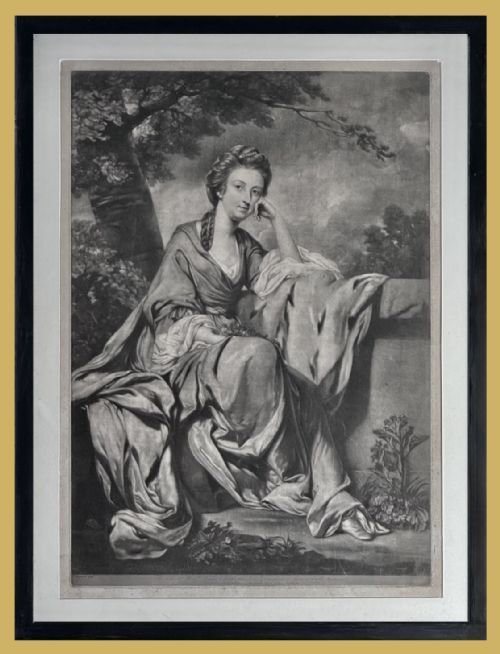
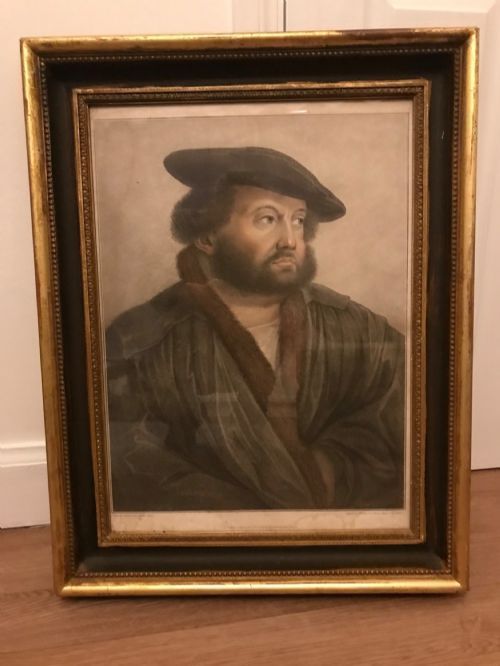
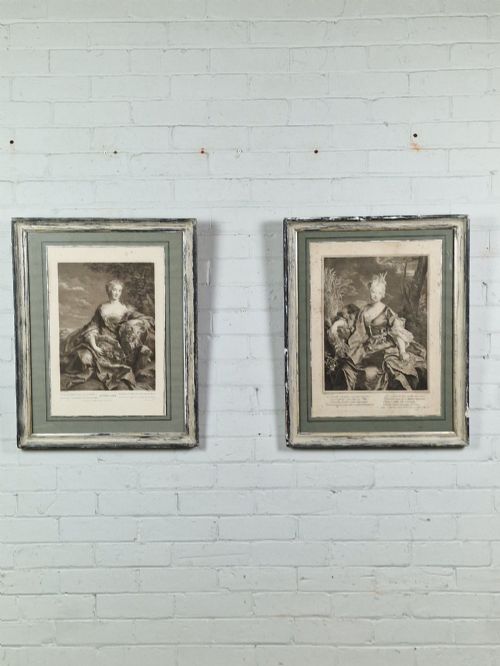


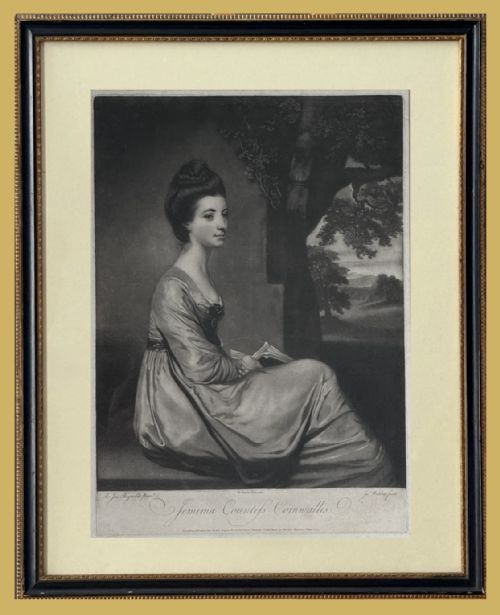
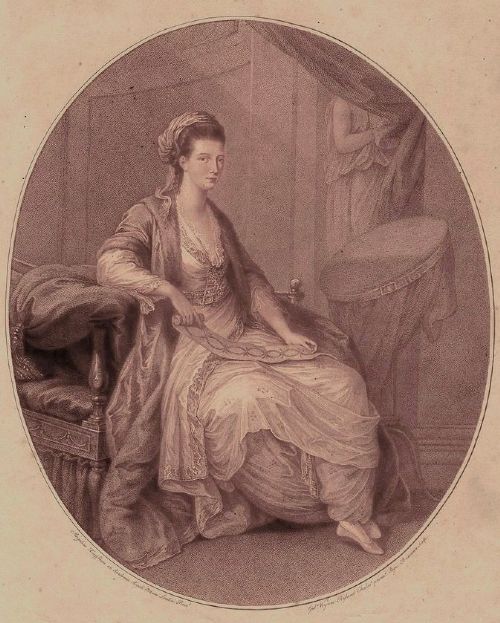
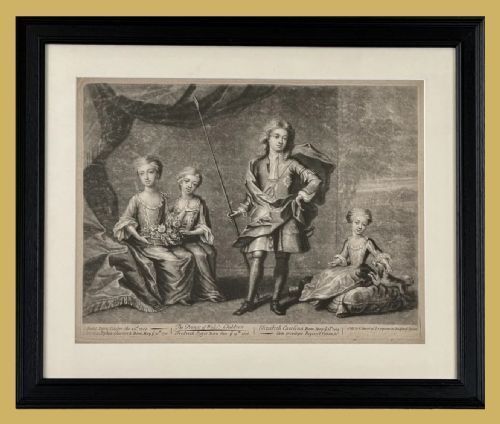
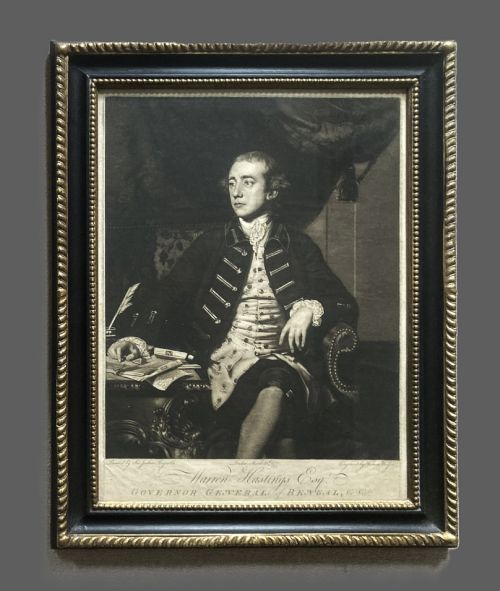
Framed Paper Portrait Print
A framed paper portrait print brings centuries of likenesses into domestic spaces through ink, paper, and timber.
Framed Paper Portrait Print
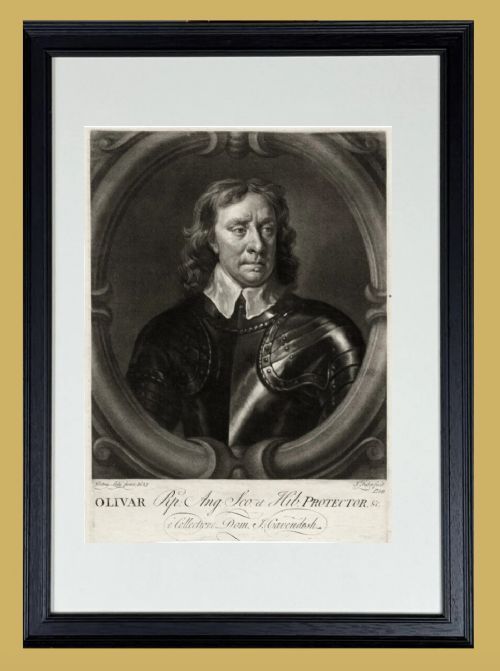
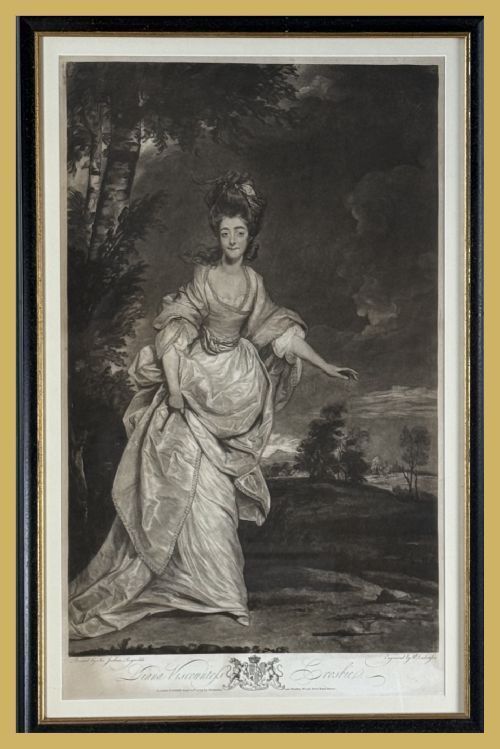
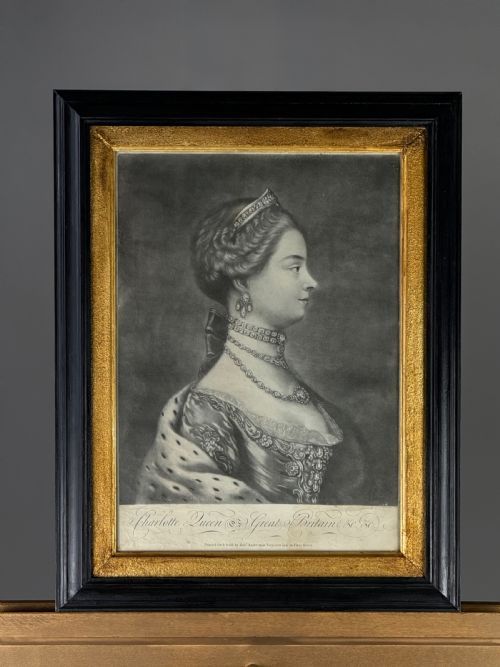
A framed paper portrait print captures historical figures, nobility, and artists through graphic mediums preserved behind protective glass.
The selections available span from seventeenth-century mezzotints and eighteenth-century line engravings to twentieth-century etchings and photographs.
Buyers encounter subjects rendered by notable printmakers after painters such as Sir Joshua Reynolds and Sir Peter Lely, presented in period frames.
Materials and Technique
The primary vehicle is ink applied to paper through techniques including mezzotint, stipple engraving, woodblock printing, and etching, sometimes supplemented with hand-colouring or gouache.
Surviving sheets are housed behind glass within wooden surrounds, frequently featuring gold leaf, gilt, or giltwood finishes that reflect period framing traditions.
The listings incorporate works from the 17th Century, 18th Century, 19th Century, and 1920, utilising paper, ink, wood, and gold leaf.
Distinctions in Execution
Quality rests upon the clarity of the impression transferred from the plate, where early pulls reveal finer tonal gradations and sharper lines than worn subsequent printings.
The integrity of the framing materials, such as genuine period giltwood moulding matching the era of the paper, elevates the complete artefact.
John Simon·John Boydell·Edward Fisher·Francesco Bartolozzi·John Smith·James Watson·Joseph Sympson·W Dickinson·James McArdell·Thomas Watson·Robert Williams·Valentine Green·Jacobus Howbraken·Louis Icart·Sydney Wilson·Julian Mandel·Edward Stodart
The Framed Paper Portrait Print Glossary
- Mezzotint
- A printmaking process of the intaglio family where the plate is roughened to produce dark tones and scraped to produce light ones. This technique allows for rich, velvety darks and subtle tonal transitions.
- Stipple Engraving
- A method of producing prints by means of dots rather than lines. Artists used special needles to punch dots of varying density into the copper plate.
- Line Engraving
- An intaglio printmaking technique where sharp tools cut lines directly into a metal plate. It yields crisp, precise outlines and structured shading.
- Etching
- A process where acid is utilised to cut into unprotected parts of a metal plate to hold the ink. This allows for free, fluid lines resembling direct drawing.
- Woodblock Print
- A relief printing technique where an image is carved into a block of wood, with the raised areas taking the ink. It produces bold outlines and flat planes of colour.
Framed Paper Portrait Print: Frequently Asked Questions
What periods do these prints cover?
The inventory spans from the seventeenth century through the eighteenth and nineteenth centuries into the early decades of the twentieth century.
These eras encompass seventeenth-century mezzotints, Georgian engravings, and later twentieth-century etchings and photographic works.
How should I display them safely?
Paper works require protection from direct sunlight to prevent the fading of ink and discoloration of the paper support.
Keeping them away from damp environments ensures both the paper and the wooden or gilt frames remain stable.
What framing styles accompany the works?
Pieces are commonly housed in wooden frames featuring gold leaf, gilt, or giltwood finishes appropriate to their period.
These surrounds range from Baroque and French Rococo styles to Victorian and Art Deco mouldings.