
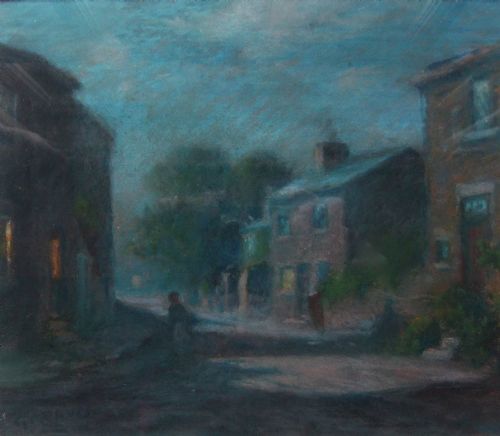


Framed Paper Pastel Drawing
A framed paper pastel drawing brings colour and immediate presence to a room through dry pigment laid directly onto paper.
Framed Paper Pastel Drawing
A framed paper pastel drawing consists of pigment applied to a paper support, enclosed behind glass in a protective wooden or giltwood frame. When you search for this phrase, you encounter diverse visual forms ranging from traditional portrait paintings to animal studies and landscapes.
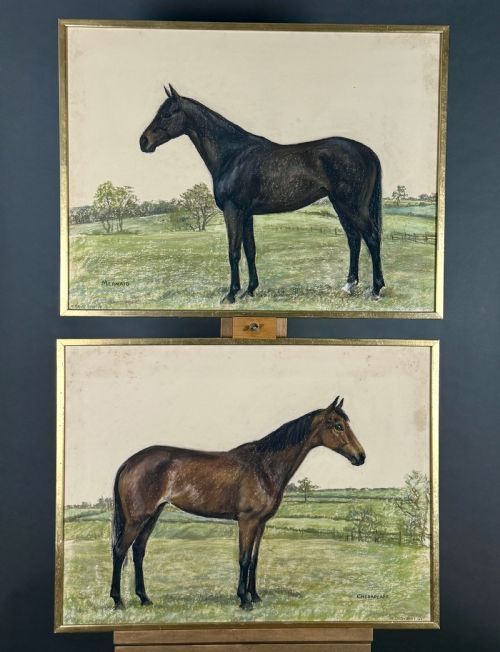
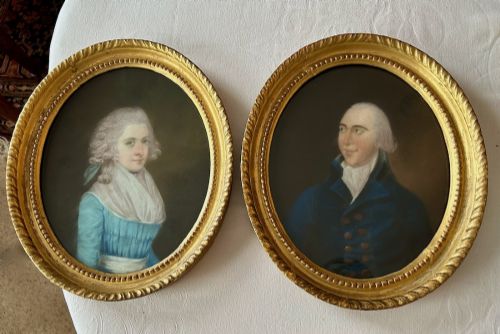
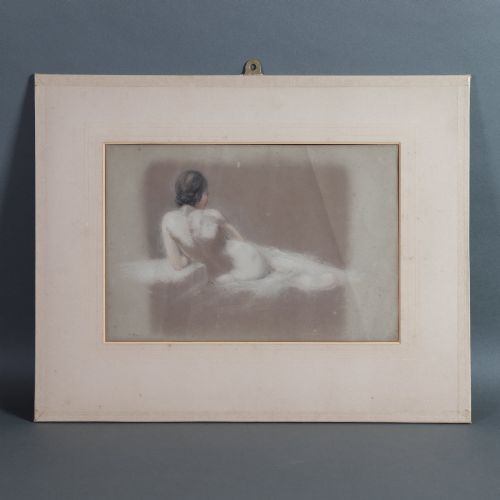
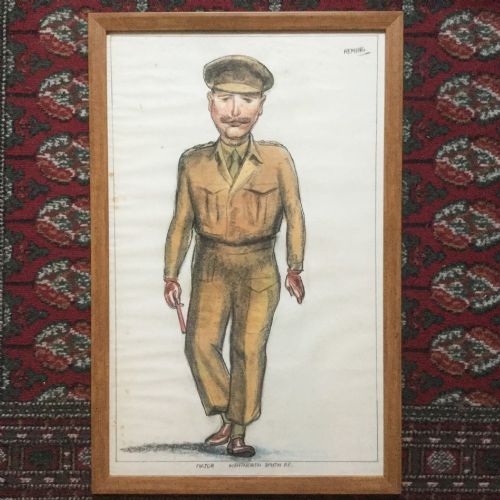
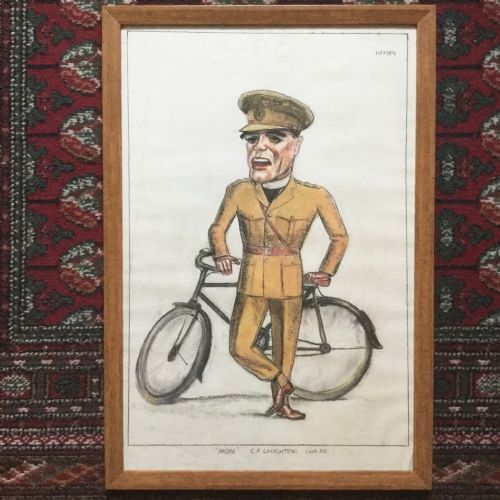
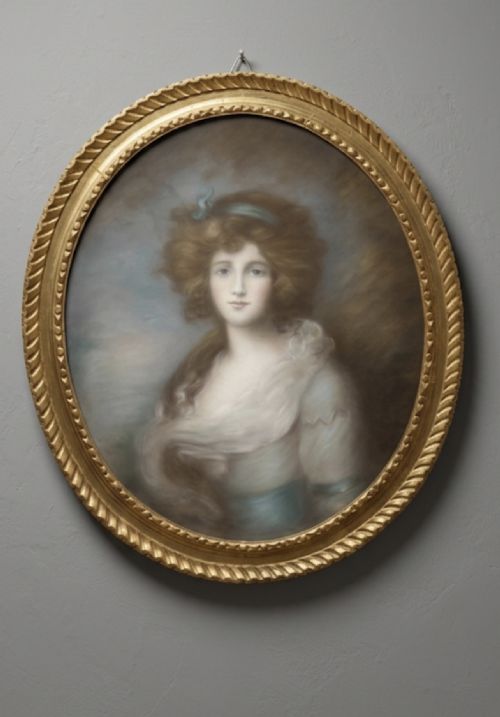
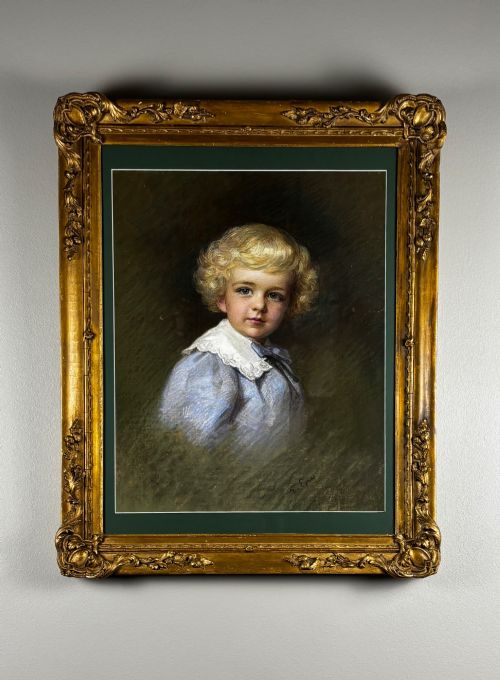
The pieces on this page span several centuries, starting from the eighteenth century through the Victorian era into twentieth-century movements like Modern British and Mid-Century Modern. Portraiture dominates the selection, alongside equestrian studies, landscapes, and still life compositions.
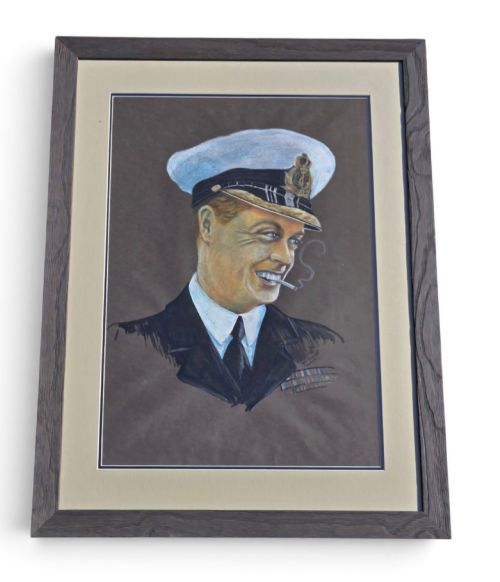
You meet works created by named artists as well as pieces originating from the English School and other regional traditions. The subjects include military officers, society figures, animals, and atmospheric cityscapes.
Materials and technique
Artists utilise soft pastel sticks composed of pure powdered pigment and a binder, sometimes supplemented with chalk or charcoal for underlying structure and definition. These dry mediums are rubbed, blended, and layered directly onto the paper surface to achieve tonal depth and texture.
Many works combine pastel with gouache, watercolour, or lithograph elements to vary the surface finish and introduce wash effects. Because pastel remains friable and vulnerable to smudging, framing behind glass with a suitable mount is essential for the long-term preservation of the drawing.
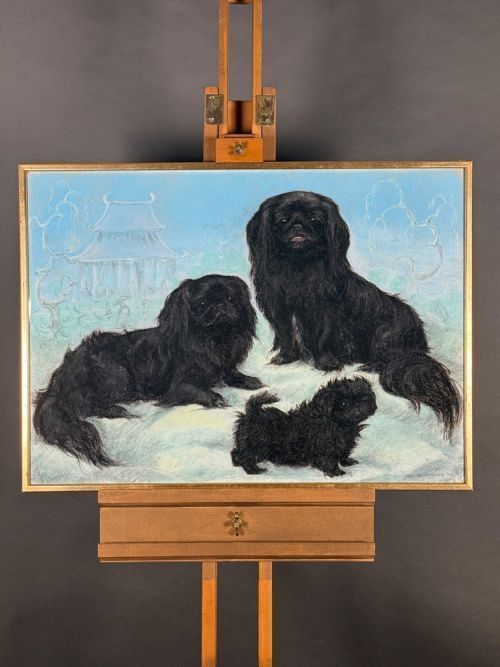
Several dogs gaze out from these centuries of art, including a trio of Pekingese and a nursery poodle named John.
Separating the ordinary from the exceptional
The distinction in quality rests upon the draughtsmanship and the artist's command of light and form within the dry medium. A superior drawing captures anatomy, expression, or atmosphere with economy and precision rather than relying on heavy blending.
The integrity of the paper support and the condition of the pigment layers influence the standing of a piece. Works that retain their original framing and show minimal pigment loss or fading command greater appreciation among collectors.
William Etty·Frank Dobson·Samuel Rabin·John Rattenbury Skeaping·John Hobson Nicholson·Aubrey Sykes·John Macallan Swan·Sonia Lawson·John Parry
The Framed Paper Pastel Drawing Glossary
- Pastel
- A dry painting medium consisting of powdered pigment combined with a binder and shaped into sticks. It allows for immediate colour application and velvety textural effects.
- Giltwood
- Wood carved and covered with a thin layer of gold leaf or gilt gesso. This material is frequently found on period frames enclosing nineteenth and eighteenth-century works.
- Gouache
- An opaque water-based paint used by artists to add highlights or solid areas of colour alongside pastel work. It provides a dense matte finish.
- Charcoal
- Burnished wood used to lay down dark preliminary lines and tonal shadows before or during the application of pastel pigment. It underpins the structure of many historical drawings.
- Equestrian study
- An artwork depicting horses, often shown with riders or in motion. This subject appears frequently across the historical and mid-century selections.
Framed Paper Pastel Drawing: Frequently Asked Questions
How should I hang a pastel drawing?
Hang your framed paper pastel drawing away from direct sunlight to prevent the pigments from fading over time. Ensure the wall is free from dampness to protect both the paper and the frame.
Keep the artwork at eye level where it can be viewed closely without handling. The glass front protects the delicate dry medium from ambient dust and accidental contact.
How do I identify eighteenth-century pastels?
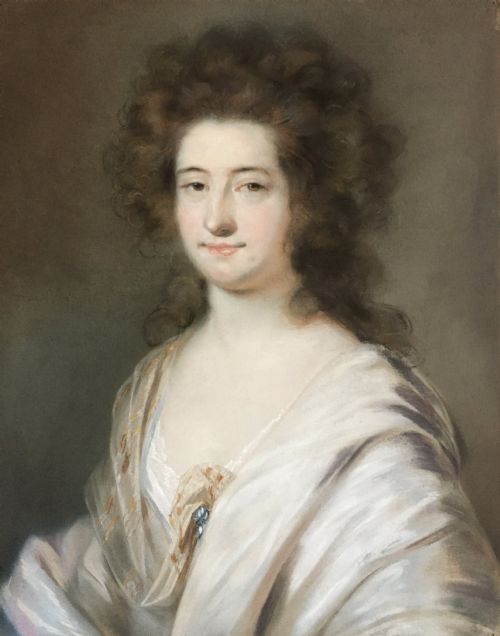
Eighteenth-century works often feature laid paper with visible chain lines and watermarks, combined with characteristic portrait subjects in formal attire. The handling of the chalk and pastel tends to focus on soft, powdered flesh tones and powdered wigs.
Original period frames constructed from carved giltwood frequently accompany these earlier pieces. Examining the reverse of the frame often reveals historic papers, labels, or construction methods distinct to the period.
What is a mixed media pastel?
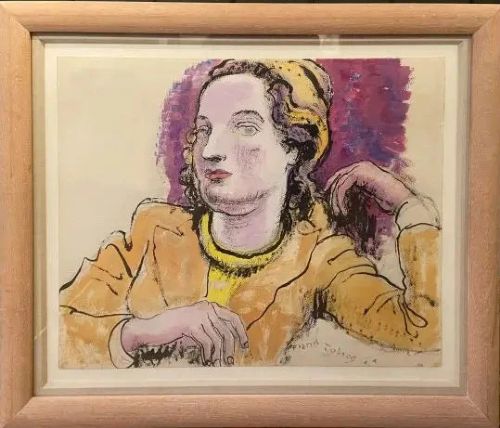
A mixed media pastel combines dry pigment sticks with other mediums such as watercolour, gouache, ink, or charcoal on the same sheet. Artists use this approach to build up complex backgrounds or introduce fluid washes beneath the pastel layers.
This technique broadens the tonal range and textural contrast within a single artwork. You will find examples ranging from wartime portrait sketches to abstract compositions utilising this layered method.