


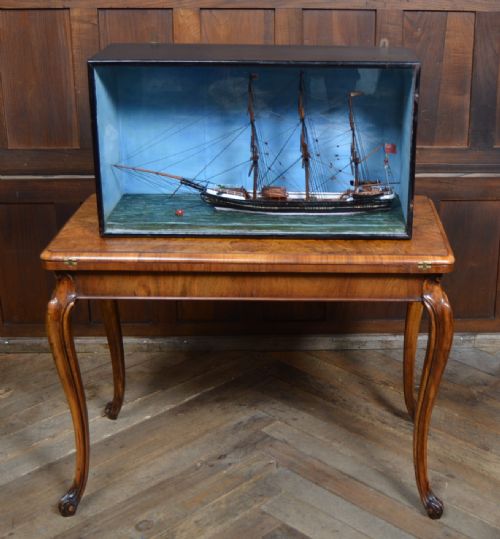


Framed Nautical Diorama
A framed nautical diorama brings the historical sea straight to your wall, capturing detailed sailing vessels trapped in miniature oceanic worlds.
Framed Nautical Diorama
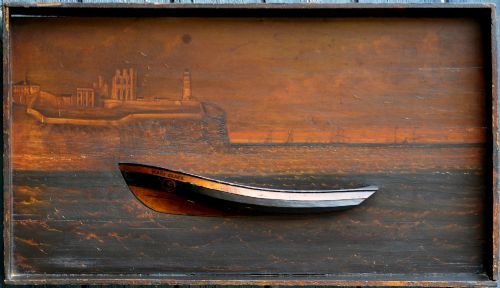
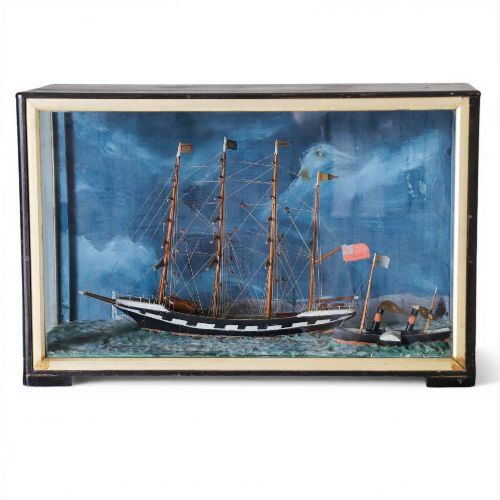
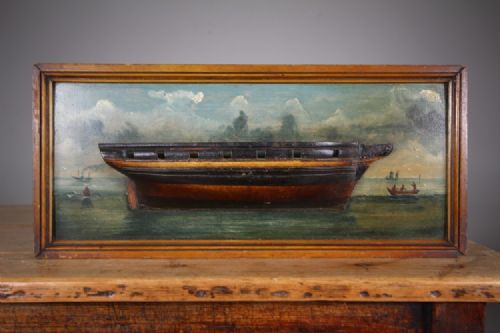
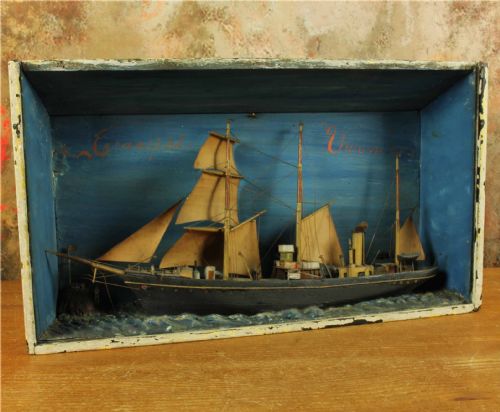
When you search for a framed nautical diorama, you encounter three-dimensional maritime scenes housed within protective wooden boxes or shadow boxes. These pieces portray historic sailing vessels, including clippers, four-masted sailing ships, and steam barges, rendered in miniature.
The selections on this page span the Victorian period into the early twentieth century, reflecting British and English folk art traditions. You will find regional examples such as Cornish pieces and French handmade boat models.
These works function primarily as wall art or maritime shadow boxes, combining hand-painted seascapes with carved or constructed model ships. They offer a tangible connection to nineteenth-century maritime history through domestic craftsmanship.
How They Were Made
Maker construction relies heavily on wood, canvas, fabric, and paper to build the hull, rigging, and surrounding waves of each ship model. Scratch-built models often incorporate meticulous detailing, utilising plaster and paint to create textured seascapes.
Makers enclose these elements behind glass within wooden shadow boxes to protect the delicate internal components. Some examples integrate specialised materials like straw work or shell decorations into the folk art presentation.
One remarkably dedicated maker chose to build an entire maritime world out of ordinary straw work.
What Varies in Quality
Distinction in these works rests upon the depth of the diorama box and the complexity of the ship model within. Scratch-built vessels with detailed rigging demonstrate greater maker skill than simpler constructions.
The execution of the painted backdrop significantly influences the visual power of the piece, particularly where turneresque seascapes or nuanced oil paint are employed. Material variation, such as the inclusion of intricate straw work or shell work, also elevates the individual piece.
The Framed Nautical Diorama Glossary
- Shadow Box Diorama
- A deep, glazed frame enclosing a three-dimensional scene. This format protects the internal model ship from dust and damage.
- Maritime Folk Art
- Decorative objects created by self-taught or community makers with nautical themes. These pieces prioritize expressive character over strict naval architecture.
- Scratch-Built Model
- A miniature vessel constructed entirely from raw materials without commercial kits. Makers build these hulls and spars using basic wood and thread.
- Turneresque Seascape
- A painted background reflecting the dramatic, atmospheric style associated with J. M. W. Turner. Such backdrops give the enclosed ship a sense of movement and weather.
- Automaton
- A mechanical object containing moving parts driven by clockwork or weights. Certain nineteenth-century maritime boxes incorporate these mechanisms to animate the waves or ships.
Framed Nautical Diorama: Frequently Asked Questions
What is a framed nautical diorama?
A framed nautical diorama is a three-dimensional maritime scene housed inside a wooden shadow box behind glass. It depicts a model ship set against a painted or constructed seascape.
These pieces combine miniature shipbuilding with fine art backdrops to create a self-contained window onto the historic sea.
How were these dioramas displayed originally?
These boxes were primarily designed to hang on walls as domestic wall art or to sit upon mantelpieces in coastal homes. The protective glass casing shielded the delicate rigging and paper components from sea air and domestic soot.
Sailors and coastal residents often kept them as tributes to specific named vessels or as general mementos of maritime life.
How do I date a nautical diorama?
Dating relies on the materials, construction methods, and stylistic cues present in the box and ship model. Victorian examples often display distinct folk art painting styles and specific framing techniques associated with the nineteenth century.
Reference to named ships, such as the Glynllifon or Queen Anne, can also help anchor the piece to a specific historical period.
Are these ship models made from kits?
The pieces seen here are predominantly scratch-built or handmade folk art rather than commercial kit builds. Makers constructed the hulls, sails, and rigging by hand using available materials like wood, fabric, and paper.
This individual craftsmanship means no two dioramas share the exact same construction details or proportions.
How should I care for a framed diorama?
Keep the piece away from direct sunlight to prevent the fading of painted canvas backgrounds, paper elements, and fabric sails. Maintain a stable indoor humidity level to protect the old wood and delicate internal adhesives.
Clean only the exterior glass gently with a soft cloth, avoiding any moisture near the seams of the old frame.