


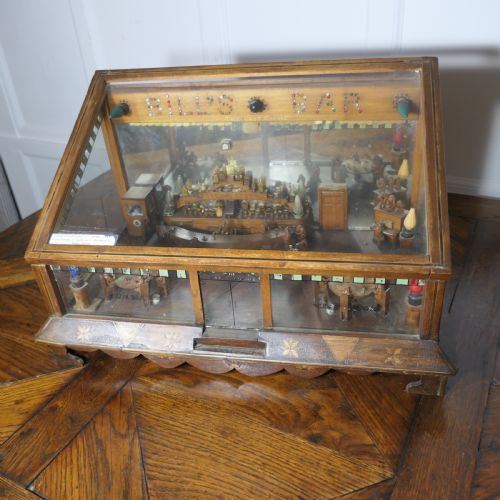
Antique Shadow Box Diorama
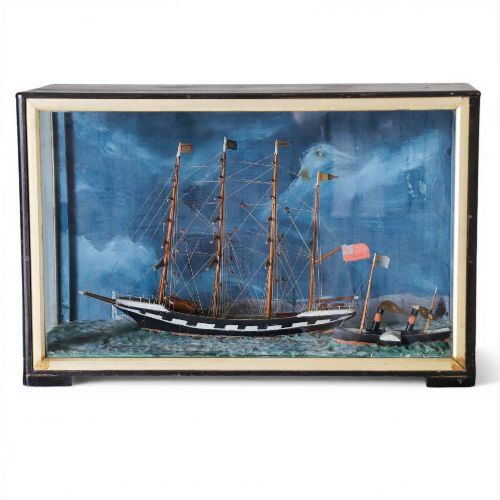
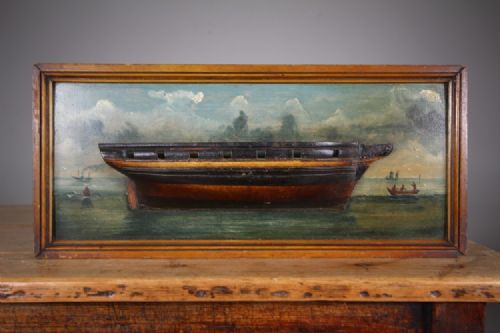
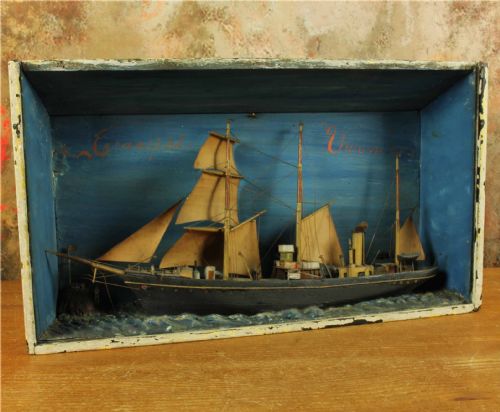
These antique shadow box diorama examples capture three-dimensional scenes behind glass, offering a glimpse into maritime craftsmanship and folk art history.
Antique Shadow Box Diorama
An antique shadow box diorama houses a detailed three-dimensional scene enclosed within a protective glazed frame or wooden box. These pieces emerge across the eighteenth, nineteenth, and early twentieth centuries, reflecting diverse subjects from naval battles to quiet domestic streetscapes.
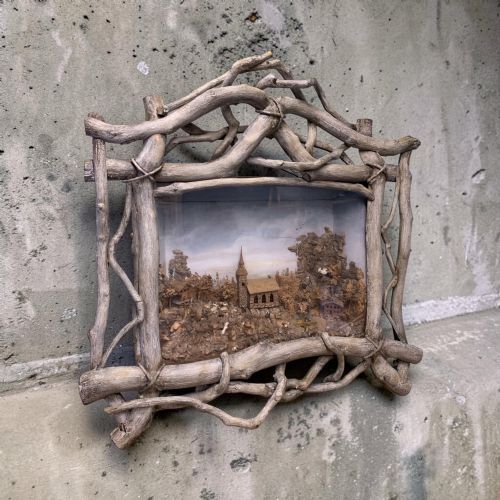
Maritime subjects dominate the selection, showing sailing ships, four-masted vessels, and clippers navigating painted seas. Alongside nautical models, collectors encounter devotional displays, taxidermy snow scenes, and folk art townscapes.
Makers often constructed these works as folk art expressions, capturing specific vessels like the Glynllifon or regional scenes from English, French, and Welsh workshops.
Materials and construction methods
Wood and glass form the primary housing for these displays, protecting delicate internal components from dust and damage. Frames range from simple timber boxes to twig frames and specialised glazed cabinetry.
Internal elements combine painted canvas backgrounds with carved or constructed models made from cork, straw work, paper, plaster, and fabric. Artists utilised oil paint to render convincing seascapes and atmospheric backdrops behind the models.
Some nineteenth-century makers utilised discarded straw and scrap cork to build elaborate naval fleets.
Distinctions in quality
Execution of the internal model dictates the upper tier of quality, seen in scratch-built ship rigging and detailed architectural elements. Fine examples integrate delicate materials like straw work, cork, or Nevers glass figures with precise spatial depth.
The complexity of the enclosed scene also separates standard pieces from exceptional ones, particularly when makers incorporate automaton movements or clockwork mechanisms into the display.
The Antique Shadow Box Diorama Glossary
- Shadow box
- A deep, glazed wooden frame designed to enclose and display three-dimensional objects protected from the elements. This housing allows small models and delicate materials to remain intact over centuries.
- Diorama
- A three-dimensional miniature scene featuring modelled figures or objects set against a painted background. These installations create an illusion of depth within a confined space.
- Folk art
- Artistic work created by untrained or traditional artisans using accessible local materials. Such pieces reflect community traditions rather than formal academic training.
- Nevers glass
- Lampworked glass figures produced in the French town of Nevers, often found in devotional shadow boxes. These small glass components require specialised skill to shape and colour.
- Automaton
- A self-operating machine or mechanism designed to follow a predetermined motion, sometimes integrated into historical dioramas. These mechanical additions bring movement to the static scene.
Antique Shadow Box Diorama: Frequently Asked Questions
How do I hang a shadow box diorama?
Most shadow box dioramas are relatively heavy due to the glass and wooden framing, requiring secure wall fixings rather than standard picture hooks.
Ensure the hanging wire or brackets attached to the wooden frame are structurally sound before mounting the piece.
Where were these dioramas made?
Production locations span across England, France, Wales, and Eastern Europe, often tied to coastal towns or seafaring communities.
Maritime examples frequently originated in port areas where sailors and local craftsmen built ship models during long voyages or retirement.
What subjects appear in these dioramas?
Sailing ships and maritime scenes form the most common subject matter, including clippers, racing vessels, and steam barges.
Other examples depict devotional subjects, taxidermy animals in snow scenes, industrial furnaces, and townscapes.
How should I clean the glass?
Clean the exterior glass gently using a standard glass cleaner applied to a cloth rather than sprayed directly onto the frame. This prevents moisture from seeping past old seals and damaging the delicate paper, paint, or cork inside.
Are these pieces fragile?
The enclosed nature protects internal components from handling, but vibration or sudden impacts can dislodge delicate rigging, cork work, or paper elements. Stability depends largely on the original construction and subsequent handling.