

Framed Modern Painting
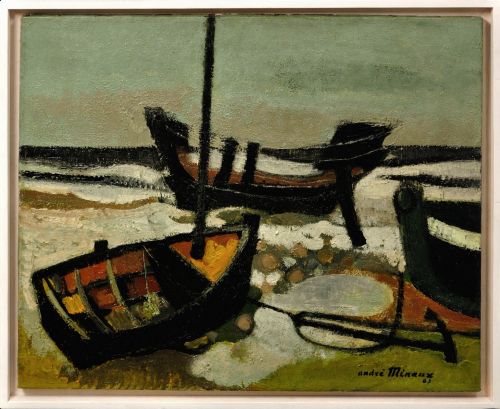
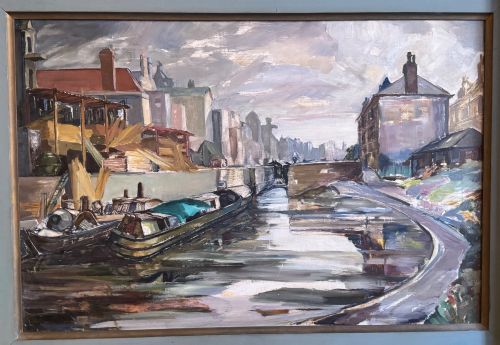
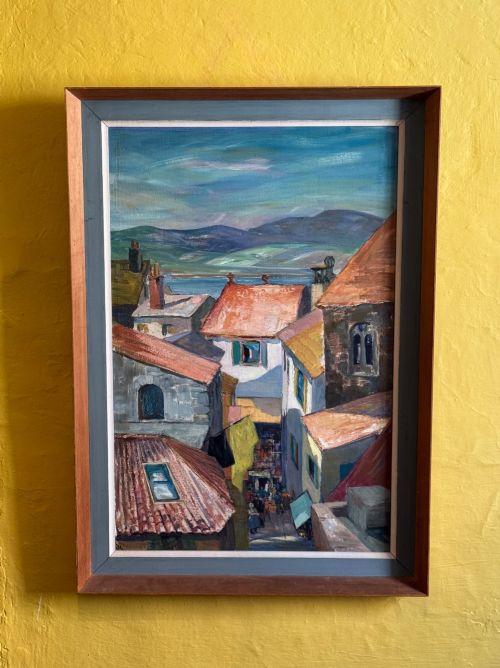
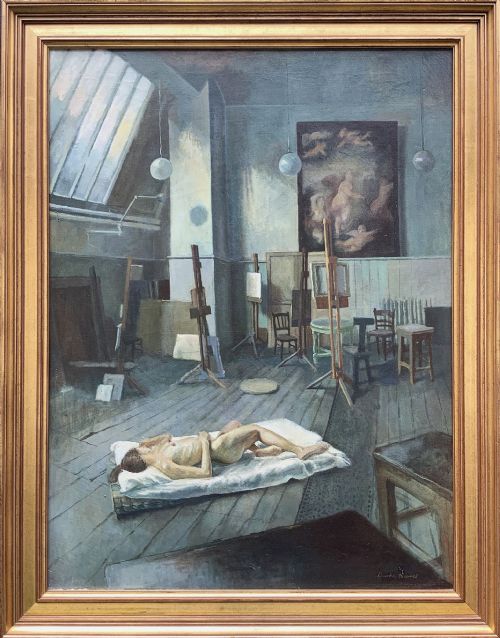
A framed modern painting brings together mid-century experimentation and period surrounds, offering a direct window into twentieth-century artistic shifts.
Framed Modern Painting
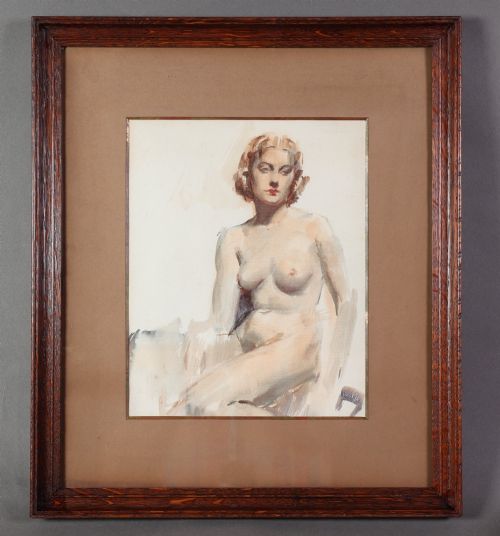
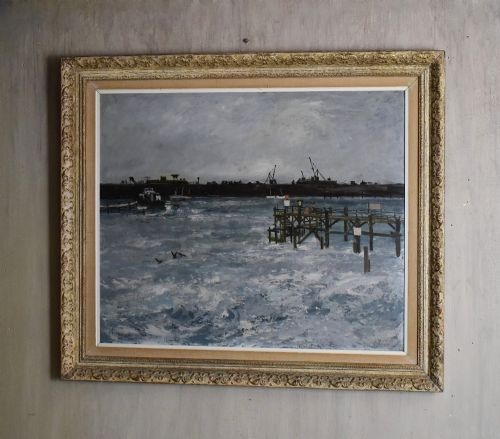
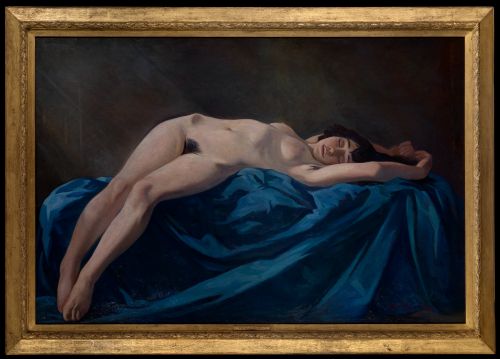
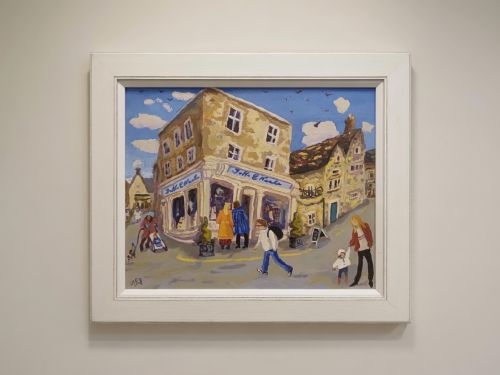
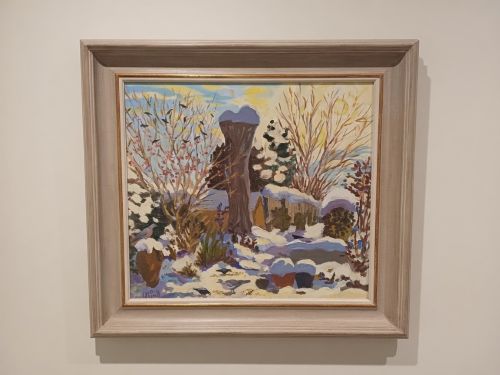
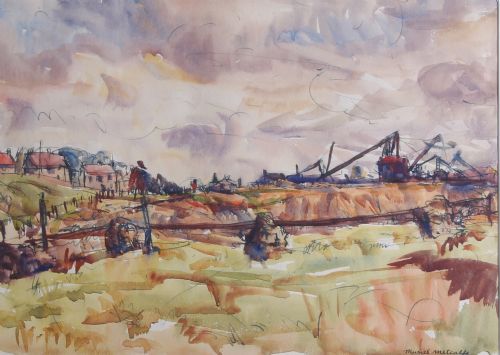
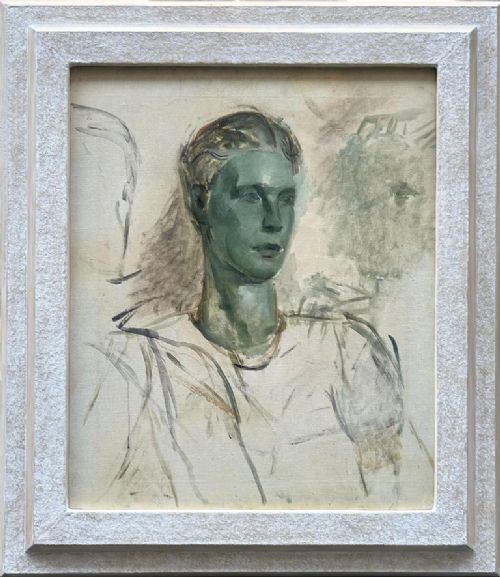
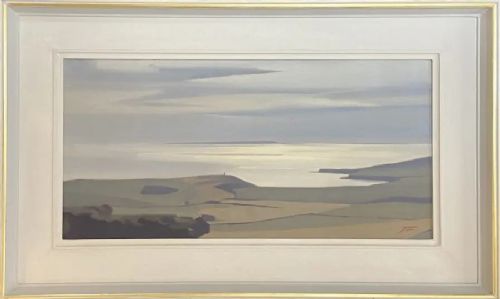
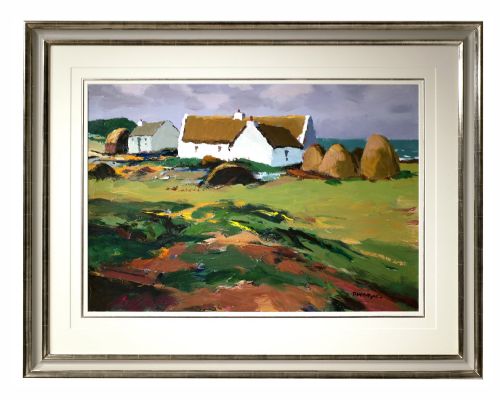
When searching for a framed modern painting, buyers encounter works spanning the early twentieth century through to the later decades of the nineteen-sixties. The selection encompasses diverse stylistic movements including Modern British, Mid-Century Modernism, and Post-Impressionist approaches.
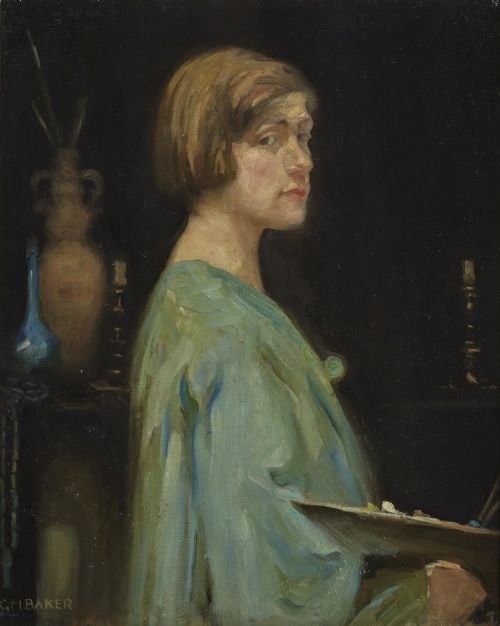
The physical objects range from intimate watercolours on paper to substantial oil paintings on canvas and wood panel. Landscapes, portraits, cityscapes, and still life compositions form the predominant subjects encountered across these decades.
Materials and construction
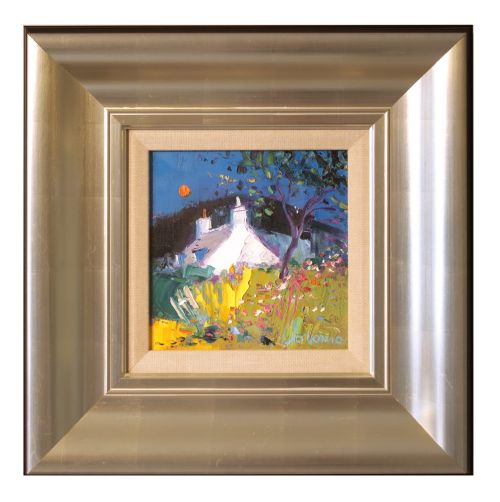
Artists utilised oil paint and watercolour applied to canvas, paper, wood panels, and card support. Impasto technique often builds thick texture onto the surface, visible in landscape and portrait works from the mid-century period.
Protective framing completes the presentation, incorporating wood and glass elements that secure the painted surface. These contemporary or period surrounds isolate the artwork while maintaining structural integrity for wall mounting.
Framed Modern Painting Retail Price Guide 2026
Typical asking prices for framed modern painting among the pieces listed under this phrase on Sellingantiques today, from the lower quarter to the upper quarter. They describe what is for sale here now, not the wider market.
Current listings feature works created across eight distinct decades, spanning from nineteen-ten through to the modern era.
Distinctions in execution
The strength of composition and surety of brushwork separate individual works within the range. Expressive handling of pigment and balance of tone reveal the confidence of the hand behind the canvas.
Preservation of the original paint surface and the sympathetic pairing of the frame with the artwork influence the overall integrity of the piece.
Robert Morson Hughes·Eric Robertson·Muriel Metcalfe·Lucy Pratt·Mark Ingram·Peter Brannan·Frank Dobson·James Fry·James Stroudley·Oilver Messel·Gladys Marguerite Baker·Eric Brown·Peter Newcombe·Christine Nesbit·John Lowrie Morrison·Donald McIntyre·Philippe de Rougemont·Stuart Walton·Ronald Ossory Dunlop·Hubert Wellington·John Rattenbury Skeaping·Joan Gillchrest·Tony Giles·Dame Elisabeth Frink·Denis Mitchell
The Framed Modern Painting Glossary
- Oil paint
- A slow-drying paint made by combining pigment particles with a drying oil such as linseed. This medium allows for rich colour saturation and textured impasto effects.
- Watercolour
- A painting method where water-soluble pigments are suspended in a water-based solution. It is commonly applied to paper supports to create translucent washes of colour.
- Impasto
- The process of laying paint onto a canvas in very thick layers. This technique causes the paint to stand out distinctly from the surface, catching light and adding physical depth.
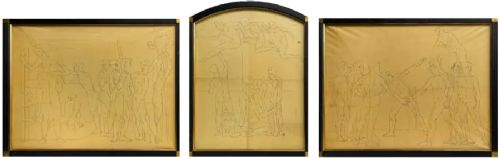
- Triptych
- A work of art divided into three sections or panels. These three painted parts are typically hinged or displayed together as a single unified composition.
- Canvas
- A heavy woven fabric utilised as a surface for oil and acrylic painting. It is typically stretched tightly across a wooden wooden frame before work begins.
Framed Modern Painting: Frequently Asked Questions
How do I date a framed modern painting?
Dating relies upon stylistic markers, artist signatures, framing methods, and recorded exhibition histories from the early to late twentieth century.
Examining the backboards, canvas weaves, and inscriptions often yields specific year dates or narrows the period of creation.
Where should I hang a framed modern painting?
These works suit spaces with stable ambient temperatures away from direct sunlight to protect delicate watercolours and oil pigments.
Providing adequate wall space allows the composition and frame to be viewed without visual competition from surrounding furnishings.
Are oil paintings on board different from canvas?
Rigid boards provide a firm, unyielding surface for the paint application, whereas canvas offers slight flexibility across the stretcher bars.
Both supports were widely used by twentieth-century artists depending on the desired texture and portability of the work.
How do I care for a mid-century painting?
Maintenance involves gentle dust removal from the glass and frame using a dry, soft cloth while avoiding moisture on exposed paint.
Keeping the piece away from extreme humidity fluctuations prevents warping of wooden panels and degradation of the canvas support.