

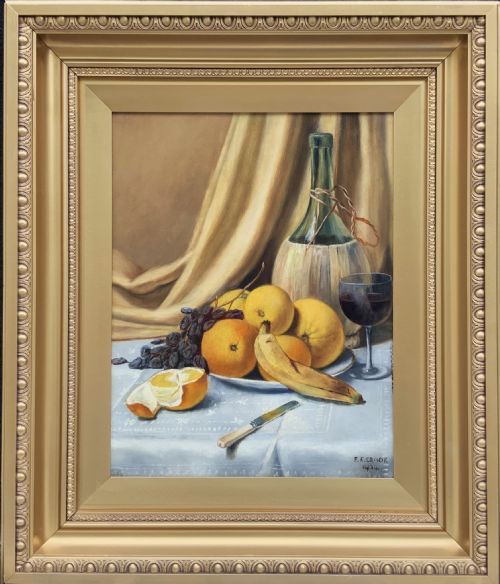


Yellow Still Life Painting
A yellow still life painting brings warmth and a concentrated focus of light into a room through studies of blooms and domestic objects.
Yellow Still Life Painting
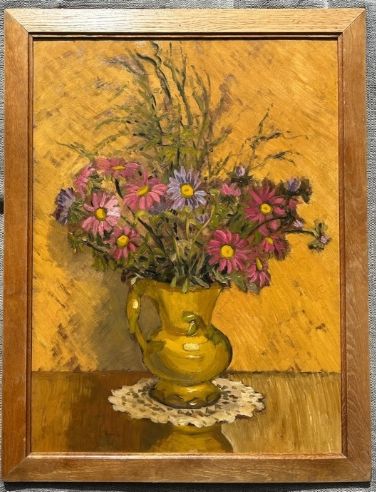
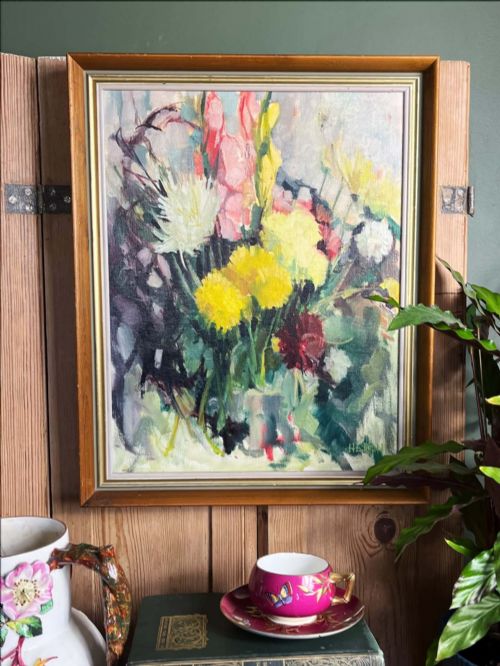
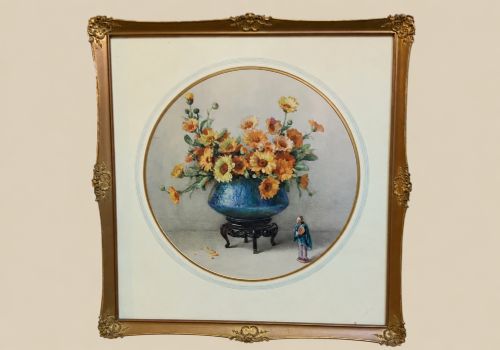
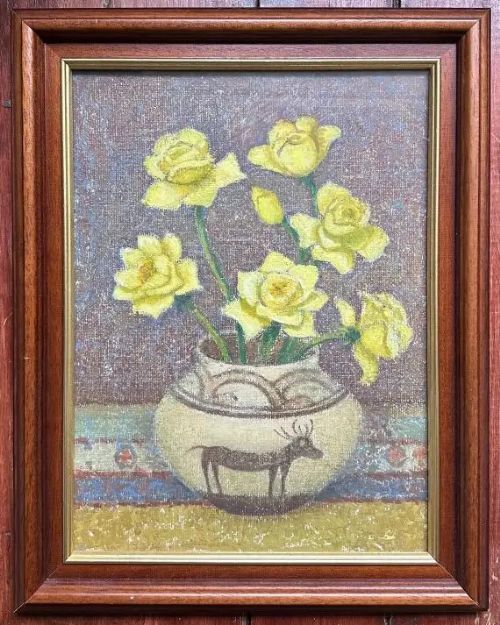
When you search for yellow still life painting, you encounter compositions spanning from the Victorian era through the mid-twentieth century. The selection leans heavily toward mid-century interpretations on canvas or board alongside traditional nineteenth-century watercolours.
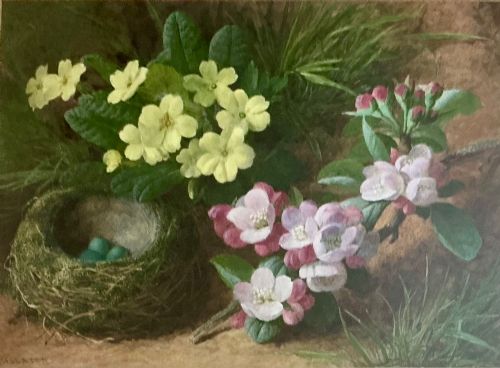
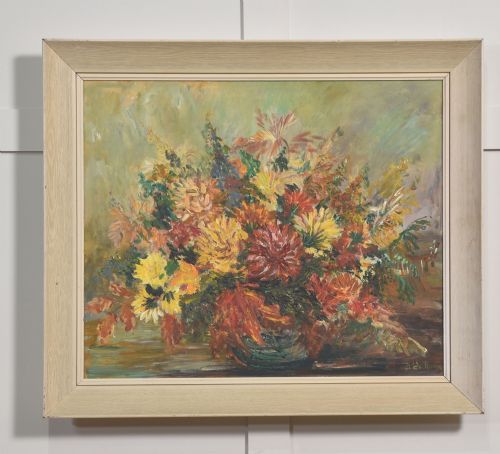
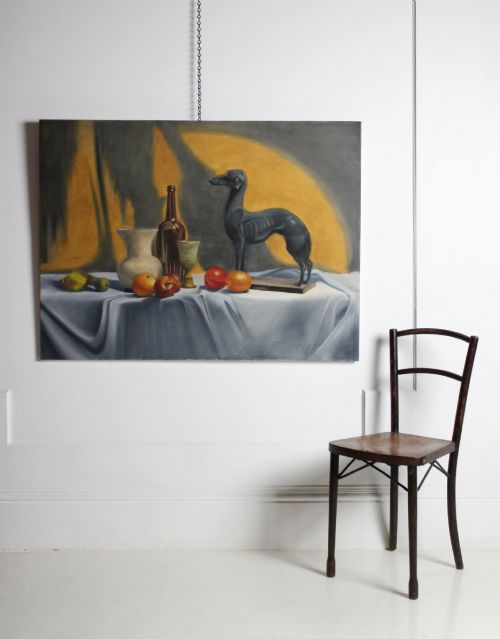
The subjects range from simple vases of chrysanthemums, roses, and wallflowers to complex arrangements incorporating fruit and household ceramics. Most pieces capture domestic interiors, gardens, or studio setups rendered by British and European artists.
Materials and technique
Artists utilised oil paint on canvas, board, and occasionally metal to build rich textures and deep tones. Waterpaint on paper remains common for lighter, more delicate botanical studies.
Supports often include traditional stretched canvas or primed board, housed in wood and gilt frames that complement the painted light.
Yellow Still Life Painting Retail Price Guide 2026
Typical asking prices for yellow still life painting among the pieces listed under this phrase on Sellingantiques today, from the lower quarter to the upper quarter. They describe what is for sale here now, not the wider market.
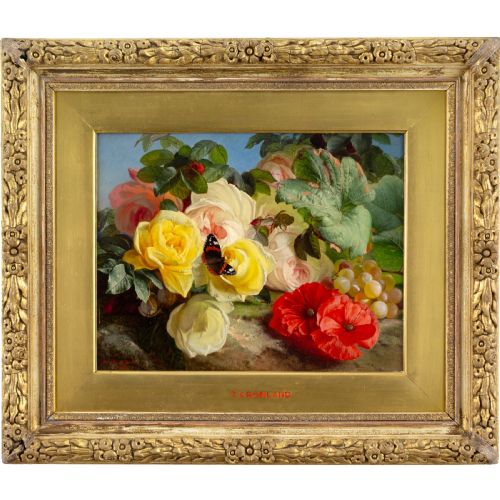
Several artists could not resist adding a stray butterfly or a hidden bird's nest right beside the yellow roses.
Distinctions in execution
Quality rests upon the artist's handling of tone and the structure of the composition, where confident brushwork separates accomplished studies from routine decorative pieces.
The preservation of the pigment, the stability of the canvas or paper support, and the integrity of the original frame all influence the overall standing of an artwork.
Theude Grönland·Emma Fordyce MacRae·Sir Matthew Smith·John Robertson Reid·Ernest Higgins Rigg
The Yellow Still Life Painting Glossary
- Impasto
- Paint applied thickly to a canvas or board, creating a textured surface that stands proud of the support and catches the light. This technique is frequently observed in mid-century floral works.
- Gilt
- A thin layer of gold leaf applied to wooden frames. It adds a reflective border that frames the darker tones of oil paintings.
- Provenance
- The documented history of ownership attached to a piece. Clear attribution helps establish the origin of unsigned or signed works alike.
- Colourist
- An artist whose primary focus is the manipulation of colour relationships rather than strict realism. These painters often employ vibrant palettes to build mood.
Yellow Still Life Painting: Frequently Asked Questions
What periods do these paintings cover?
The selections span from the Victorian period up through the 1960s. You will find nineteenth-century watercolours alongside Edwardian oils and mid-century impressionist canvases.
This broad timeline means subjects range from formal academic floral arrangements to looser, more abstracted modern interpretations.
Are most of these works framed?
Many examples retain their original wood or gilt frames, which vary from ornate Victorian mouldings to simpler mid-century profiles.
Checking the listing details confirms whether a piece is sold ready to hang in a period frame or unframed.
What mediums are typically used?
Oil paint and watercolour dominate the selection, applied to canvas, heavy paper, board, or metal supports. Oil pieces often feature heavier textures and impasto work.
Watercolours provide a lighter, more transparent finish, frequently employed for delicate botanical studies.
How do I choose the right size?
Dimensions vary from intimate cabinet watercolours to large canvas displays suited for primary wall spaces. Measuring your intended room placement helps narrow down the scale.
Consider the visual weight of the frame alongside the canvas dimensions when planning where to hang the artwork.