

Framed Military Officer Portrait
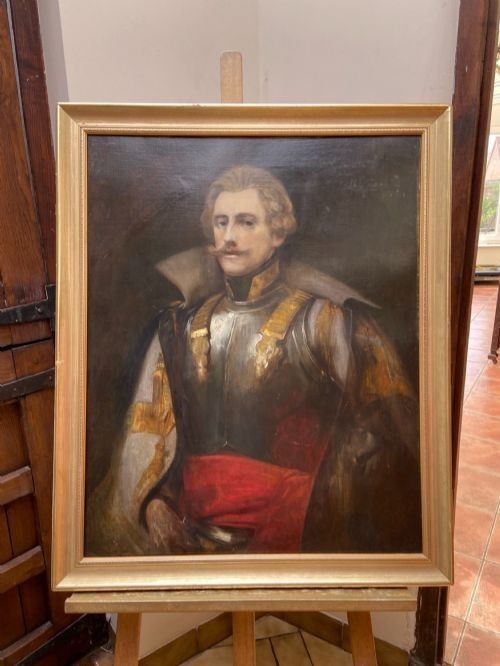
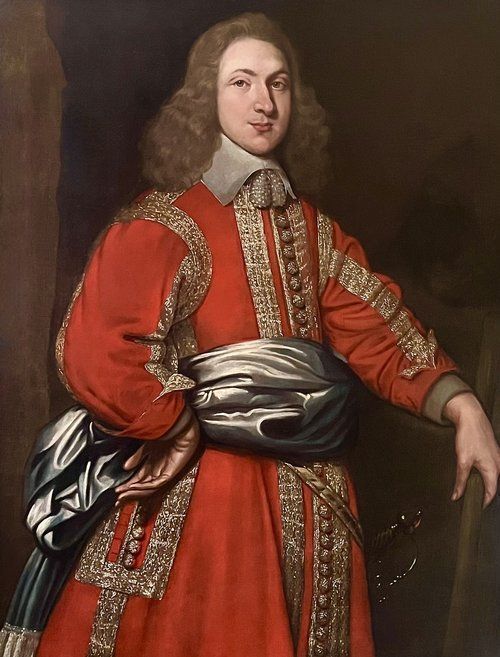
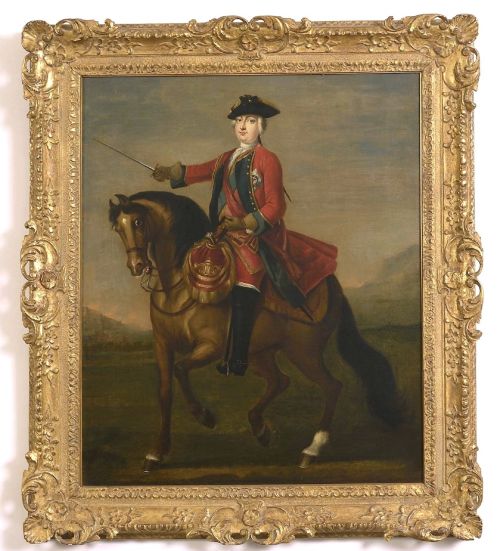
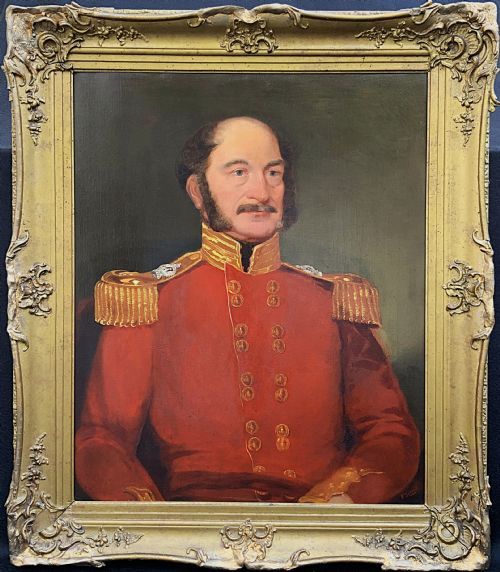
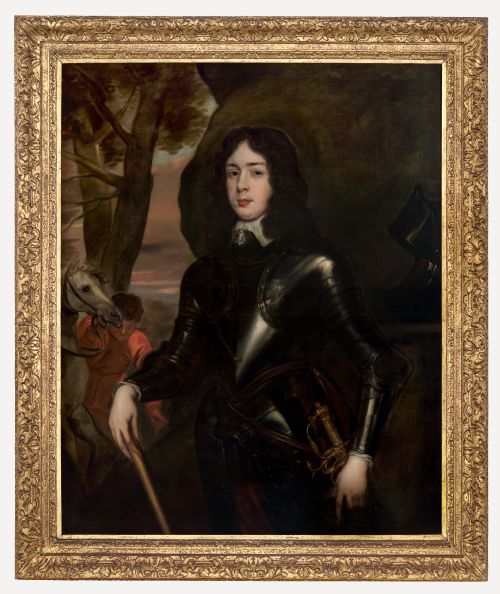
A framed military officer portrait captures the likeness of a historic commander, offering an immediate window into centuries of uniform, rank and service.
Framed Military Officer Portrait
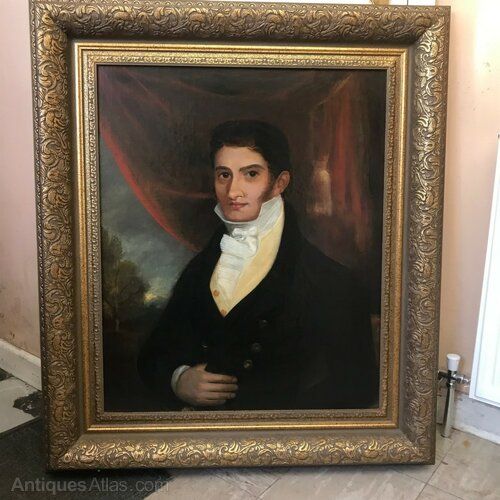
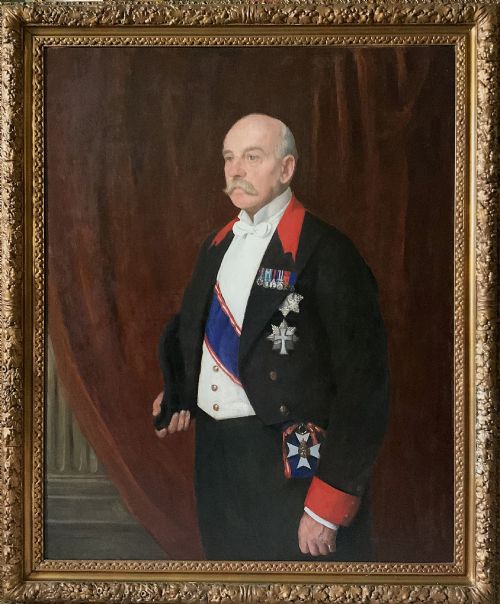
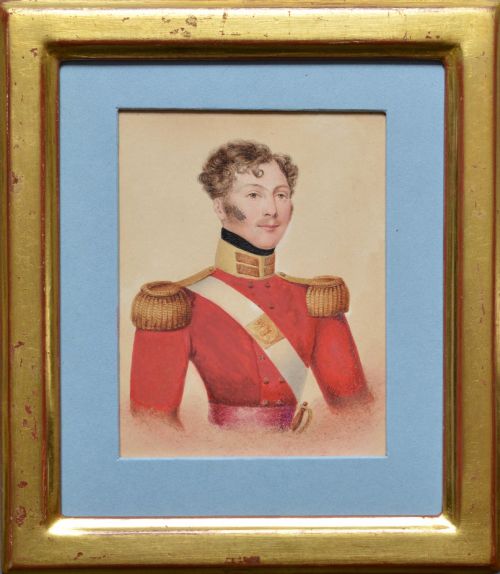
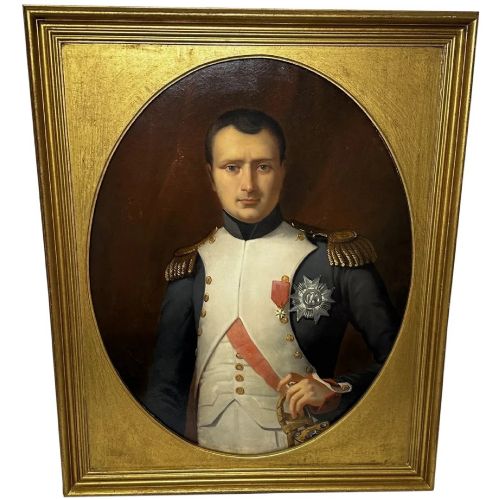
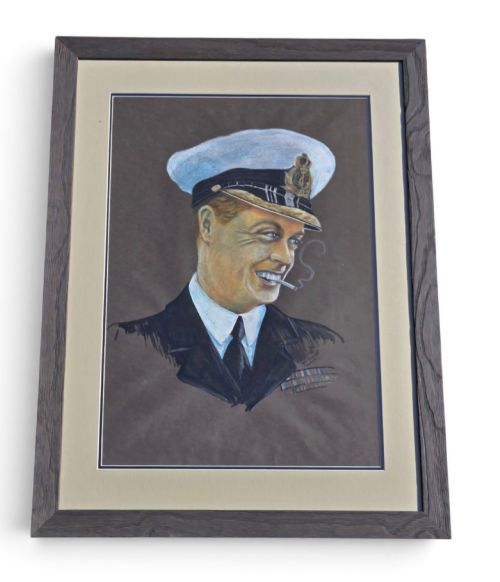
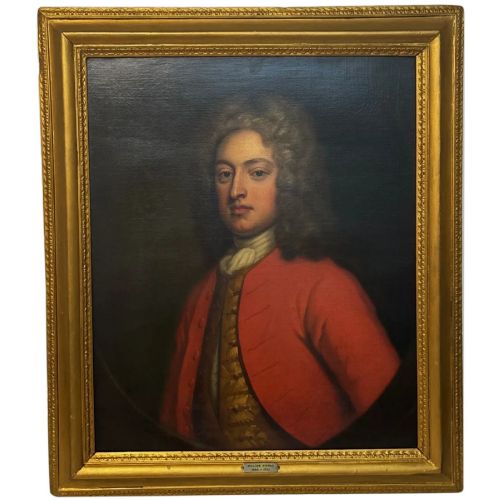
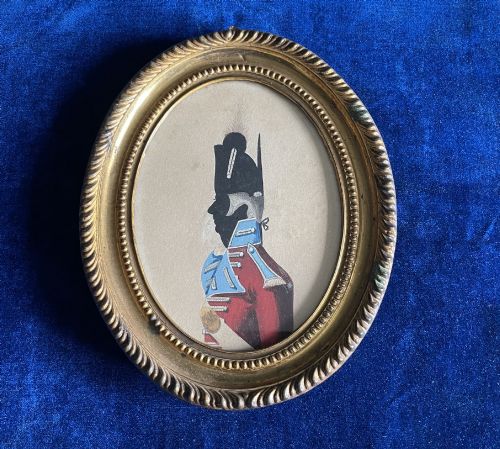
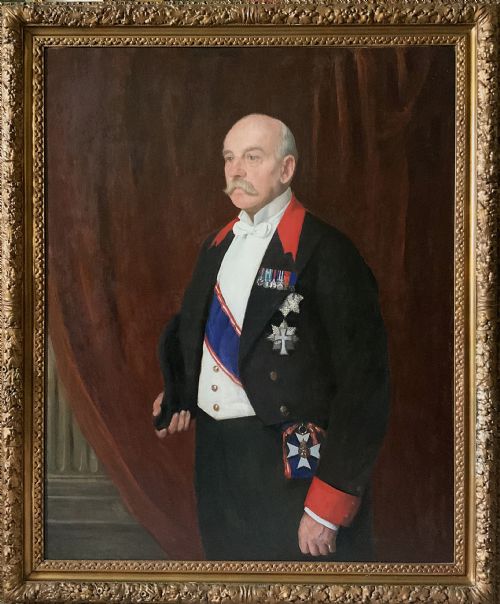
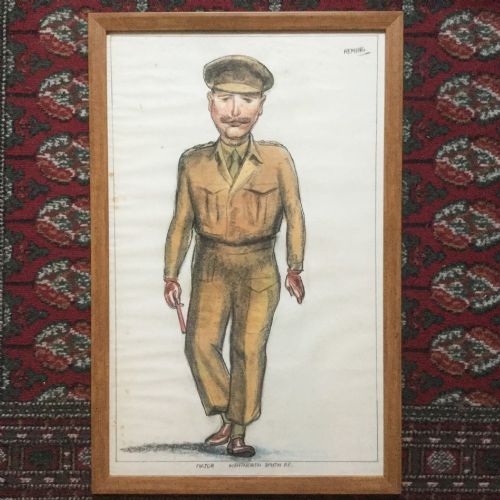
A framed military officer portrait depicts figures from various branches of service, ranging from early modern commanders in armour to twentieth-century personnel. These works appear in forms such as large oil paintings on canvas, delicate watercolours, pastels and small-scale miniatures.
The selection spans centuries, with examples originating from the seventeenth, eighteenth and nineteenth periods alongside later twentieth-century pieces. Buyers commonly encounter traditional oil works and watercolours housed in period wooden or gilt frames.
Subjects include named historical figures, infantry captains, naval officers and generals, recorded through the styles of Georgian, Victorian, Regency and Baroque traditions.
How They Were Made
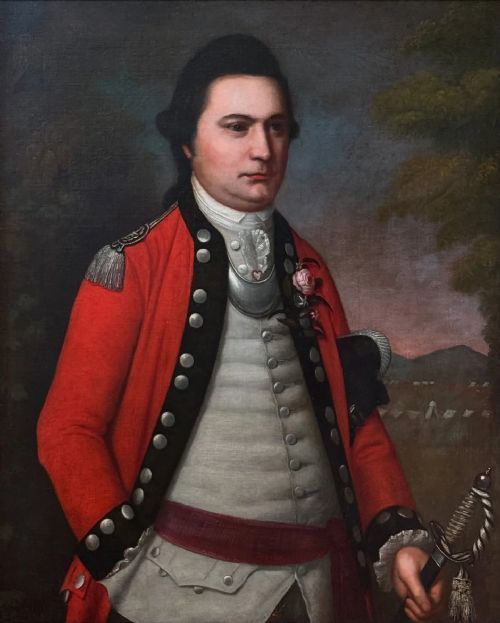
Artists painted primarily with oils on canvas or wood panels, building rich layers of pigment to render scarlet coats, gold braid and dark military uniforms. Watercolours and pastels on paper or card provided a more immediate medium for sketches and portrait miniatures.
Frames formed an essential part of the presentation, utilising carved wood and giltwood to complement the status of the sitter. Glazing protected works executed on paper or delicate panels from environmental damage.
Several officers gaze out while sporting remarkably fierce whiskers and immaculate red coats that have survived centuries of peace and conflict.
What Varies in Quality
The integrity of the original frame and the preservation of the painted surface significantly influence the standing of a piece. Works by identified schools or documented painters command greater attention than anonymous studio copies.
Stickland Lowry·Herskind·John Wootton·Thomas Hudson·Edward Pugh·Aubrey Sykes RA
The Framed Military Officer Portrait Glossary
- Oil on Canvas
- A painting medium where pigments suspended in drying oils are applied to stretched fabric. This technique allowed artists to achieve deep tones and durable finishes across centuries of portraiture.
- Portrait Miniature
- A small, highly detailed painting executed on vellum, card, copper or agate. These intimate pieces were often created to be worn or kept in small travel cases.
- Giltwood
- Wood carved and coated with a thin layer of gold leaf or gold powder. It frequently surrounds formal portraits to enhance their visual weight.
- Pastel
- A dry drawing medium composed of powdered pigment and a binder, pressed into sticks. It creates soft, velvety surfaces that require glass protection.
Framed Military Officer Portrait: Frequently Asked Questions
How do I date a military portrait?
Dating relies heavily on the style of the uniform, the cut of the collar and the form of any medals or headwear depicted. Comparing these details with military history provides a reliable timeframe.
The framing and the materials used for the canvas or panel also offer clear chronological indicators for the age of the artwork.
Where should I hang these portraits?
These works suit traditional reception rooms, studies or hallways where their formal presence can anchor the room. They pair well with period furniture and dark wood panelling.
Keep them away from direct sunlight and damp walls to preserve the canvas, paper and gilt frames.
What is a portrait miniature?
A portrait miniature is a small-scale painting designed for intimate viewing, often created on delicate surfaces like ivory, card or agate. They frequently feature detailed depictions of officers in uniform.
These compact pieces often retain their original protective cases or ornate metal frames.
How do I identify the rank of the officer?
Rank is usually indicated by specific uniform markings, epaulettes, collar insignia and the presence of sashes or medals. Naval and land forces display distinct historical variations.
Contemporary inscriptions on the reverse of the canvas or frame often record the name and regiment of the sitter.