




Framed Maritime Landscape Painting
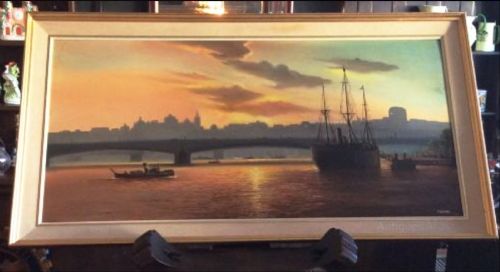
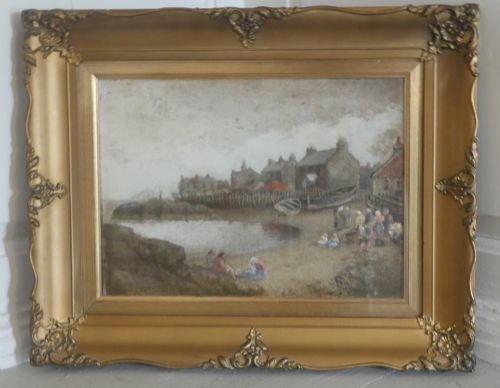
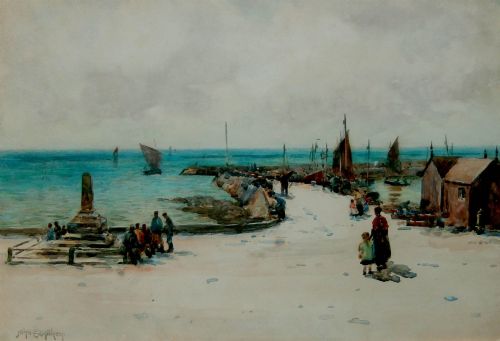
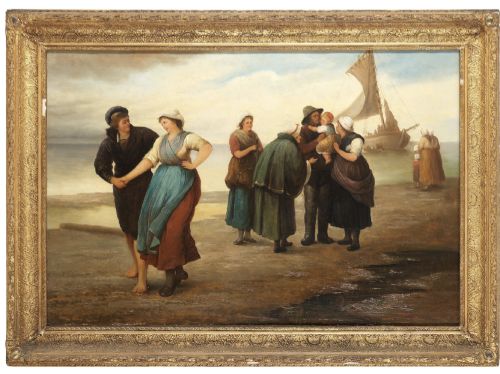
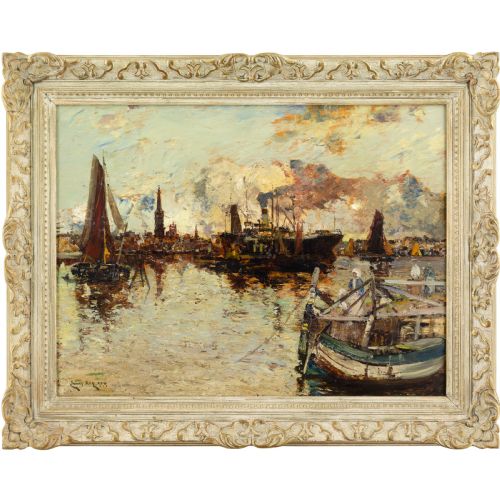
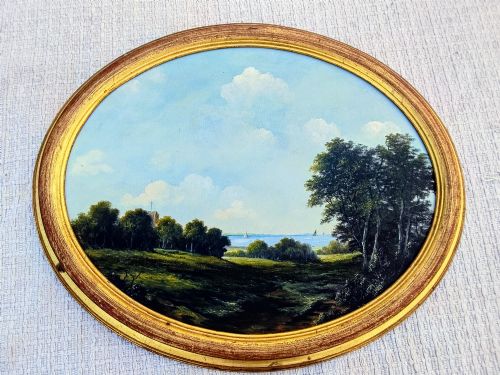
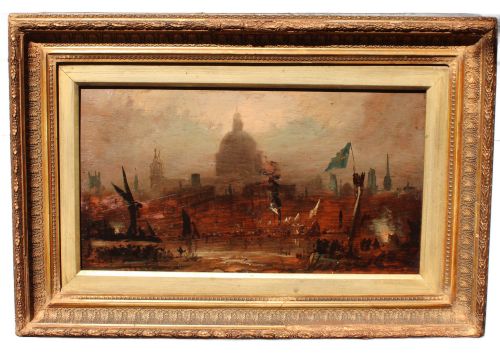
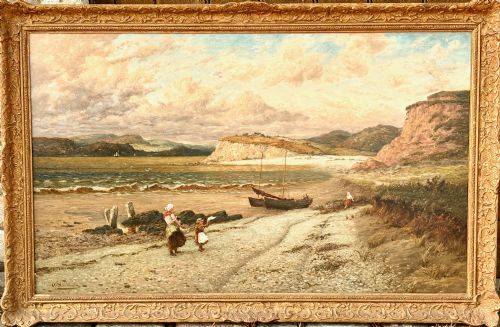
A framed maritime landscape painting captures the movement of coastal tides, harbour vessels and open water across centuries of British and European art.
Framed Maritime Landscape Painting
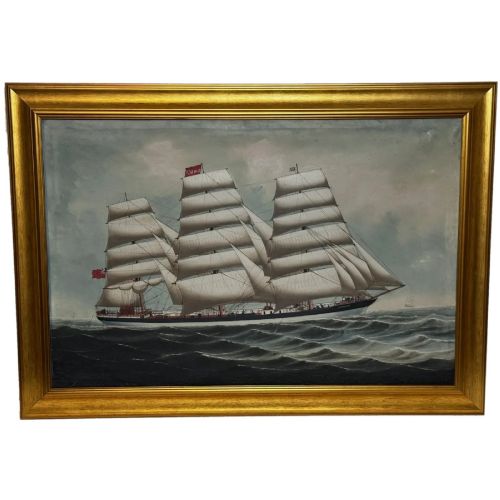
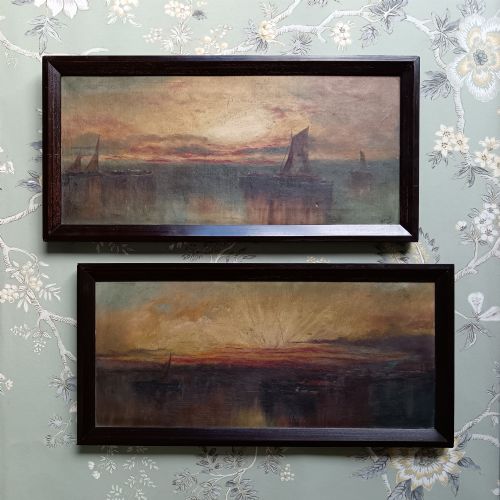
A framed maritime landscape painting brings together coastal views, harbour scenes and open water into a single framed composition. You will frequently encounter works originating from the nineteenth and twentieth centuries, spanning Victorian marine art through to British Impressionism and Modern British styles.
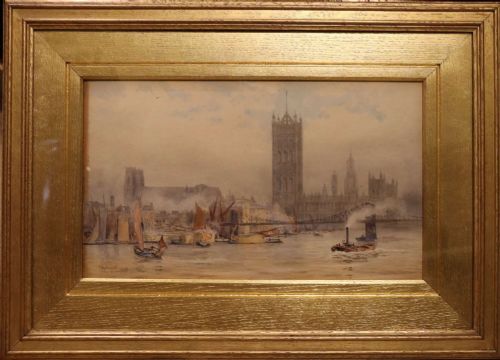
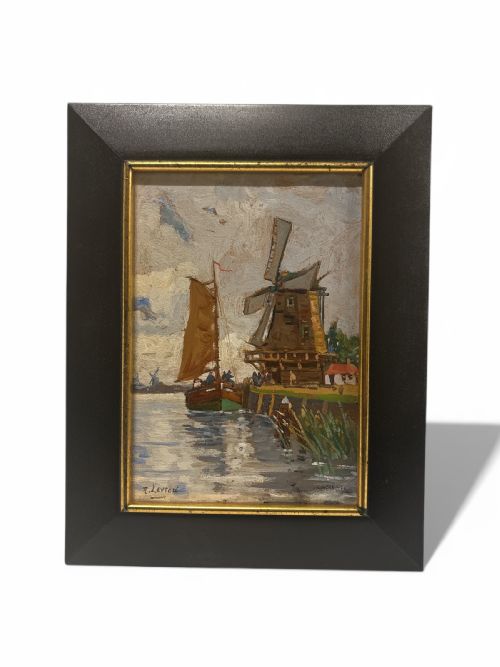
The subjects range from busy commercial ports and serene river Thames panoramas to rugged fishing beaches and dramatic North Sea havens. Many works feature specific locations such as St Ives, Whitby, Venice and various Dutch waterways, rendered in media that include oil on canvas, oil on board and watercolour on paper.
Materials and Techniques
Artists relied primarily on oil paint applied to canvas, wood panels or board, as well as watercolour pigments worked onto paper. These traditional media allowed creators to build luminous effects of light, water and atmosphere across different periods.
Finished works were typically housed within wooden surrounds, often incorporating gilt decoration to complement the tonal range of the maritime subject matter.
Several canvases manage to capture the exact moment a Dutch boat meets a gale.
Judging Quality
Quality rests on the artist's command of light, atmosphere and perspective when rendering moving water and coastal skies. Stronger examples display confident brushwork and precise compositional balance, successfully capturing the specific character of a harbour or open sea.
The integration of the painted surface with the surrounding wooden or gilt frame also contributes to the overall coherence and visual impact of the piece.
James Orrock·Reginald Arthur Borstel·B. Nash·James Kay·Francis Moltino·John Wilson Carmichael·Donald McIntyre
The Framed Maritime Landscape Painting Glossary
- Seascape
- A work of art depicting the sea, ocean or coastal shorelines. These compositions often focus on shipping, waves or coastal architecture.
- Watercolour
- A painting method in which the paints are made of pigments suspended in a water-based solution. It is traditionally applied to paper surfaces to create translucent effects.
- Gilt Wood
- Timber that has been coated with a thin layer of gold leaf or gilt finish. Frames finished in this manner were frequently used for nineteenth-century oil paintings.
- Impressionism
- An artistic style characterised by relatively small, thin yet visible brush strokes and an emphasis on accurate depiction of light. In maritime subjects, it captures shifting atmospheric conditions on the water.
Framed Maritime Landscape Painting: Frequently Asked Questions
What subjects do these maritime paintings show?
The compositions depict a wide variety of nautical and coastal subjects, including fishing boats, busy harbours, Venetian lagoons and open sea views.
Artists often recorded specific ports and coastal landmarks across Britain and continental Europe, documenting maritime life and trade.
How do I identify the period of a painting?
Dating relies on stylistic clues, framing techniques and any artist signatures or dates recorded on the canvas or board.
Nineteenth-century works often favour traditional realism or detailed marine art, while twentieth-century pieces lean towards Impressionist and Modern British approaches.
Where should I hang a maritime painting?
These works suit spaces with stable environmental conditions away from direct sunlight and excessive moisture to protect the canvas or paper.
Hanging them at eye level allows the viewer to appreciate the finer details of the brushwork and the quality of the original frame.
What is the difference between oil and watercolour?
Oil paintings utilise pigment bound in drying oils on canvas or board, offering rich textures and deep colour layering.
Watercolours use water-soluble pigments on paper, presenting a lighter, more transparent quality that often requires protective glazing.