

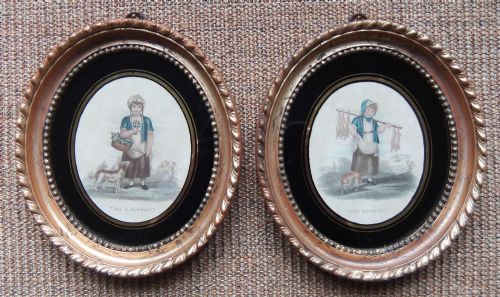
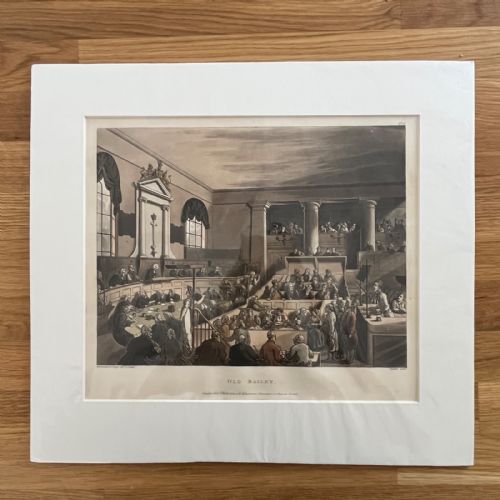
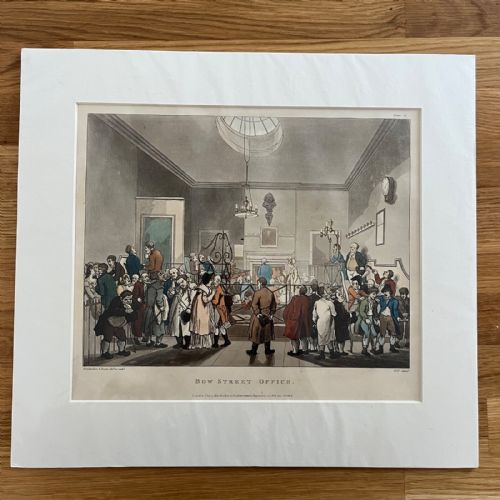
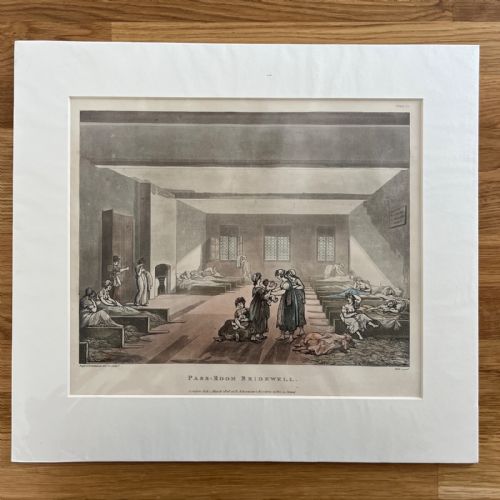





Framed London Engraving
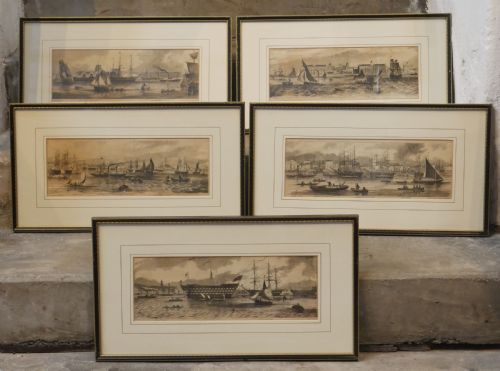
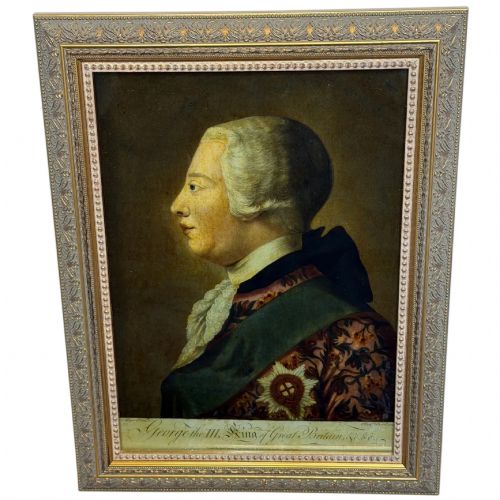
These framed london engraving pieces capture the capital across centuries through delicate ink, paper, and hand-coloured aquatint.
Framed London Engraving
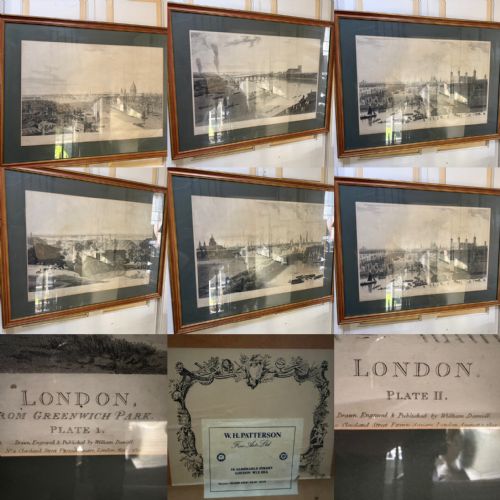
A framed london engraving brings historical views of the capital directly to the wall, ranging from bustling street scenes to panoramic river vistas. Buyers encounter these works in formats spanning single architectural plates to paired stipple engravings and complete series.
The selections on this page draw predominantly from the nineteenth and eighteenth centuries, alongside early twentieth-century interpretations. Common subjects include the River Thames, maritime docks, and familiar thoroughfares rendered through etching, aquatint, and wood engraving.
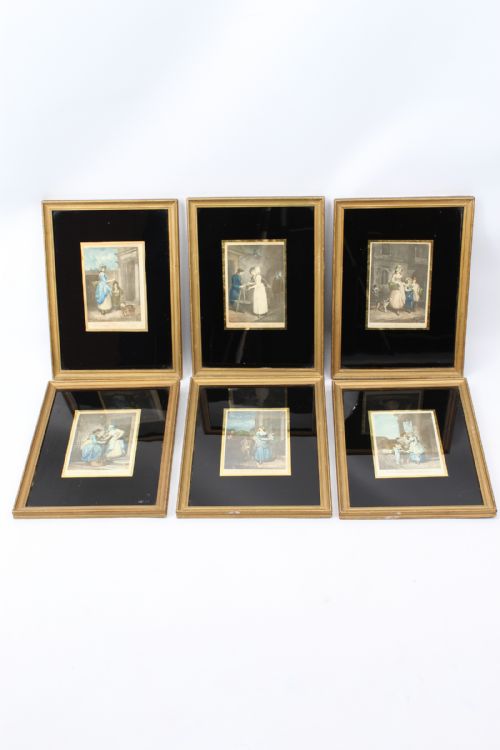
Many examples arrive preserved in period frames of wood, gilt, or black eglomise glass that complement the monochrome or tinted ink within. These pieces offer a direct visual record of urban expansion, civic buildings, and street life from earlier eras.
Materials and Technique
Production relies fundamentally on ink applied to paper plates through various printmaking methods, including copperplate engraving, aquatint, and drypoint etching. Artisans frequently added colour by hand using watercolour washes over the printed lines to bring vibrancy to architecture and costume.
Framing materials typically combine timber, glass, and occasional gold leaf or reverse painted eglomise borders to protect the delicate works on paper. These traditional assemblies secure the sheet while maintaining visibility for detailed urban topography.
Framed London Engraving Retail Price Guide 2026
Typical asking prices for framed london engraving among the pieces listed under this phrase on Sellingantiques today, from the lower quarter to the upper quarter. They describe what is for sale here now, not the wider market.
Listings feature works spanning the eighteenth, nineteenth, and early twentieth centuries, utilising paper, ink, watercolour, and wood.
Assessing Quality and Execution
Quality rests heavily on the clarity of the printed line and the precision of any hand-applied watercolour. Finer plates retain crisp architectural details and subtle tonal gradations without blurring or ink bleed.
The preservation of the paper sheet and the authenticity of the surrounding frame significantly influence the standing of a piece. Original mounts, period glass, and minimal foxing elevate the overall integrity of the work.
S & J Fuller·Rowlandson & Pugin·Richard Purcell·William Daniell·Edgar J. Maybery
The Framed London Engraving Glossary
- Aquatint
- A printmaking technique that produces tonal effects similar to watercolour washes by using acid to etch the copper plate. It allows artists to achieve subtle shades of grey and colour.
- Stipple engraving
- A method of creating prints by means of dots rather than continuous lines, often used to render soft flesh tones and fabrics in nineteenth-century portraits and scenes.
- Eglomise
- A process of applying gold or silver leaf to the reverse side of glass, producing a reflective, dark border that frames the central image.
- Drypoint etching
- A printmaking process where an artist scratches a design directly onto a metal plate with a sharp needle, creating a distinctive raised burr that holds rich ink.
- Mezzotint
- A tonal printmaking method where the copper plate is roughened uniformly to produce deep blacks and smooth gradations of light.
Framed London Engraving: Frequently Asked Questions
How do I date a framed london engraving?
Dating relies on stylistic clues in the clothing, architecture, and transportation depicted within the scene, alongside the paper type and framing style. Printers and publishers often stamped publication dates directly onto the margin below the image.
Examining the back of the frame can also reveal old labels or tax stamps that narrow down the period of production and assembly.
Were these engravings originally published as books?
Many fine topographical plates originated as loose series or illustrations bound within ambitious multi-volume works documenting the capital. Publishers later separated and framed individual sheets for wall display.
Sets depicting street vendors or river views often began life as subscription portfolios before finding their way into domestic interiors.
How should I hang and light these pieces?
Works on paper require protection from direct sunlight to prevent the fading of ink and any hand-applied watercolour washes. Hang them on interior walls away from moisture sources like kitchens and bathrooms.
Use gentle, indirect lighting or low-output LED picture lights to illuminate the fine details without generating damaging heat.
What is the difference between an etching and an engraving?
An engraving is made by directly cutting lines into a metal plate using a sharp steel tool called a burin, resulting in clean and precise strokes. An etching uses acid to bite the lines into the metal plate after the artist scratches through a protective wax ground.
Etchings often display freer, more fluid lines compared to the geometric precision of traditional line engravings.