

Framed Lithograph Art
Framed lithograph art brings together historical images and period frames, offering a direct window into past printing traditions.
Framed Lithograph Art
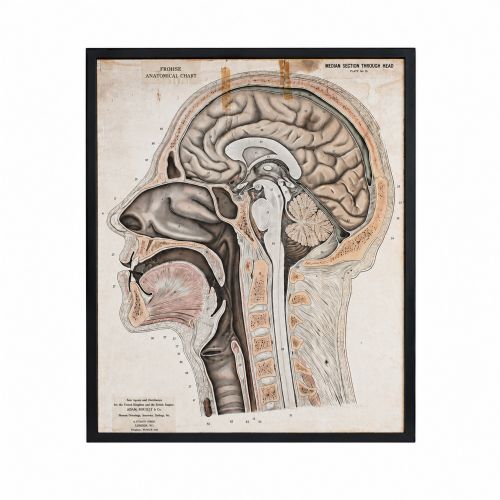
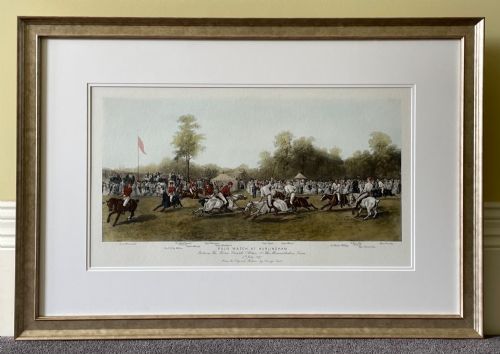
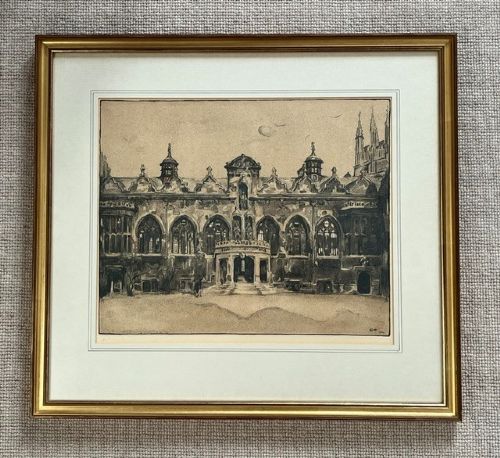
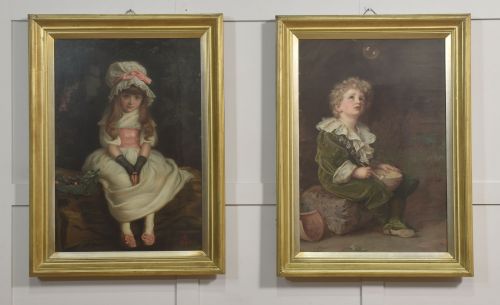
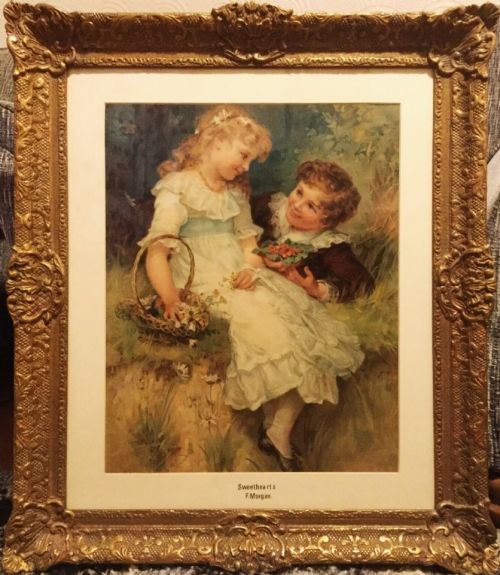
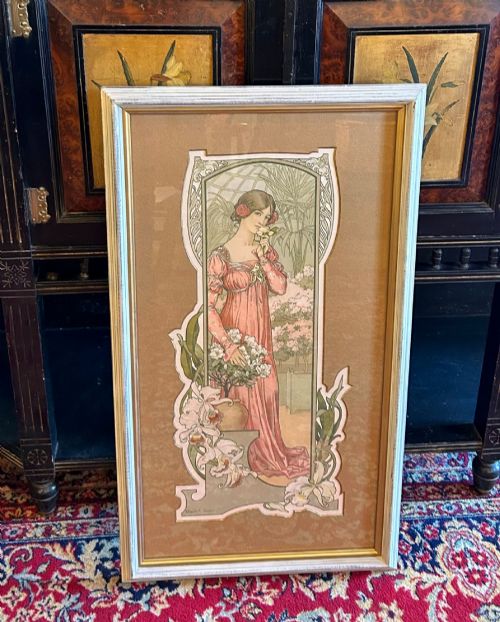
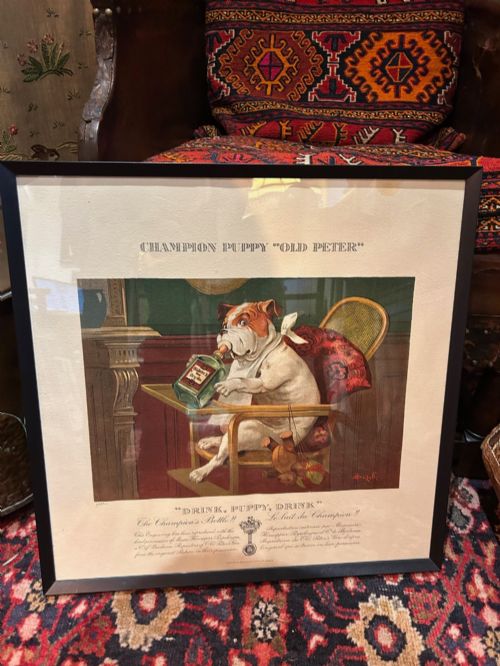
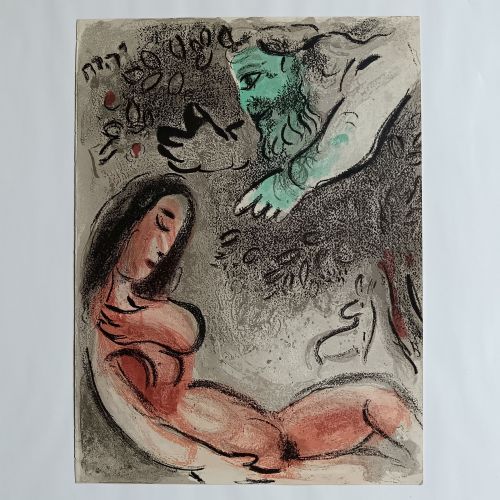
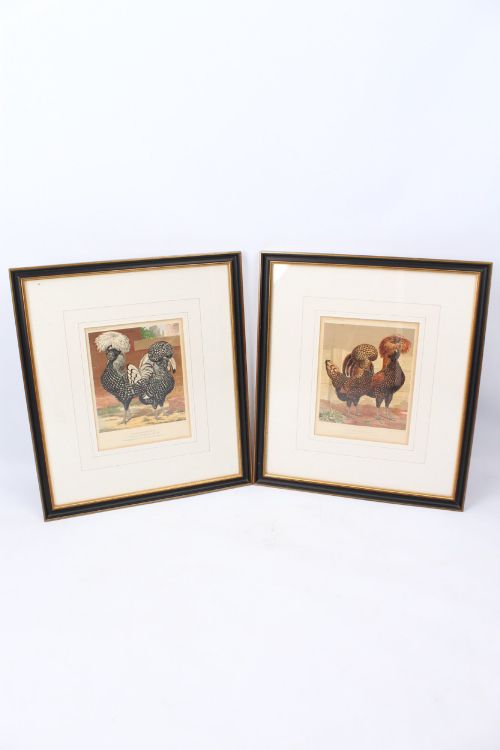
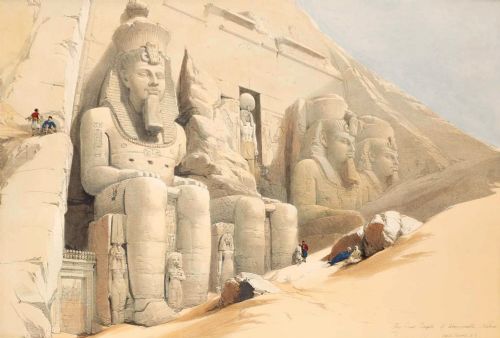
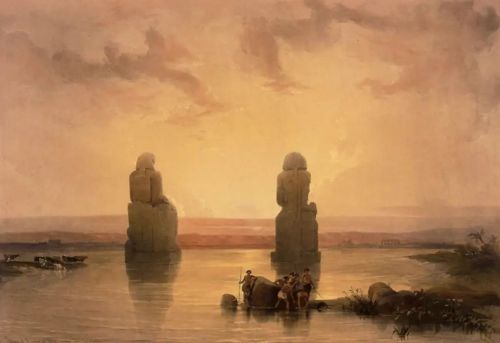
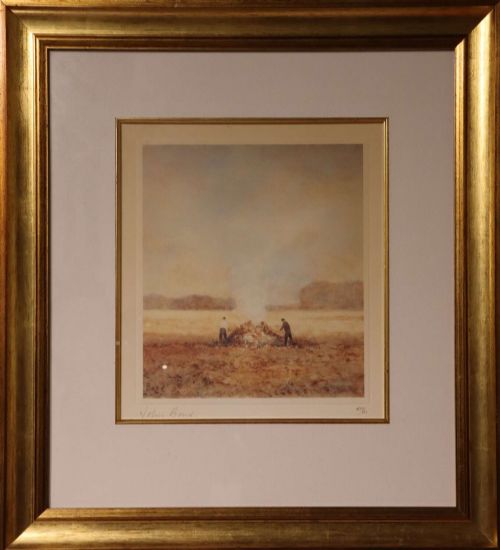
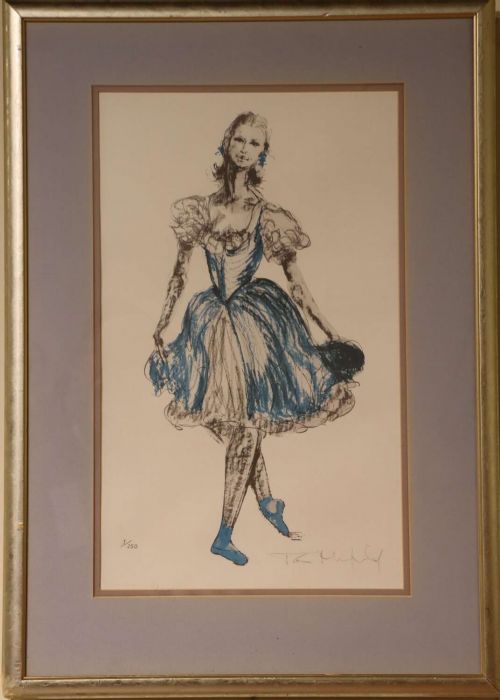
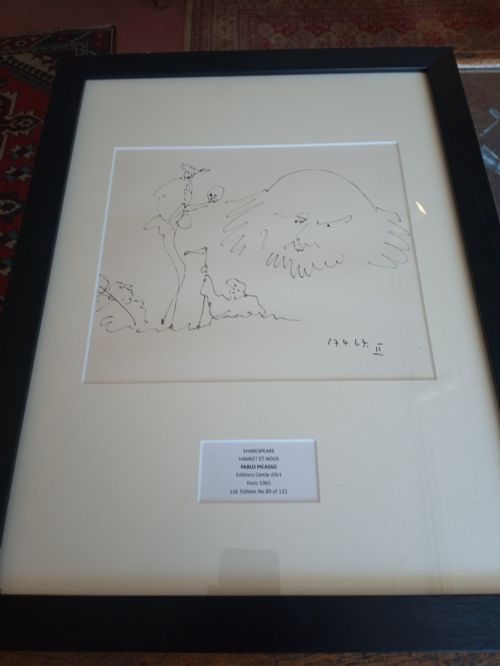
Framed lithograph art encompasses printed works housed behind glass within wooden or gilded surrounds, spanning periods from the early nineteenth century through to the mid-twentieth century. Buyers often encounter Victorian and Edwardian examples alongside mid-century modern pieces, reflecting subjects from sporting scenes and natural history to advertising and fine art reproductions.
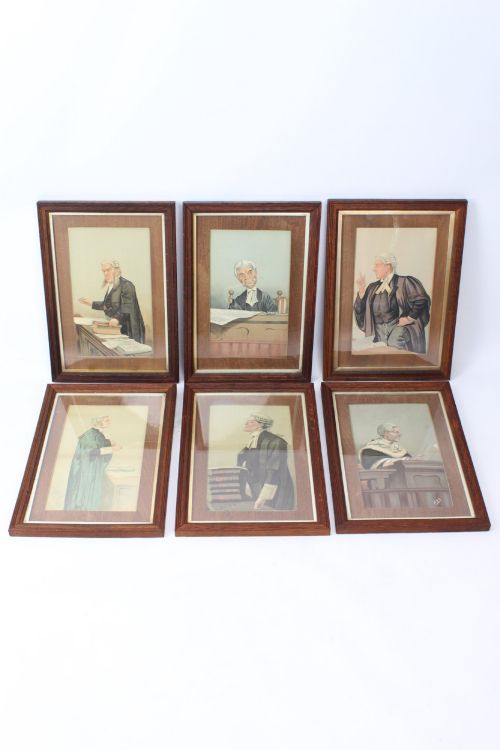
The objects take the form of individual framed prints, pairs, and matching sets intended for wall display. Surviving examples frequently retain their original period framing materials, offering a complete aesthetic package that preserves both the printed image and its historical housing.
Materials and construction
The primary medium relies on paper receiving ink through the lithographic process, occasionally enhanced by hand colouring or multi-plate chromolithography to produce varied hues. Printers utilised stone or metal plates to transfer delicate lines and flat colour fields.
Protection and presentation involve glass panes held within frames constructed from wood, gilt wood, and gold leaf mouldings. These enclosures safeguard the paper surface from environmental degradation while providing structural support for hanging.
Listings feature periods spanning from the eighteenth century through the Victorian era up to mid-century modern design.
Distinctions in quality
Quality rests upon the crispness of the ink impression and the registration accuracy of multiple colour plates during printing. Finer examples retain deep tonal gradations and vivid pigmentation without blurring or fading.
The craftsmanship of the surrounding frame contributes significantly to the overall merit of the piece. Original period mouldings with intact gilding or patinated wood complement the quality of the print housed within.
Sir William Nicholson·Elisabeth Sonrel·Marcellin Auzolle·Marc Chagall·David Roberts·John Bond·John Meredith·Pablo Picasso·C. H. Weigall·Horatio Henry Couldrey·Louis Haghe·Toulouse Lautrec·Louis Wain
The Framed Lithograph Art Glossary
- Lithography
- A planographic printing process based on the mutual antipathy of oil and water. An image is drawn onto stone or metal with a greasy medium and treated so that ink adheres only to the drawn areas.
- Chromolithography
- A colour lithographic technique using multiple stones or plates, each bearing a different pigment. This method allows for richly coloured prints that mimic the appearance of original paintings.
- Gilt wood
- Wood surfaces coated with a thin layer of gold leaf or metallic paint. This finish creates a reflective, decorative border common in period framing.
- Vanity Fair print
- A caricature or portrait published in the British weekly magazine Vanity Fair. These prints are known for their satirical observation of notable figures and society.
- Pochoir
- A stencil-based colouring technique used to apply crisp hues to prints. Artisans hand-applied pigments through cutouts to achieve vibrant graphic results.
Framed Lithograph Art: Frequently Asked Questions
How do I care for framed lithographs?
Keep prints away from direct sunlight to prevent the fading of ink and paper. Maintain stable room temperatures to avoid warping the wooden frames or introducing moisture behind the glass.
Dust frames gently with a dry cloth and avoid using liquid cleaners directly on the glass surface near the antique edges.
Are these pieces original prints?
Many examples are period originals pulled from the original stones or plates during the nineteenth and twentieth centuries. Some listings also include later authorised editions or advertising prints from established publishers.
Check the specific title and period details to determine the exact printing era of each individual work.
How can I date my framed print?
Dating relies on stylistic clues within the imagery, the typography of any accompanying text, and the construction methods of the frame. Victorian and Edwardian pieces often exhibit distinct paper textures and framing profiles characteristic of their decade.
Reference marks, signatures, and publisher details printed on the margins also provide clear chronological markers.
Can I remove the print from the frame?
Opening period frames is discouraged because old backings, seals, and glass often contribute to the preservation and historical integrity of the piece. Altering the original housing can expose fragile paper to modern pollutants and humidity.
Leave historical mountings intact to maintain both the physical stability and the authenticity of the artwork.