

Framed Italian Artwork
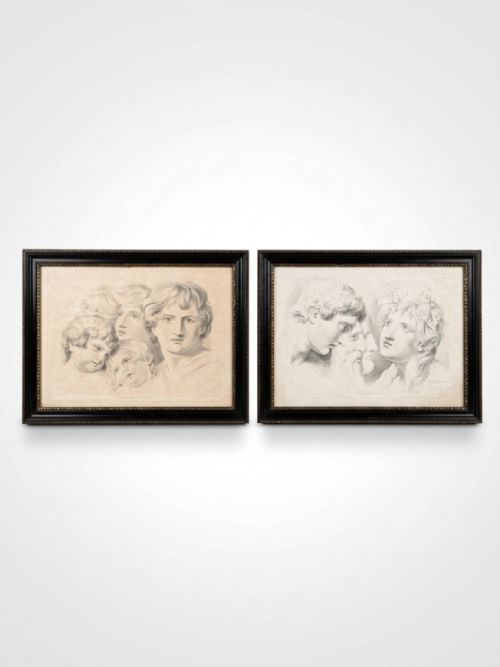
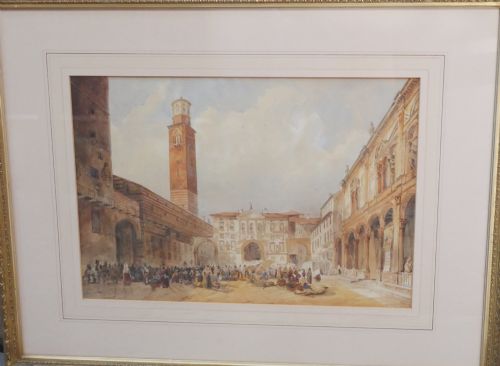
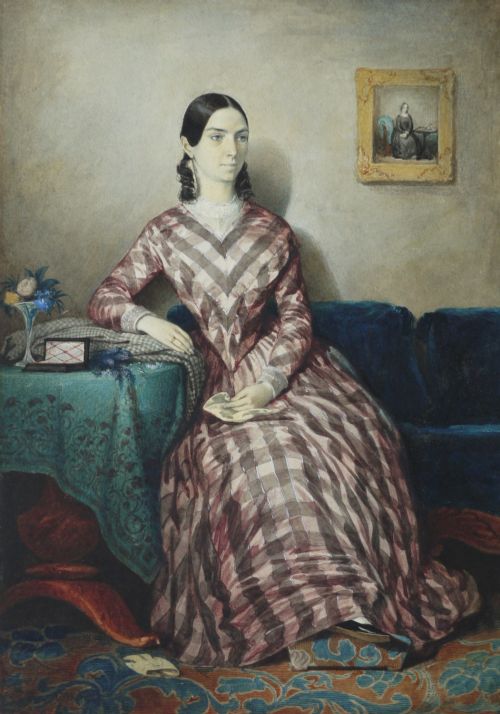
Framed Italian artwork spans centuries of oil paintings and watercolours, bringing classical portraiture and Venetian canal scenes directly into a room.
Framed Italian Artwork
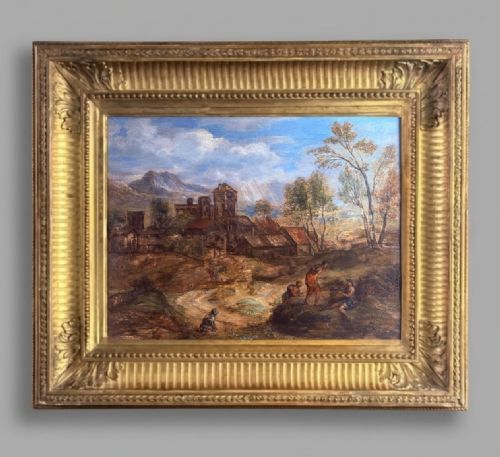
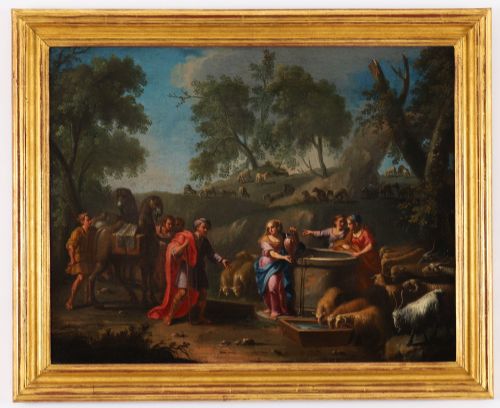
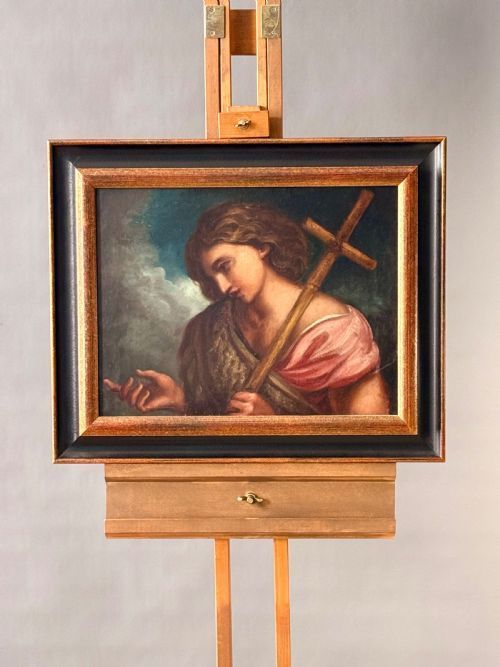
Framed Italian artwork encompasses oil on canvas paintings, watercolours, pastels, and framed panels created across the sixteenth, seventeenth, eighteenth, nineteenth, and twentieth centuries. Collectors encounter religious subjects after Renaissance masters, portraits of noblewomen, and pastoral landscapes originating from the Grand Tour tradition.
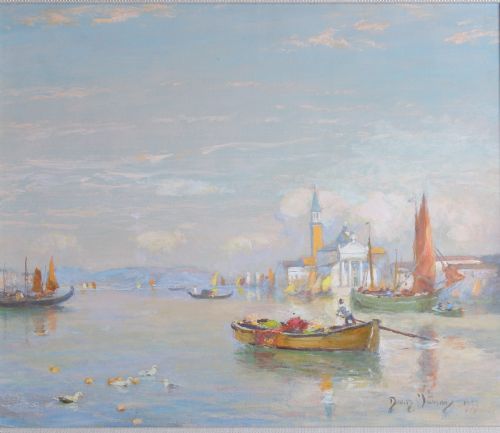
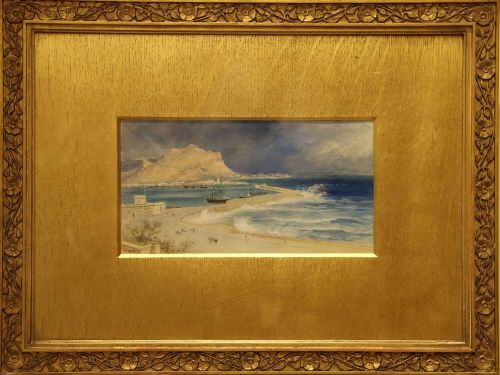
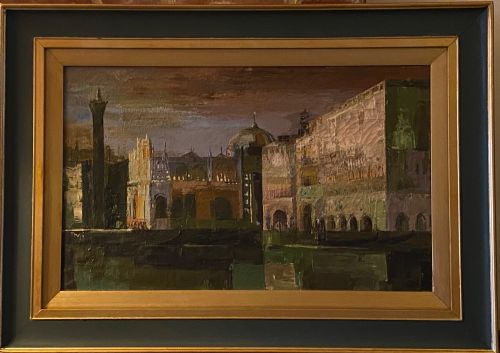
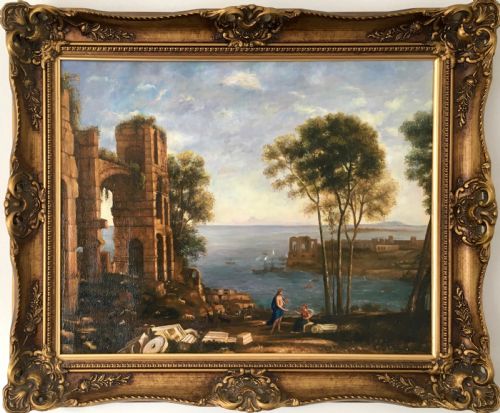
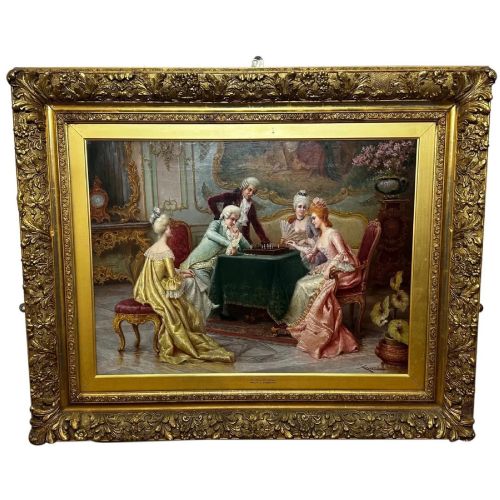
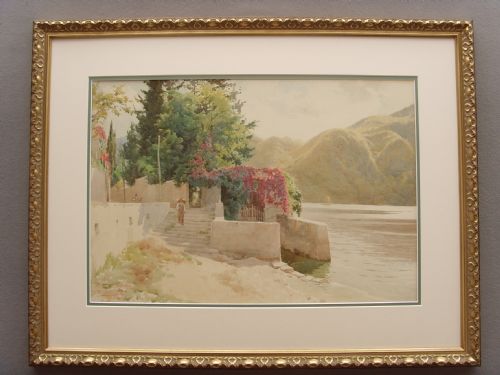
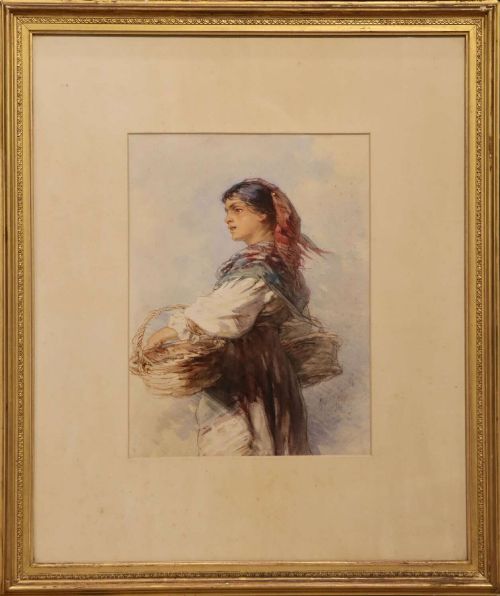
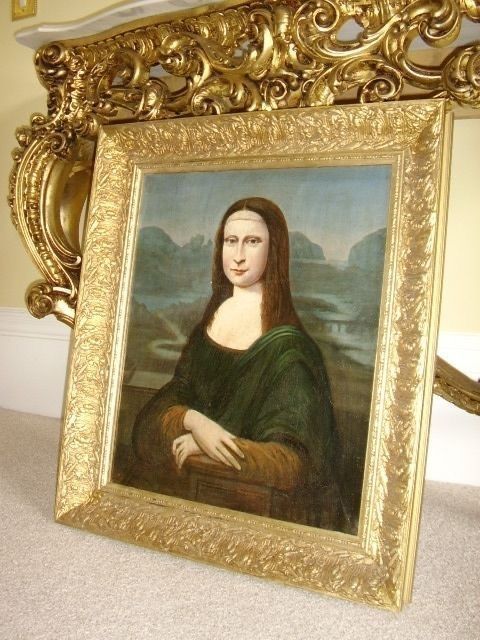
The most common pieces on this page are nineteenth-century oil paintings and watercolours depicting Venetian canals, alongside later revival works set in ornate gilded frames. These pieces range from intimate watercolours of fisherfolk to large-scale canvas views of the Grand Canal.
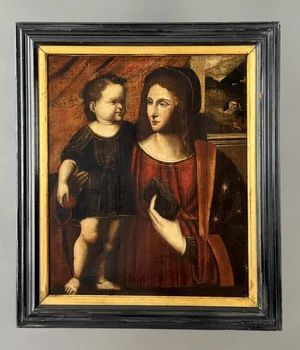
Subjects often draw inspiration from major historical periods, including the Italian Renaissance, Baroque period, and nineteenth-century romanticism. Many works reflect classical themes such as the Madonna and Child, alongside topographical views of Rome, Venice, and Naples.
Materials and construction
Mouldings and surrounds frequently incorporate gold leaf application to accentuate the depth of the paintings. Other framed pieces employ specialist techniques such as pietra dura inlay or micromosaic plaques set within ebonised wooden frames.
Listings feature works spanning the sixteenth to the twentieth centuries, including Renaissance revival styles, Baroque compositions, and twentieth-century Venetian canal scenes.
Assessing quality
The integrity of the frame significantly influences the overall standard, particularly when the carved wood and giltwood elements match the period of the painting itself. Original pairings of canvas and hand-carved frame command greater appreciation among collectors than later substitutions.
Thomas Ellison·Dumini Leopoldo·Benedetto Lute·Vittorio Reggianini·Augusto Alberici·Alfred Pollentine·Antonio DeVity·Francis Moltino·Michelangelo Meucci·Guillaume Courtois·Umberto Volpato·Carlo Ferranti·Renato Moretti·Robert George Talbot Kelly·Jan Miel·Paolo Veronese·Attilio Toro·Filipo Indoni
The Framed Italian Artwork Glossary
- Grand Tour
- A cultural journey through continental Europe undertaken by young upper-class Europeans during the eighteenth and nineteenth centuries to study classical art. This practice generated a market for topographical paintings and Italian landscapes.
- Giltwood
- Wood that has been coated with a thin layer of gold leaf or gold paint for decorative effect. It appears frequently on antique picture frames.
- Pietra dura
- An artistic technique using cut and fitted polished coloured stones to create geometric or figurative designs. These panels are often mounted within protective frames.
- Micromosaic
- A meticulous form of mosaic using tiny glass threads fused together to form detailed pictorial scenes. These panels were frequently mounted in ebonised frames as souvenirs.
- Trompe l'oeil
- An art technique involving extremely realistic imagery to create the optical illusion that the depicted objects exist in three dimensions. Such works often feature still life subjects like hanging birds.
Framed Italian Artwork: Frequently Asked Questions
How do I date a framed Italian painting?
Dating relies on examining the canvas weave, the stretcher construction, and the style of the pigments used by the artist. Inscriptions on the reverse or signatures can also anchor the piece to a specific decade.
The frame often provides secondary clues, though many older paintings were reframed during subsequent centuries to match prevailing interior fashions.
Are these works original paintings or prints?
The majority of pieces listed are original hand-painted oils on canvas or watercolours on paper, executed directly by the artist. Close examination with a loupe reveals brush texture and pigment layering characteristic of hand application.
Occasional items comprise period prints after master works, which are explicitly identified within their individual listings.
How should I care for antique oil paintings?
Antique canvases require stable indoor environments with moderate humidity levels to prevent the oil paint from cracking or flubbing. Direct sunlight should be avoided to protect organic pigments from fading over time.
Dusting should be done gently with a soft, dry brush, avoiding any moisture or chemical cleaning agents on the painted surface.