

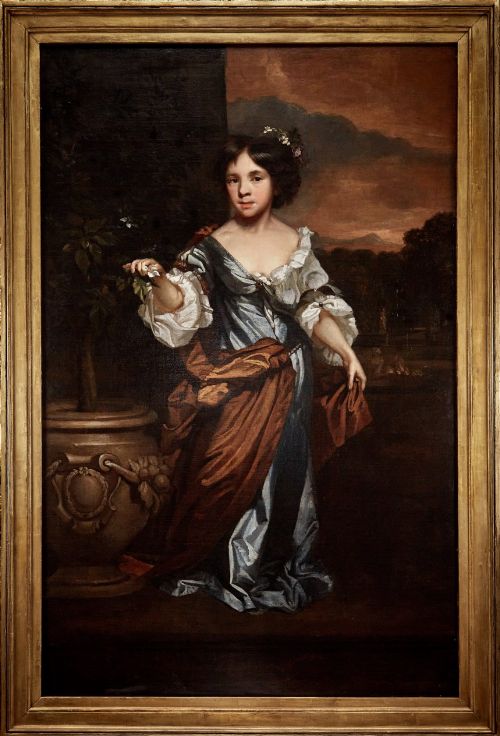


Young Girl Oil Portrait
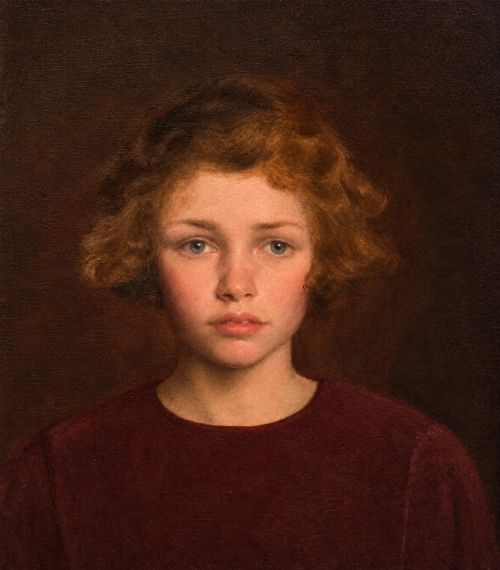
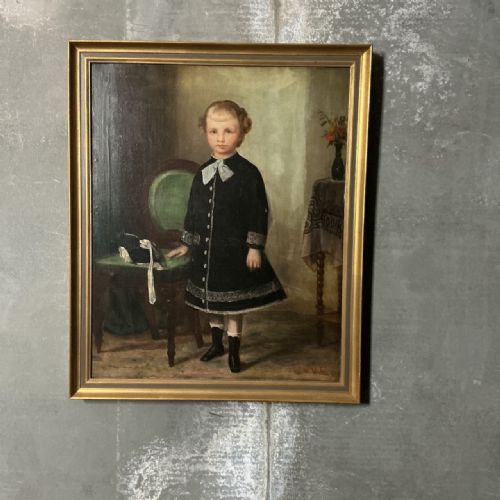
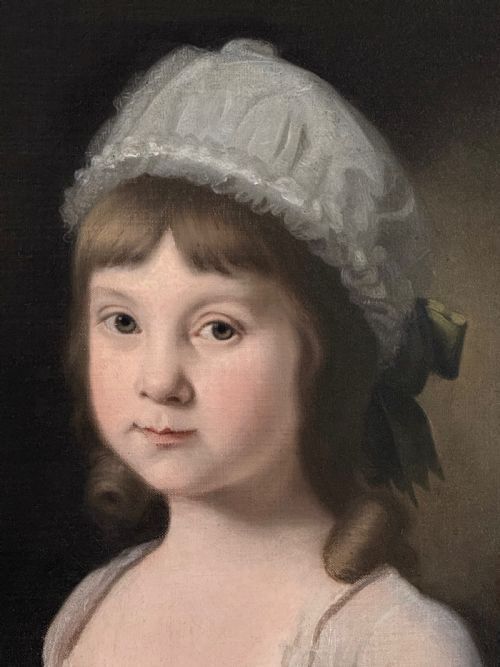
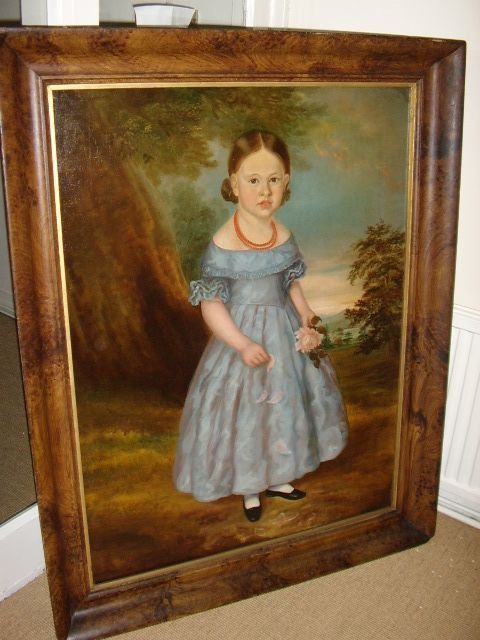
A young girl oil portrait captures a likeness in paint on canvas or board, offering a direct window into past centuries.
Young Girl Oil Portrait
A young girl oil portrait brings centuries of character into a room, ranging from grand 17th-century canvases to intimate Edwardian studies. You are most likely to meet 19th-century works on this page, alongside Georgian and 18th-century examples.
The subjects appear in various settings, from pastoral scenes with pets and flowers to quiet domestic moments involving sewing or reading. Painters deployed oil paint to render delicate lace collars, cotton dresses, and expressive faces.
These fine art pieces originate from British, French, Italian, and Dutch schools, reflecting the stylistic shifts from Baroque grandeur to 19th-century realism and naive art.
Materials and technique
Artists painted these works using oil paint applied to woven canvas stretched over wooden frames, or occasionally directly onto wooden boards.
Many of the surviving paintings sit within their original or period giltwood frames, which often display moulded timber ornament characteristic of their era.
Listings span from the 17th century through the Georgian and Edwardian eras, utilising oil on canvas and wood boards.
What separates the range
The strength of the likeness and the confidence of brushwork separate accomplished academic works from simpler naive pieces.
The survival of the original surface, uncompromised by heavy restoration, and the presence of a period gilt frame elevate certain examples above others.
Joshua Reynolds·John Riley·John Closterman·Christian Lindner·Jozef Israëls·Harold Arthur Burke·John Russell·Harry John Pearson·Abraham Lambertsz van den Tempel·Tilly Kettle·Giuseppe Palanti·Edward Byng·Jean Puy·Basil Bradley·Gladys Watkins·Michel Katzaroff
The Young Girl Oil Portrait Glossary
- Oil on Canvas
- Pigment mixed with drying oil applied to a woven fabric support. This combination allowed artists to achieve rich colour depth and smooth blending.
- Giltwood
- Wood that has been coated with a thin layer of gold leaf or gilt pigment. It forms the decorative material of many traditional picture frames.
- Naive Art
- Work produced by an artist without formal academic training, often characterised by a flat perspective and direct charm. These pieces hold a distinct appeal for collectors of vernacular art.
- Baroque
- An ornate European style spanning the 17th and early 18th centuries. Portraits from this period emphasise dramatic lighting and rich textures.
- Half-Length
- A compositional format showing the subject from the waist or hips up. This framing allows the artist to focus on facial expression and hand gestures.
Young Girl Oil Portrait: Frequently Asked Questions
How do I date a young girl oil portrait?
Dating relies on the clothing styles, such as lace bonnets or cotton dresses, combined with the construction of the stretcher frame and the canvas type.
Signatures, inscriptions on the reverse, and the style of the accompanying giltwood frame also provide reliable clues to the decade of creation.
Where were these portraits hung originally?
These works typically hung in the reception rooms, parlours, or private chambers of family homes as enduring records of childhood.
Commissioned by parents, they served as both personal mementos and statements of family standing within society.
How should I care for an oil portrait?
Keep the painting away from direct sunlight and fluctuating radiator heat to prevent the canvas from sagging and the oil paint from cracking.
Dust the surface gently with a soft, dry brush and avoid using water or chemical cleaners on either the canvas or the frame.
What is the difference between canvas and board?
Canvas consists of woven fabric stretched tightly over a wooden frame, offering slight give and a textured surface for the oil paint.
Board provides a rigid wooden support, which was frequently utilised for smaller sketches and later 19th-century studies.