

Framed Ink Art
Framed ink art brings together centuries of delicate line work, hand-drawn character and preservation behind glass.
Framed Ink Art
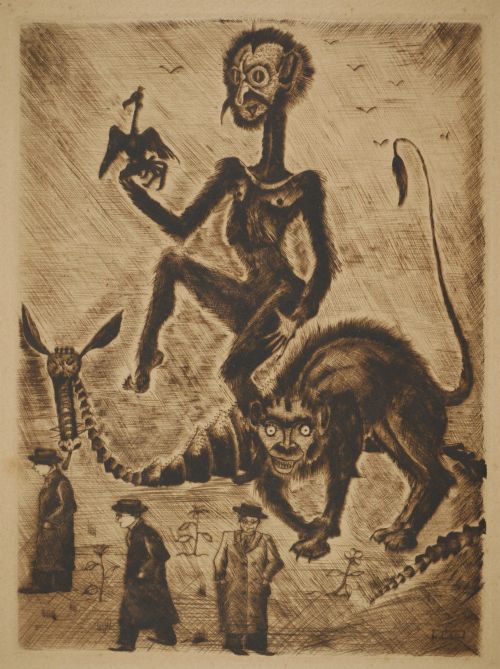
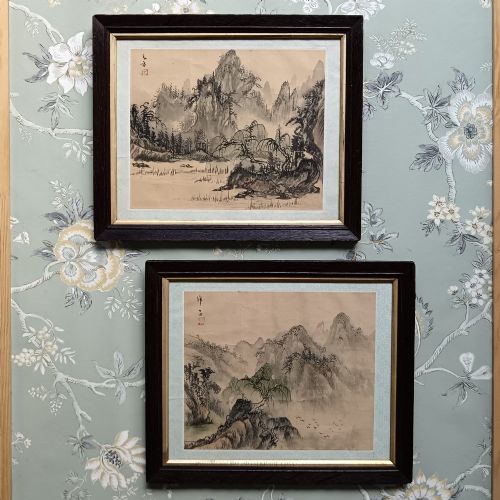
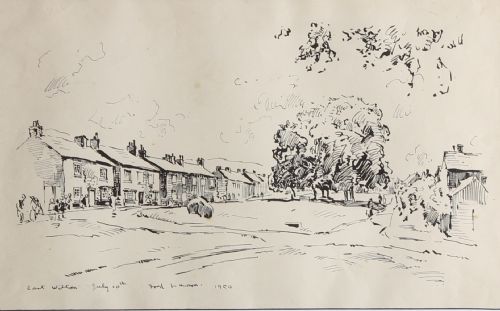
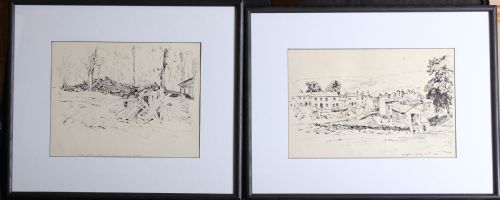
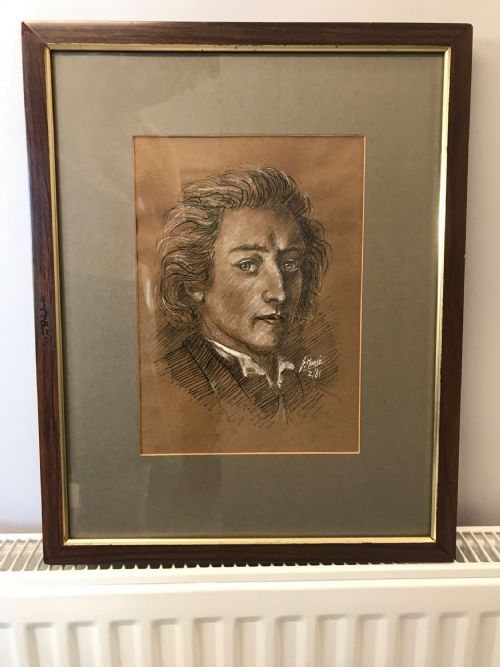
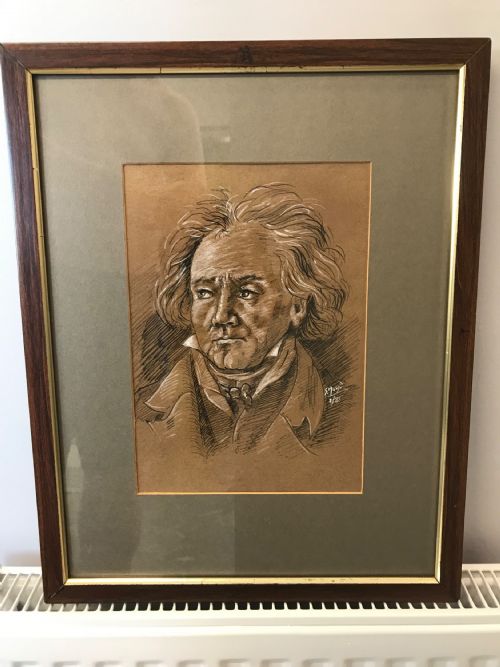
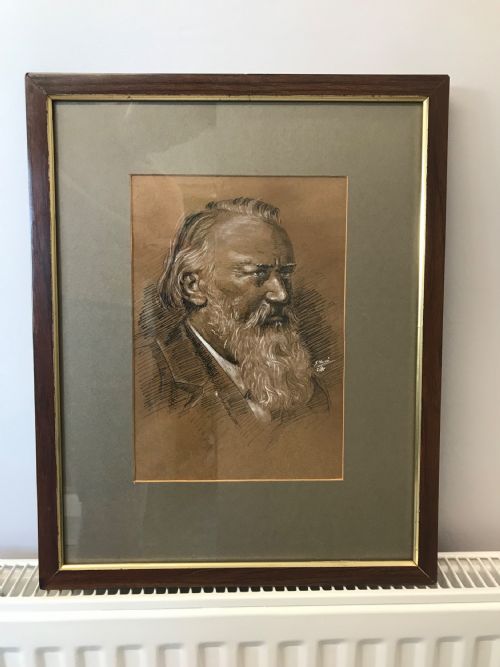
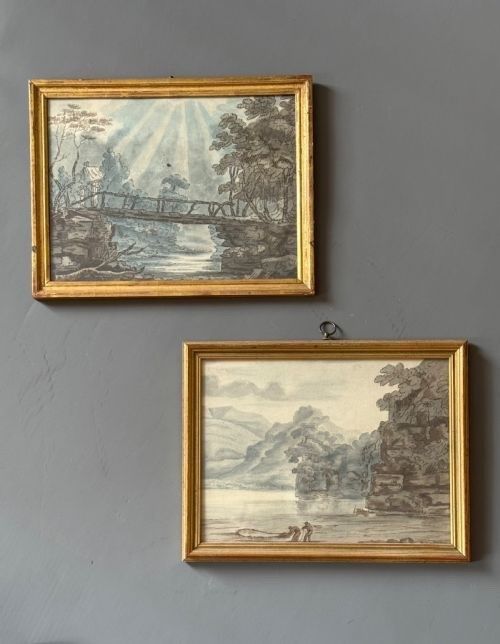
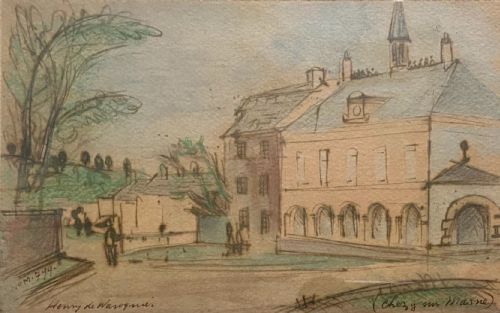
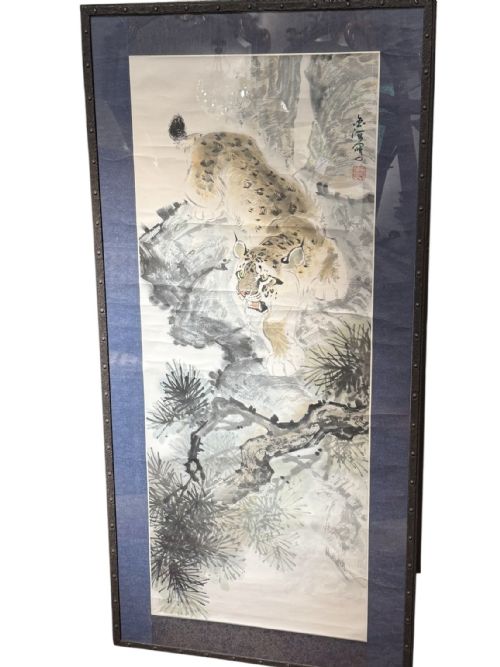
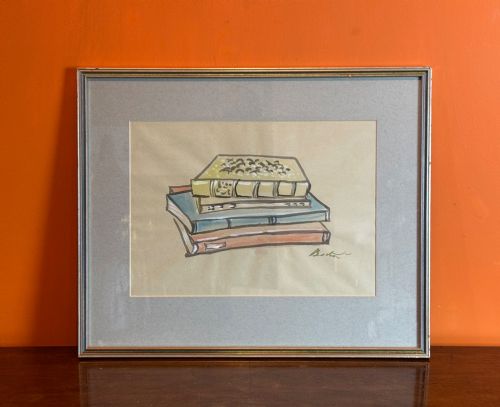
When you search for framed ink art, you encounter works on paper executed in pen, ink, wash and gouache, often paired with watercolour or pencil. The pieces span from early portraits and architectural studies to mid-century British landscapes and traditional Chinese silk paintings, all secured within period timber or metal frames.
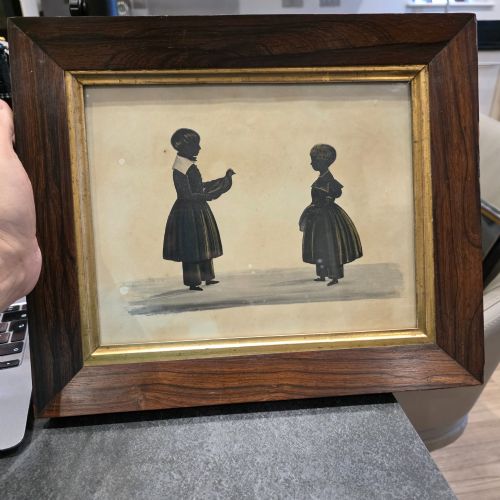
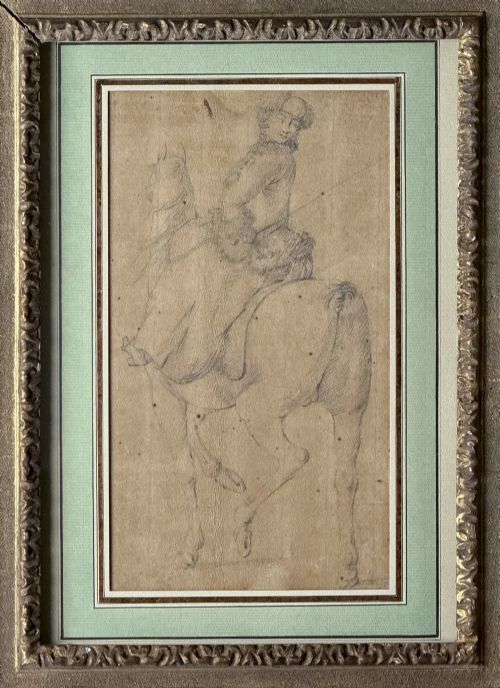
You are most likely to meet nineteenth-century drawings, Edwardian sketches and mid-century works on paper on this page. These range from narrative silhouette portraits and preparatory studies to botanical and topographical scenes protected beneath glass.
The category encompasses both original hand-drawn sheets and period prints or etchings. Each item demonstrates the lasting appeal of graphic line work, whether rendered by named artists or anonymous hands across various European and Asian traditions.
How they were made
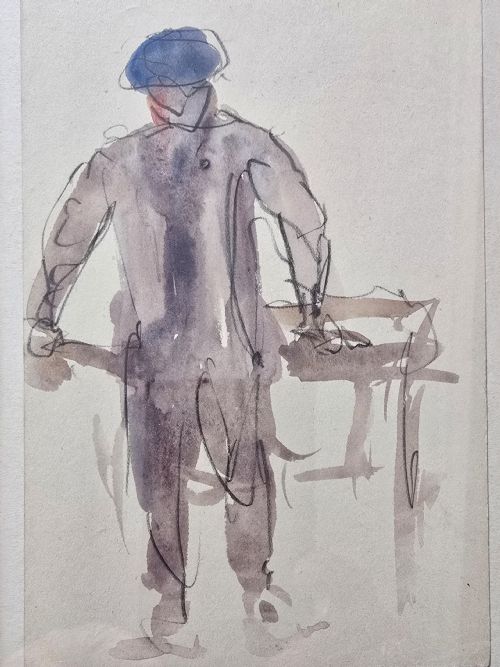
Artists utilise iron gall or carbon inks applied with nibs, quills or brushes directly onto sheets of paper, parchment, vellum or mulberry wood. These linear marks are frequently augmented with watercolour washes, bodycolour or gouache to build tone and depth.
The finished works are housed within protective enclosures using materials such as glass, wood frames and backing boards. Silk mounts and original paper scrolls further demonstrate the diverse methods used to display and preserve works on paper.
Listings feature works created on paper, vellum, silk and mulberry wood, spanning from the seventeenth century through to mid-century modern Britain.
What varies in quality
The standard of execution separates casual sketches from master studies, defined by the sureness of the pen line and the subtlety of the ink wash. Superior works display a confident economy of stroke that captures form and expression without hesitation.
Preservation of the paper support and the integrity of the original framing significantly influence the overall character. Examples retaining their untouched historic mounts and genuine period frames offer a more complete historical context.
Kurt Lorein Victor Peiser·Fred Lawson·Henry de Waroquier·Cecil Beaton·Michael Healy·James Tower·John Miers·Anne Goldthwaite·Alfred Dehodencq·Herbert Dicksee·Stanley Orchart·William Edward Frost·Louis Wain·Augustus Edwin John·Lucien Freud·James Dobie·Pio Panfili·Dame Laura Knight
The Framed Ink Art Glossary
- Gouache
- An opaque water-based paint that provides solid, matte coverage in mixed media drawings. It is often combined with ink wash to highlight details.
- Wash
- A diluted layer of ink or watercolour applied evenly across paper to create shadow and tonal depth. Artists build up these transparent films to model forms.
- Etching
- A printmaking technique where lines are bitten into a metal plate with acid before being inked and pressed onto paper. This process produces fine, crisp linear details.
- Silhouette
- A solid dark profile portrait cut from paper or painted in ink, popular during the eighteenth and nineteenth centuries. These shadow likenesses capture profiles with sharp economy.
- Vellum
- A fine parchment prepared from calfskin, used historically for manuscripts and important documents. Its smooth surface accepts delicate ink work exceptionally well.
Framed Ink Art: Frequently Asked Questions
How should I hang framed ink art?
Display these pieces away from direct sunlight to prevent the ink and paper from fading over time. Maintaining stable indoor humidity protects both the paper support and the surrounding wooden frame.
Use proper picture-wire fixings suited to the weight of the glass and timber. Grouping works of similar scale helps create a balanced wall arrangement.
What is the difference between ink drawings and etchings?
An ink drawing is a unique, direct hand-drawn creation made by applying pigment straight onto the paper surface with a pen or brush. Every stroke is singular and made by the artist's hand.
An etching is a printed multiple produced from a metal plate that has been chemically bitten and inked. While printed in editions, each impression retains fine linear qualities similar to direct drawing.
How do I identify the period of a drawing?
Examine the paper watermark, the type of ink used and the style of handwriting or signature on the sheet. Older papers often display distinct laid lines and irregular deckle edges.
Look closely at the framing materials, backing boards and mounting techniques, as these often reflect the era in which the artwork was first housed.
Are these works always unique?
Original drawings, watercolours and silhouette portraits are entirely unique items created by hand. Each sheet records the specific choices and hand movements of the maker.
Printed works such as etchings and engravings exist in multiple impressions pulled from the same plate, though individual sheets may feature unique hand-colouring or signatures.