




Framed Impressionist Oil
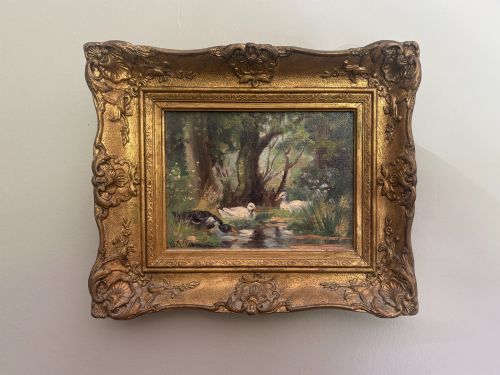
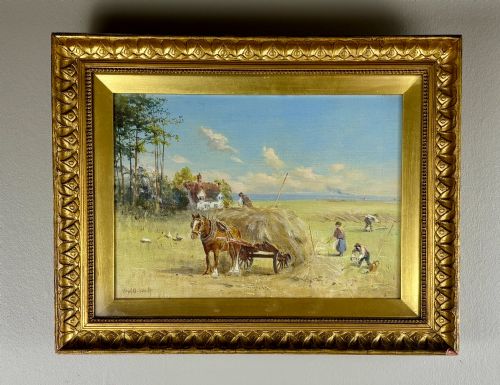
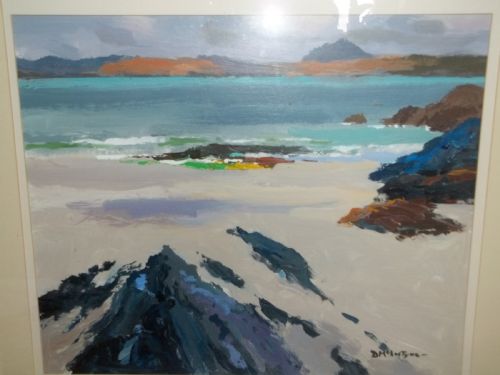
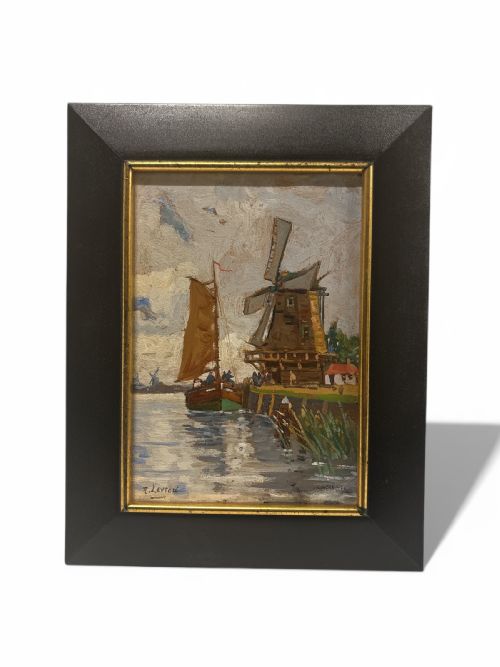
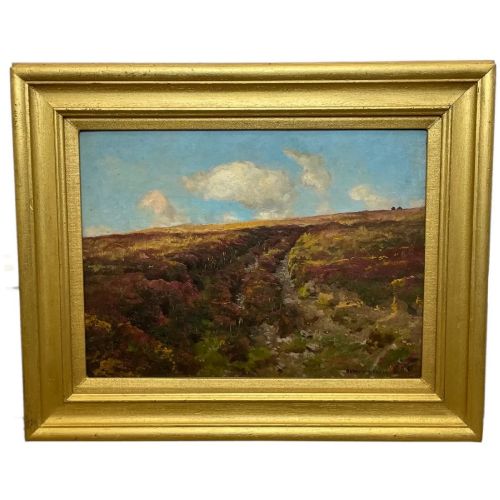
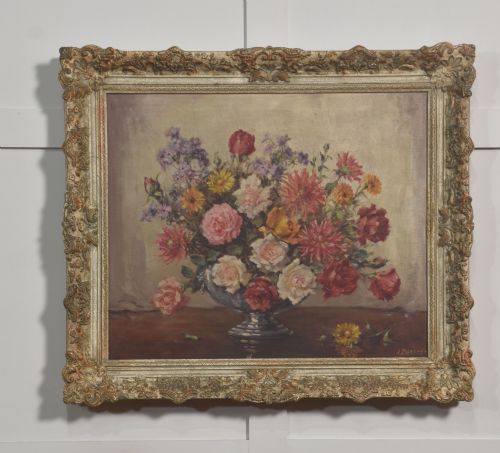
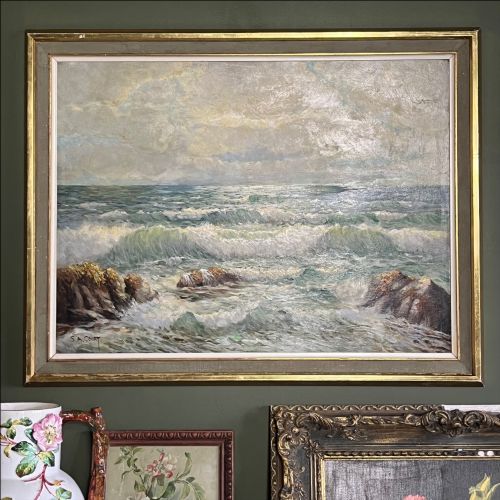
When you search for framed impressionist oil, you are looking at canvases and boards captured with light and pigment, housed in wood and gilt surrounds.
Framed Impressionist Oil
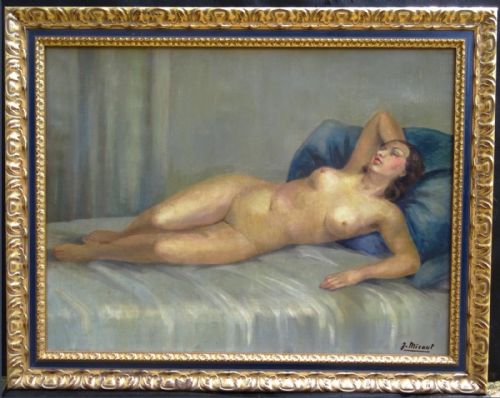
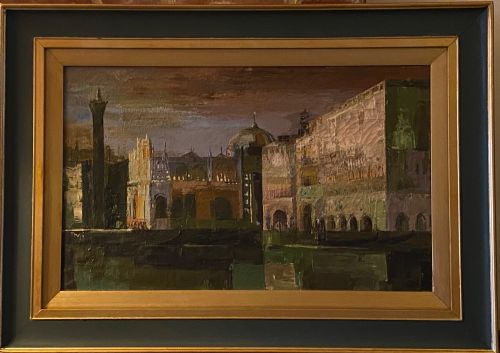
A framed impressionist oil brings together the immediacy of brushwork and the finished presentation of a period frame. These works capture light, landscape, and domestic scenes through the lens of impressionist and post-impressionist movements.
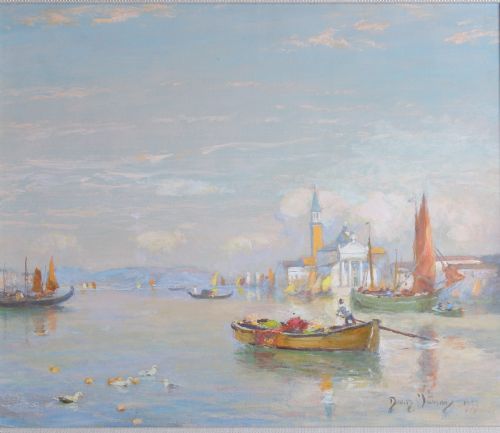
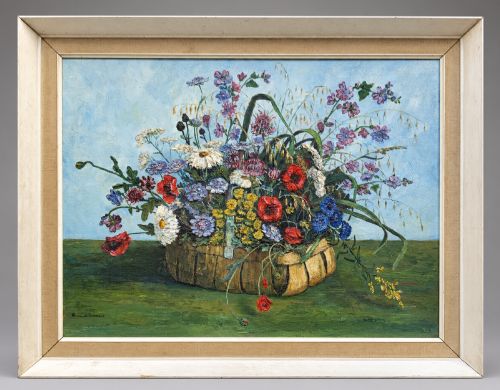
You will encounter pieces originating from the nineteenth century through the mid-twentieth century and later. Subjects range from marine landscapes and coastal views to floral still-lifes and pastoral scenes.
Many of these works arrive on canvas or board, often retained in their original or period-matched wooden frames. The selection spans British impressionism, continental European scenes, and modern British interpretations.
How they were made
Artists applied oil paint to stretched canvas or rigid wooden board, often working en plein air to capture transient lighting conditions. The brushwork relies on visible, confident strokes rather than smooth, blended finishes.
Surrounds typically consist of carved or moulded wood, frequently finished with gilt leaf or painted surfaces. These frames complete the presentation, protecting the edges of the canvas or board while providing historical context.
Several canvases capture cows, sheep, and sailboats, proving that artists loved farmyard wool and coastal wind just as much as grand portraits.
What varies in quality
Quality rests in the sureness of the brushwork and the harmony between the painted surface and its housing. Superior examples demonstrate a confident handling of light and atmosphere that draws the viewer into the scene.
The integrity of the frame also dictates overall merit. Original gilt wood surrounds that complement the palette and period of the painting elevate the piece far above later or mismatched replacements.
George Graham·Clifford Hanney·Arthur Wardle·Eugène-Louis Gillot·Kershaw Schofield·George Houston·Robert Morson Hughes·James Kay·Augusto Alberici·Gabriel Mathieu·Arthur Gué·Charles Houben·John Lübschitz·Antonio DeVity·Konstantin Stoitzner·Emma Fordyce MacRae·Charles Stuart Forbes·Eric Brown
The Framed Impressionist Oil Glossary
- En plein air
- Painting outdoors to capture natural light and direct observation. This method defines much of the impressionist approach.
- Post-Impressionism
- An artistic movement following impressionism that retains vivid colours and thick application while exploring more structured forms. Artists extended impressionist techniques into personal expression.
- Oil on board
- Pigment applied to a rigid wooden or composition panel rather than stretched fabric. This support provides a firm foundation for rapid brushwork.
Framed Impressionist Oil: Frequently Asked Questions
How should I clean a vintage frame?
Dust the wooden and gilt surfaces gently with a soft, dry brush to remove loose particles.
Avoid using water, liquid cleaners, or abrasive cloths, as these can strip the gold leaf or damage the underlying wood.
Where is the best place to hang these paintings?
Select an interior wall that receives indirect natural light to showcase the texture of the oil paint without causing fading.
Keep the piece away from direct heat sources like radiators and avoid damp areas such as unventilated bathrooms.
How do I date an oil painting?
Examine the materials of the canvas, board, and stretcher bars, alongside any signatures or inscriptions on the reverse.
Compare the style of the frame and the painting technique with documented periods like the early twentieth century or nineteenth century.
What is the difference between canvas and board?
Canvas is woven fabric stretched over a wooden frame, offering slight give under the brush.
Board is a rigid panel of wood or composite material that provides a completely firm surface for the oil paint.