



Antique Nocturnal Artwork
Antique nocturnal artwork captures the quiet of night through oil on canvas, charcoal and watercolour from the Victorian era onward.
Antique Nocturnal Artwork
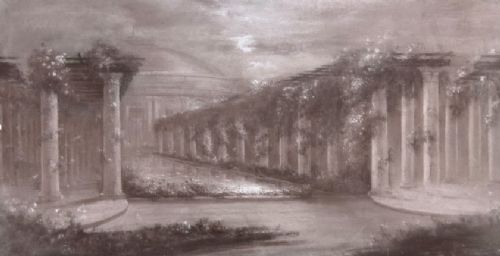
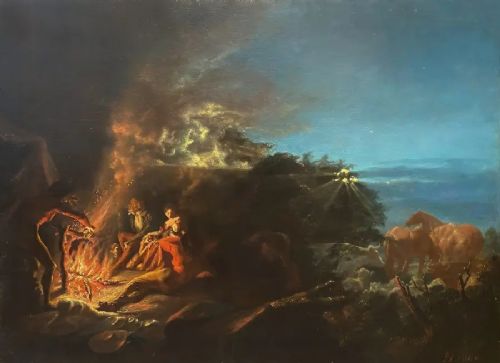
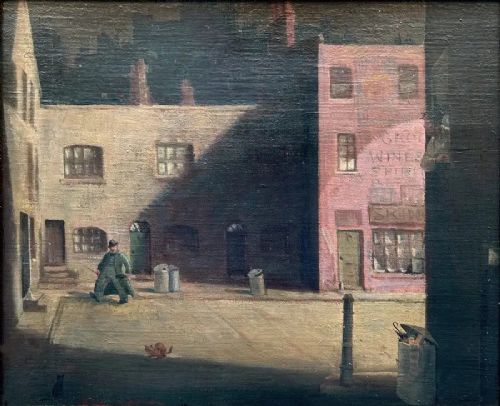
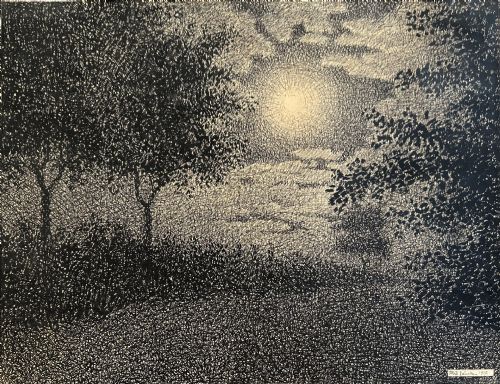
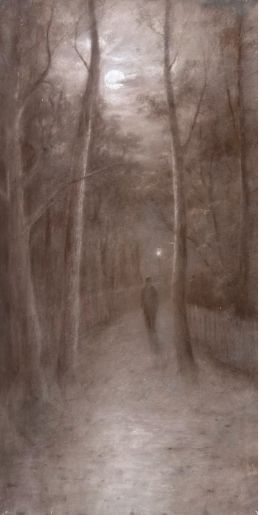
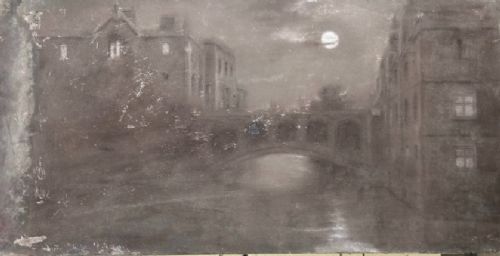
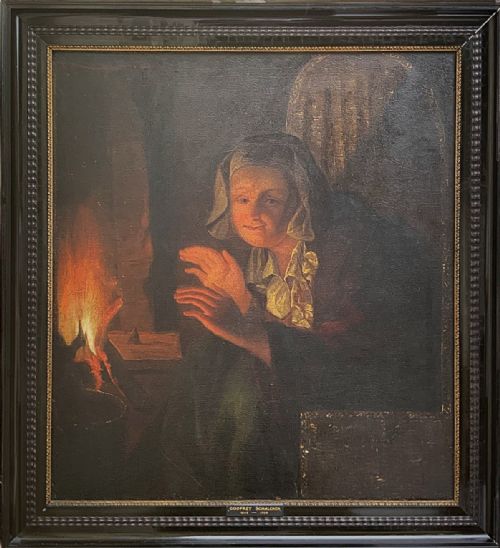
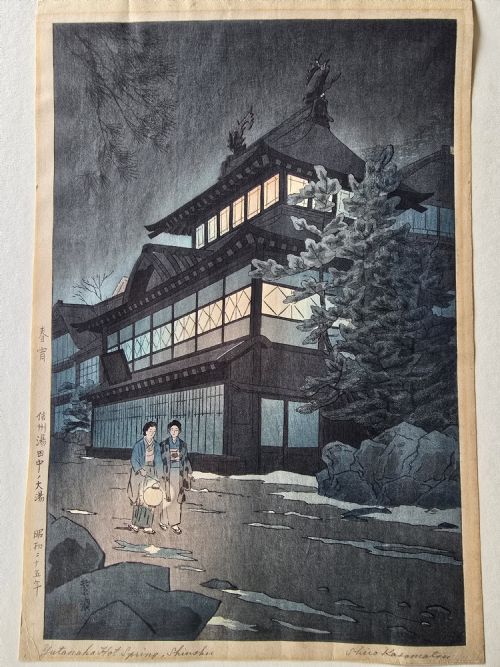
Antique nocturnal artwork comprises paintings, drawings and works on paper depicting night scenes, moonlight landscapes and seascapes. These pieces focus on the interplay of artificial light or moonlight against darkened skies and water, following styles such as Impressionism, Tonalism and the Hudson River School.
The selection on this page centres heavily on oil paintings and charcoal drawings from the nineteenth and early twentieth centuries. Pieces range from intimate depictions of British and European street scenes to dramatic coastal views and moonlit pastoral landscapes.
Materials and techniques
Artists built these night scenes using oil paint, charcoal, pastel, gouache and watercolour applied to canvas, paper or wood panels. Layers of dark pigments combined with touches of gilt and lighter tones to render the subtle effects of moonlight and shadow.
Framed works often utilise period wooden frames that complement the deep tones of the imagery. Draftsmanship relies on tonal contrast rather than bright palettes to convey the atmosphere after dark.
Materials in these listings include oil paint, charcoal, ink and watercolour on paper, canvas, wood and gilt supports.
What separates the finest pieces
Quality rests in the handling of light and atmosphere, where superior works capture the precise luminosity of moonlit water or streetlamps against deep shadows. Masterful tonal control distinguishes a compelling nocturne from a flat dark canvas.
Provenance and attribution also elevate certain works, particularly those linked to known circles, recognised nineteenth and twentieth-century painters, or distinct regional schools. The strength of the composition and the preservation of the original medium determine the standing of each piece.
Albert Bierstadt·Francisco Sancha·James Bell Anderson·Walter Meegan·William Samuel Horton·William Manners·George Cole·Owen Bowen·Hubert Thornley·Henri Joseph Harpignies
The Antique Nocturnal Artwork Glossary
- Nocturne
- A painting or piece of art depicting a night scene or inspired by the night. These works typically emphasise moody atmospheres and subdued palettes.
- Tonalism
- An artistic style where artists painted landscapes with an overall tone or haze, prominent during the late nineteenth and early twentieth centuries. This approach prioritized shadow and atmospheric depth over sharp detail.
- Gouache
- A type of water-based paint that dries to a dense, opaque matte finish. It is often used on paper alongside watercolour or ink.
- Works on paper
- An umbrella category encompassing drawings, watercolours, charcoals and pastels executed on paper supports. These pieces require careful framing behind glass to prevent deterioration.
Antique Nocturnal Artwork: Frequently Asked Questions
What periods do these night paintings cover?
The pieces span from the nineteenth century through the mid-twentieth century, encompassing Victorian, Edwardian, Regency and later twentieth-century production.
Styles range from traditional landscapes to early impressionist and tonalist interpretations of the dark.
How should I care for antique works on paper?
Works on paper, charcoal drawings and watercolours require protection from direct sunlight and high humidity to prevent fading and paper degradation.
Keeping them framed behind proper glazing preserves the integrity of the delicate mediums used.
What subjects are common in these artworks?
Common subjects include moonlit streets, coastal shipping scenes, rural landscapes at night, and romantic ruins under the moon.
Locales stretch across British, French, Dutch and American settings captured by various school painters.