
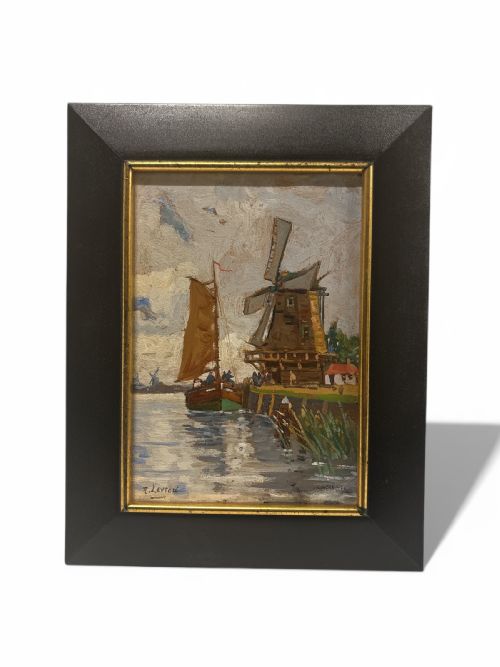
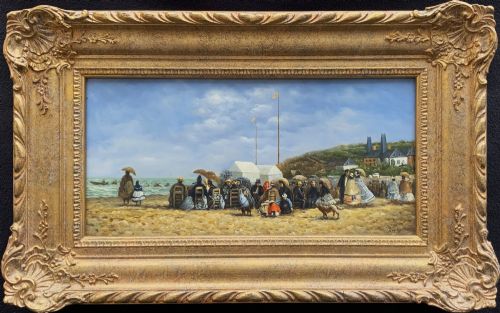


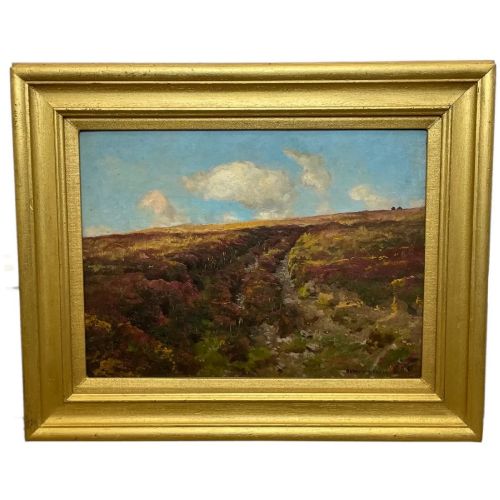
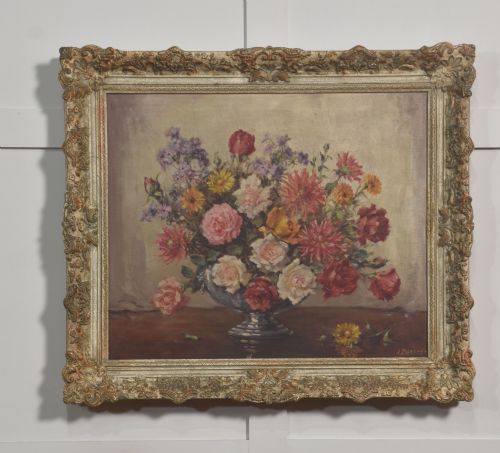


Framed Impressionist Art
Framed impressionist art brings together light-capturing brushwork and period frames, offering domestic spaces an immediate sense of atmosphere and history.
Framed Impressionist Art
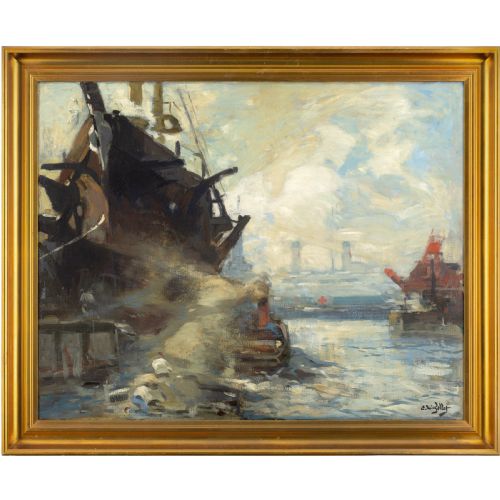
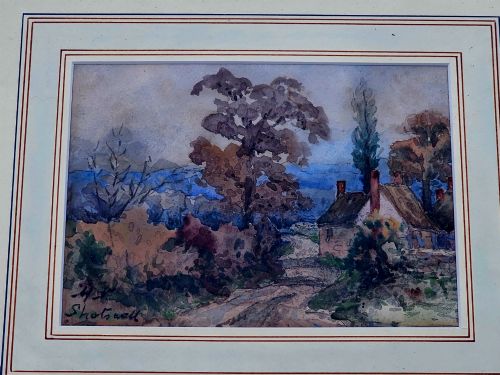
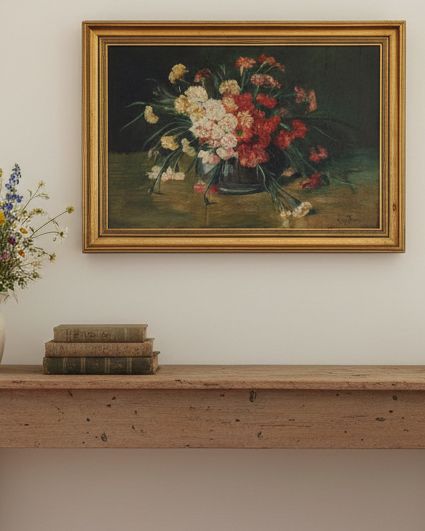
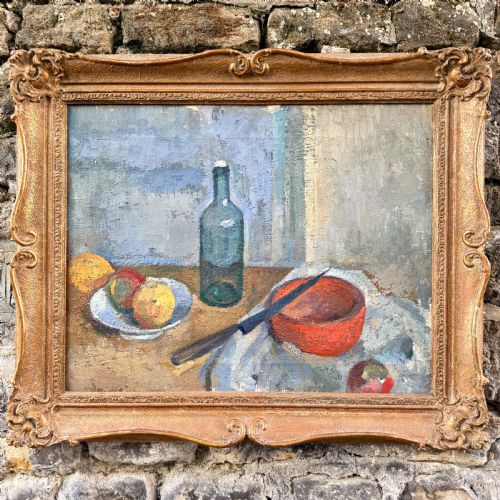
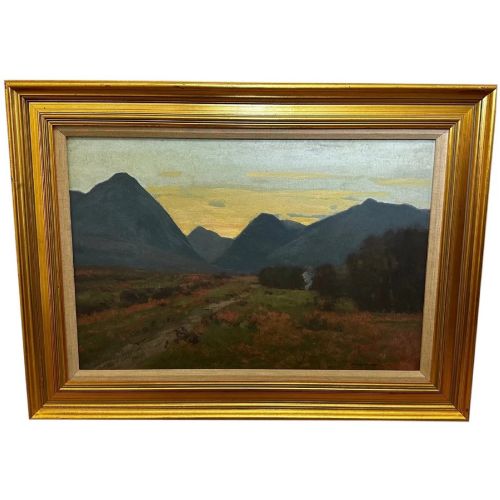
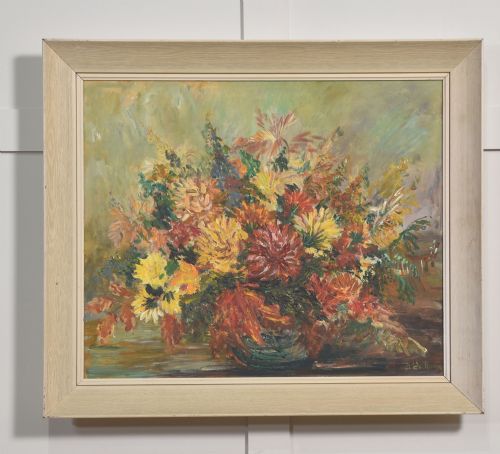
When you search for framed impressionist art, you encounter oil and watercolour paintings spanning the nineteenth century through the mid-twentieth century. The selection ranges from British and French scenes to Scandinavian realism, capturing landscapes, marine views, and still lifes.
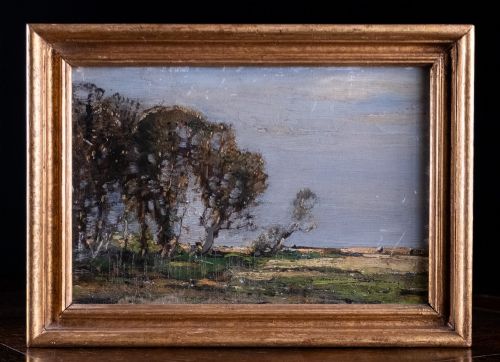
You are most likely to meet oil on canvas or board works produced during the early twentieth century and the interwar decades. These pieces typically arrive housed in period wooden or gilt frames that complement the looser brushwork of the movement.
Materials and construction
Artists painted directly onto canvas or prepared wooden boards using oil paint applied en plein air or in the studio. This medium allowed for visible, textured brushstrokes that recorded transient effects of light and weather.
The surrounding frames consist primarily of wood, frequently finished with a gilt layer. These housings provide structural support while framing the visual depth of the painted surface.
Listings span periods from the nineteenth century through the 1960s, utilising oil on canvas, board, and watercolour.
Distinctions in quality
Quality rests upon the confidence of the brushwork and the harmony between the painted composition and its frame. Stronger works demonstrate a deliberate handling of light and tone rather than a mechanical reproduction of a scene.
The integrity of the original support surface and the preservation of the pigment layer dictate the overall standard. Pieces that retain their early framing without heavy restoration offer a more complete historical object.
George Graham·Clifford Hanney·Arthur Wardle·Kershaw Schofield·George Houston·Robert Morson Hughes·James Kay·Augusto Alberici·Gabriel Mathieu·Arthur Gué·Henry Silkstone Hopwood·Charles Houben·John Lübschitz·Antonio DeVity·Clive Browne·Paul Bret·Konstantin Stoitzner·Emma Fordyce MacRae
The Framed Impressionist Art Glossary
- En plein air
- Painting outdoors to capture the actual and instantaneous effects of natural light upon a subject. This approach defined much of the impressionist method.
- Post-Impressionism
- An artistic development that extended impressionist techniques while rejecting its limitations, often emphasising more symbolic content or heavier outlines.
- Gilt wood
- Timber treated with a thin layer of gold leaf or metallic powder. It forms the decorative surface of many traditional picture frames.
- Board
- A rigid flat panel used as a painting support instead of stretched fabric. Artists frequently utilised these for smaller outdoor studies.
Framed Impressionist Art: Frequently Asked Questions
How do I date an impressionist painting?
Dating relies on stylistic markers, artist signatures, and the construction methods of the stretcher or support board. Exhibition labels and historical records on the reverse often provide precise temporal anchors.
Frame styles also offer clues, though many paintings were reframed decades after their initial creation. Comparing the pigment handling to known dated works by the same school remains the most reliable method.
Are these paintings on canvas or board?
Both mediums appear frequently across this selection of artworks. Canvas stretched over a wooden frame was standard for larger compositions intended for formal display.
Sturdy wooden boards were often preferred for smaller, spontaneous works painted outdoors. Both supports require stable environmental conditions to prevent warping or cracking of the paint layer.
How should I hang and light these pieces?
Position paintings away from direct sunlight and steady sources of heat to protect the oil pigments and wooden frames. Stable indoor humidity prevents the canvas from slackening or the wood from splitting.
Warm, low-output picture lights or directional wall washers highlight the textured brushwork without generating damaging ultraviolet radiation. Ensure the wall fixings match the weight of both the painting and its heavy gilt frame.
What is the difference between impressionism and post-impressionism?
Impressionism focuses primarily on the accurate recording of light, atmosphere, and transient visual moments using broken brushstrokes. The palette tends toward natural tones observed directly in the open air.
Post-impressionism builds upon those techniques but introduces a greater emphasis on geometric structure, expressive colour, and emotional resonance. Artists in this later bracket often moved away from strictly naturalistic representation.