




Framed Hunting Pictures
These framed hunting pictures capture the dynamism of equestrian pursuits, sporting hounds, and field sports through centuries of artistic tradition.
Framed Hunting Pictures
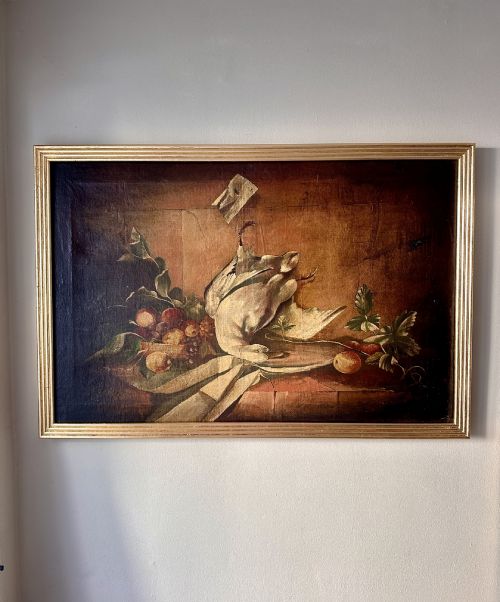
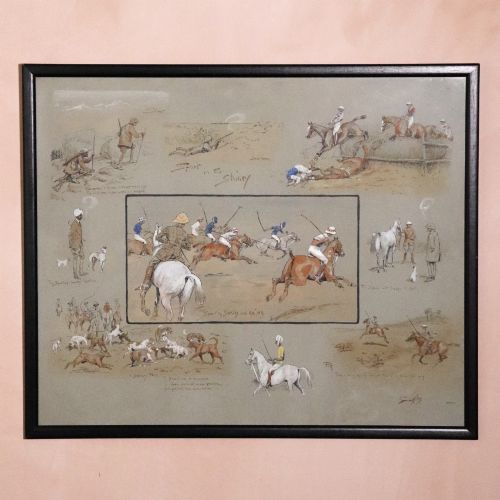
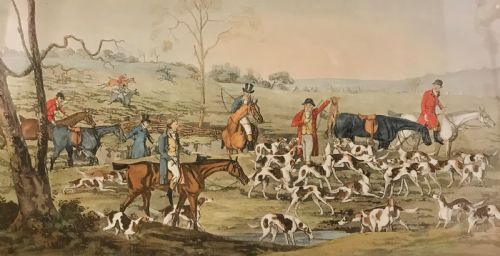
When you search for framed hunting pictures, you encounter a varied assortment of wall art documenting historical field sports, equestrian life, and rural pastimes. The selections range from detailed nineteenth-century engravings and hand-coloured lithographs to robust oil paintings on canvas and board.
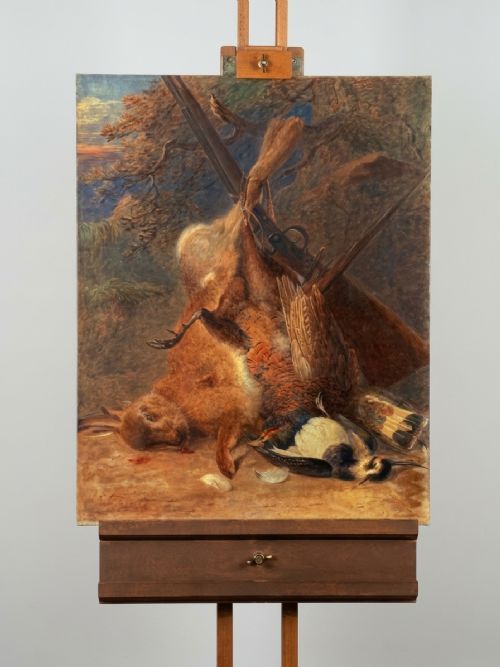
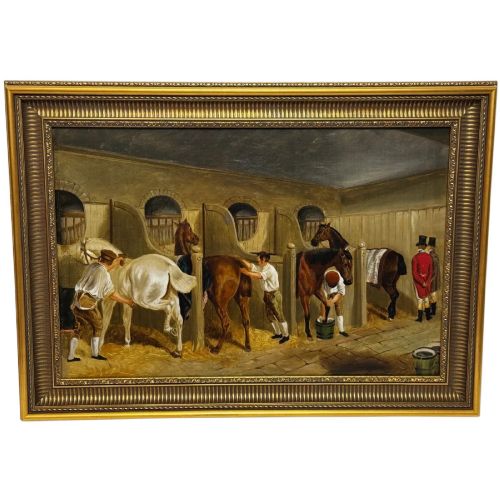
You are most likely to meet Victorian and Edwardian examples on this page, reflecting the height of British sporting art popularity. These pieces frequently depict mounted hunts, packs of hounds, and game scenes set within traditional wood and giltwood frames.
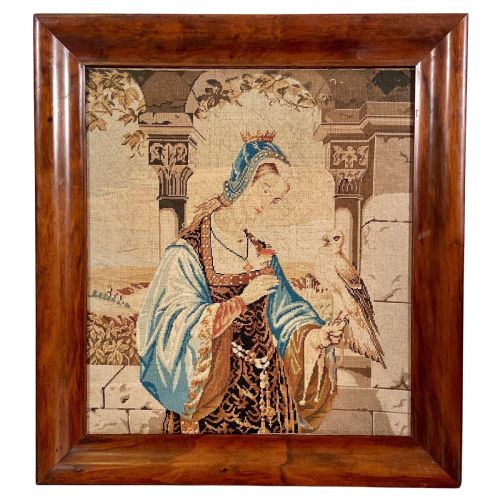
The assortment spans from seventeenth-century needlework and beadwork fragments to mid-twentieth-century prints and drawings. Each piece preserves a distinct aspect of rural heritage, offering a tangible connection to historical sporting practices.
Materials and Technique
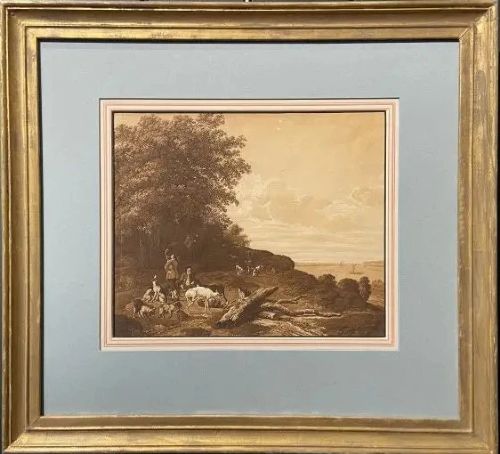
The works utilise traditional media including oil on canvas, delicate watercolours, bodycolour, pencil, and chalk. Lithographs and engravings employ paper supports, often enhanced with hand-colouring to bring vibrancy to the printed lines.
Textile pieces incorporate wool in embroidered tapestries and beadwork fragments, demonstrating meticulous needlework techniques. Reverse silhouette paintings on glass showcase specialised handcrafting methods that require precision and reverse application.
Frames play a structural and aesthetic role, constructed primarily from wood with gilt, giltwood, or plain wood finishes. These enclosures protect the delicate paper, canvas, or board while complementing the historical character of the artwork.
Watch for Jack Russell terriers fiercely guarding a trapped rat while horses and hounds look on from neighbouring frames.
Quality and Execution
The calibre of a piece rests upon the draughtsmanship and the artist's ability to render the anatomy of horses, hounds, and human figures with anatomical precision. Superior works demonstrate fluid brushwork or crisp printed lines that capture motion and atmosphere effectively.
Material preservation distinguishes finer examples, particularly in works on paper or delicate textiles where fading, foxing, or discolouration can diminish the visual impact. Original framing adds considerable merit, especially when the frame period aligns harmoniously with the artwork.
Provenance and attribution elevate certain pieces, notably when signed by established sporting artists or associated with notable hunts and historic estates. The depth of composition and the handling of light within landscapes further separate standard decorative prints from accomplished masterworks.
George Sydney Shepherd·Johannes Lingelbach·Benjamin Blake·John Arthur Lomax·Arthur Wardle·Samuel Raven·Michael Lyne·Colin Graeme Roe·Charles Faulkner·Basil Nightingale·John Sanderson Wells·Henri Schouten·Alfred Duke
The Framed Hunting Pictures Glossary
- Lithograph
- A printmaking process where an image is drawn onto stone or metal with a greasy medium and inked for transfer to paper. This technique allowed for the mass production of detailed sporting scenes during the nineteenth century.
- Bodycolour
- An opaque watercolour paint mixed with a white pigment to create a solid, matte finish. Artists used this medium to add highlights and rich density to works on paper.
- Giltwood
- Wood that has been coated with a thin layer of gold leaf or gold paint. It provides a luminous border commonly found on traditional frames from the Georgian and Victorian eras.
- Engraving
- A printmaking technique where an image is incised directly into a metal plate with a sharp tool. The resulting lines hold ink to produce sharp, durable impressions of hunting scenes.
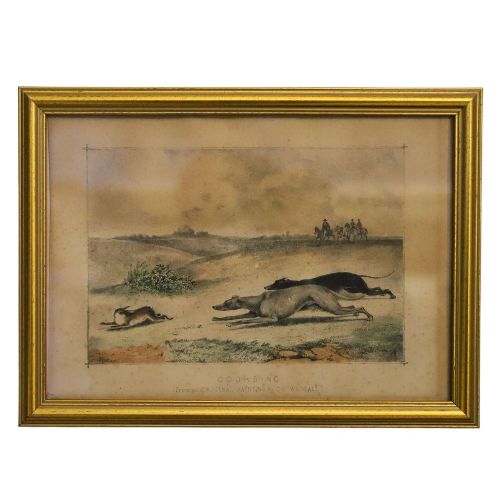
- Coursing
- The pursuit of game, such as hares, by hounds running by sight rather than scent. This subject frequently appears in nineteenth-century watercolours and prints.
Framed Hunting Pictures: Frequently Asked Questions
What periods do these pieces represent?
The selection spans several centuries, with the earliest examples originating in the seventeenth century through needlework and continental oil paintings. The majority date from the nineteenth and early twentieth centuries, capturing the peak of British sporting art.
Later twentieth-century prints and drawings also appear, demonstrating the enduring appeal of equestrian subjects. Each era brings distinct printing or painting techniques to the genre.
How were these artworks displayed historically?
Historically, hunting pictures adorned the walls of country houses, estate libraries, and sporting lodges. They served to celebrate regional packs, favourite horses, and memorable days in the field.
Framed in substantial wood or gilt surrounds, these works were intended to project status and a passion for rural pursuits. Today, they transition easily into domestic interiors seeking a traditional aesthetic.
Are the prints original or reproduction?
The listings feature original antique prints, lithographs, and engravings published during the eighteenth, nineteenth, and twentieth centuries. Many include hand-coloured details applied at the time of publication.
Checking the paper quality, printing impressions, and framing helps confirm the period authenticity of each item. These historic prints differ significantly from modern commercial reproductions.
How do I care for framed paper pieces?
Works on paper and watercolour require protection from direct sunlight to prevent fading of the pigments and yellowing of the paper stock. Maintaining stable indoor humidity levels prevents moisture damage and foxing.
Displaying pieces away from direct heat sources helps preserve the structural integrity of both the artwork and its historical frame. Professional framing with conservation-grade materials ensures long-term preservation.