
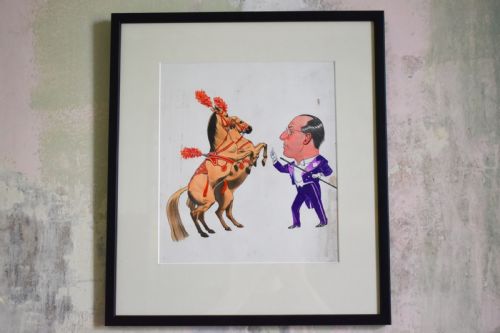


Framed Paper Equestrian Art
Framed paper equestrian art captures horses, riders and racing scenes behind glass in period wood.
Framed Paper Equestrian Art
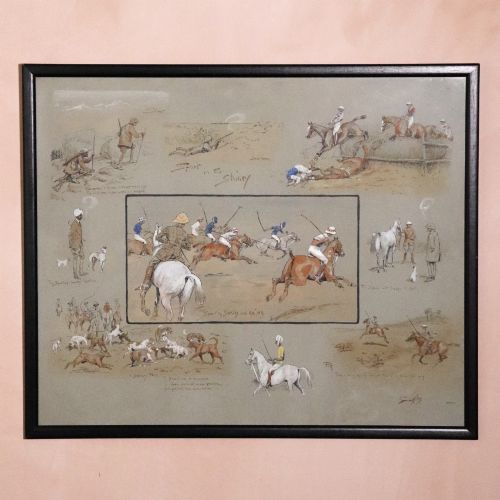
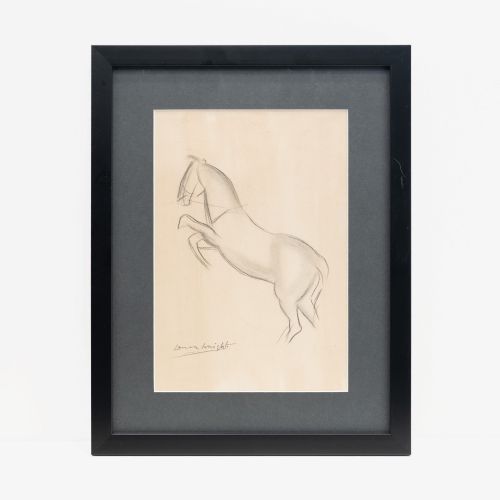
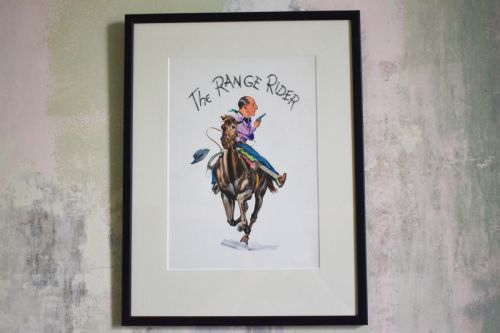
Buyers seeking framed paper equestrian art encounter a diverse array of watercolours, pastels, drawings and prints dedicated to horses and sporting life. These works span from Georgian and Victorian periods through the Edwardian era into the mid-twentieth century, recording hunting, racing and military subjects.
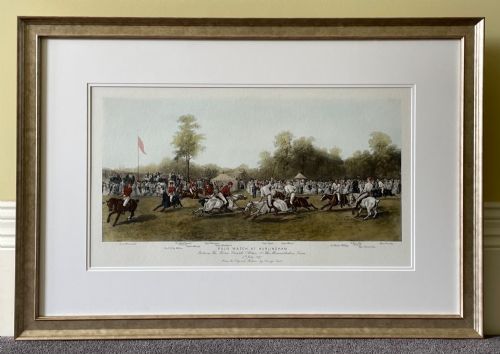
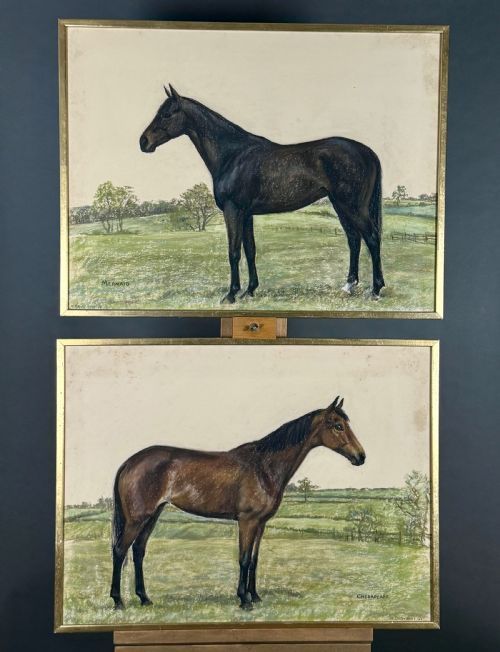
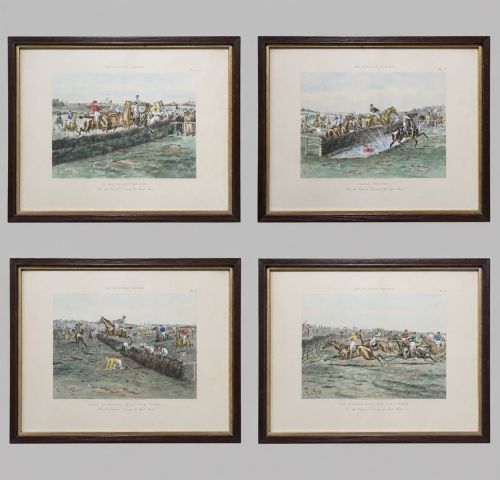
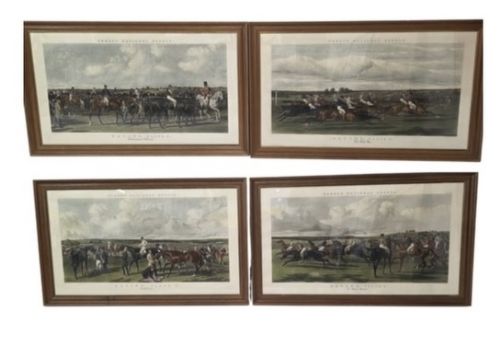
The pieces on this page appear in various formats, including individual watercolours, pairs of pastel studies, complete sets of four hunting engravings and large chromolithographs. Subjects range from detailed portraits of individual racehorses like Creeping Molly to dynamic polo matches and military cavalry scenes.
Originating from British, French, Dutch and German schools, these framed works showcase traditional techniques applied to paper supports. The grouping reflects centuries of artistic interest in equine anatomy, sporting spectacles and agricultural labour.
Materials and Techniques
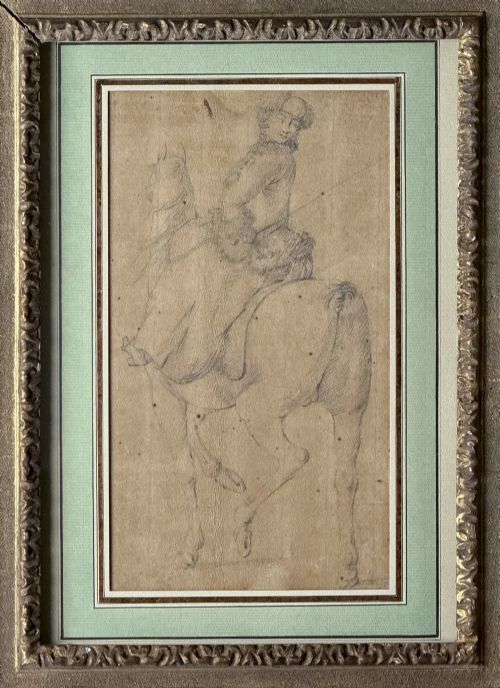
Artists working on paper relied on watercolour, pastel, graphite, ink and charcoal to capture the form and movement of horses. Hand-coloured engravings, aquatints and lithographs provided reproducibility for popular sporting subjects.
Works are typically presented within wood and gilt wood frames behind glass to protect the fragile paper base from moisture and atmospheric damage. Supporting materials include coloured paper sheets and card mounts that frame the composition.
The listings combine unique nineteenth-century watercolours with period lithographs and engravings on paper.
Distinctions in Quality
Quality rests upon the draughtsmanship of the artist and the vitality captured in the horse's anatomy and movement. Pieces by established painters and illustrators display a superior command of line and wash compared to anonymous decorative prints.
The preservation of the paper surface, the vibrancy of surviving watercolours or pastels, and the integrity of the original framing elements influence the standing of an individual piece.
George Finch Mason·Dame Laura Knight·John Rattenbury Skeaping·Anne Goldthwaite·Michael Lyne·John Augustus Atkinson·Helena Maguire·Thomas Mackay·Adrian Jones·John Sanderson Wells·Johan Noah Bemmel·Sam Howitt
The Framed Paper Equestrian Art Glossary
- Aquatint
- An intaglio printmaking technique that produces areas of tone resembling watercolour washes. It was frequently utilised for sporting prints and horse racing scenes.
- Chromolithography
- A planographic colour printing method that builds up multiple inked layers to create a rich image. It produced vibrant Victorian book plates and wall art.
- Pastel
- A dry medium composed of powdered pigment and a binder, applied directly to paper. It yields velvety textures suitable for detailed animal studies.
- Lithograph
- A print produced from a flat stone or metal plate treated to repel ink except where desired. The process allowed artists to reproduce drawings and watercolours faithfully.
Framed Paper Equestrian Art: Frequently Asked Questions
What periods do these pieces date from?
The selection spans from the early eighteenth century through the Victorian and Edwardian periods up to mid-century modern works.
Most items originate from the nineteenth and early twentieth centuries, reflecting the peak of British sporting art production.
How should I hang paper art?
Framed paper works require protection from direct sunlight to prevent the fading of watercolours, inks and tinted papers.
Keep them away from damp environments to safeguard both the paper support and the wood or gilt frames.
Are these works original or prints?
The listings include both unique hand-drawn or painted works on paper and original period prints.
Categories are specified in each title, distinguishing original watercolours and pastels from period engravings, lithographs and aquatints.