



Framed Hunting Engravings
Framed hunting engravings bring the energy of the field directly to the wall through traditional sporting imagery.
Framed Hunting Engravings
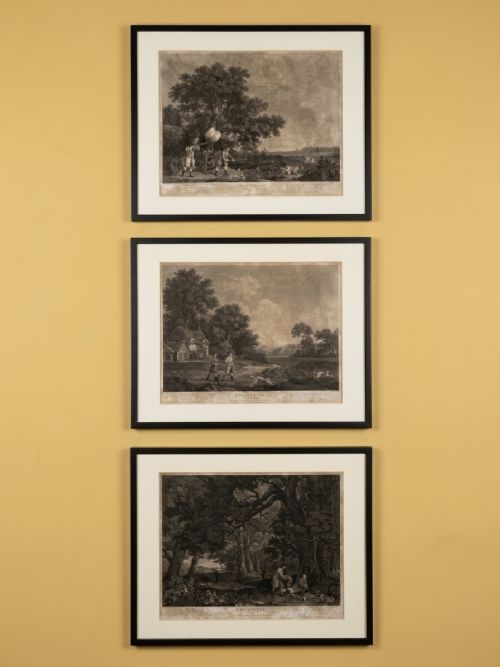
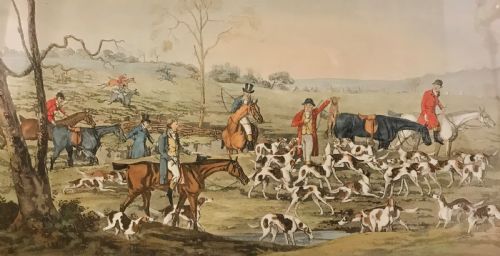
Framed hunting engravings capture traditional rural pursuits across eighteenth and nineteenth century subjects. These works depict equestrian chases, shooting scenes, and landscape hunts in mounted formats.
The selections span English and French schools, ranging from single large plates to matched sets of four. Victorian, Regency, and Georgian periods supply the core of these subjects.
Framed artwork presentations protect delicate paper surfaces behind glass within wood or giltwood surrounds. These pieces function as historical records of sporting art and interior decoration.
How they were made
Makers applied ink to engraved metal plates to transfer fine lines onto paper sheets. Artisans occasionally added watercolour pigment by hand to highlight the printed details.
Framing involved protective glass mounted inside timber mouldings, sometimes finished in gilt or giltwood. These assemblies preserved the paper prints for display on interior walls.
Framed Hunting Engravings Retail Price Guide 2026
Typical asking prices for framed hunting engravings among the pieces listed under this phrase on Sellingantiques today, from the lower quarter to the upper quarter. They describe what is for sale here now, not the wider market.
Listings feature paper, ink, and watercolour supported by wood, glass, and giltwood frames across Georgian, Regency, and Victorian periods.
What varies in quality
Print clarity and the precision of the ink impression distinguish finer plates from worn impressions. Crisp lines indicate an early strike from the engraved metal plate before wear occurred.
The application of hand colouring affects the visual depth of the composition. Skilled tinting enhances the printed landscape and figures without obscuring the underlying engraving.
C de Falens·Charles Hunt·Francis Calcroft Turner·J F Herring·H Alken
The Framed Hunting Engravings Glossary
- Engraving
- A printmaking technique where an artist cuts lines into a metal plate to hold ink. The inked plate transfers the image onto paper under pressure.
- Hand coloured
- A print embellished with watercolour applied by brush after printing. This process adds specific hues to equestrian coats and landscape foliage.
- Giltwood
- Wood carved and finished with a thin layer of gold leaf. It provides a bright reflective border for traditional framing.
- Sporting art
- Artwork dedicated to equestrian sports, shooting, and the hunt. These subjects formed a major genre in eighteenth and nineteenth century British and French visual culture.
Framed Hunting Engravings: Frequently Asked Questions
Are these prints original period pieces?
The listings include eighteenth and nineteenth century works from Georgian, Regency, and Victorian periods. Each print reflects the printing technology and artistic style of its era.
Paper, ink, and framing materials correspond to these historical periods rather than modern reproduction methods.
How should I hang these framed prints?
Display these works away from direct sunlight to protect the paper and any hand applied watercolour from fading. Stable indoor humidity prevents warping in the wood and giltwood frames.
Secure wall fixings are necessary to support the weight of the glass, timber frame, and paper artwork safely.
Do these engravings come as sets?
Several listings offer matched sets of four prints depicting sequential scenes of the chase or shooting events. Pairs and single large framed plates also appear among the selections.
Sets maintain a uniform visual style and framing format across the group.
What framing materials are used?
Pieces utilise wood, gilt, and giltwood surrounds to enclose the paper prints beneath protective glass. These traditional frames complement the historical nature of the artwork.
Mouldings vary from simple timber profiles to ornate gilt finishes depending on the period.