
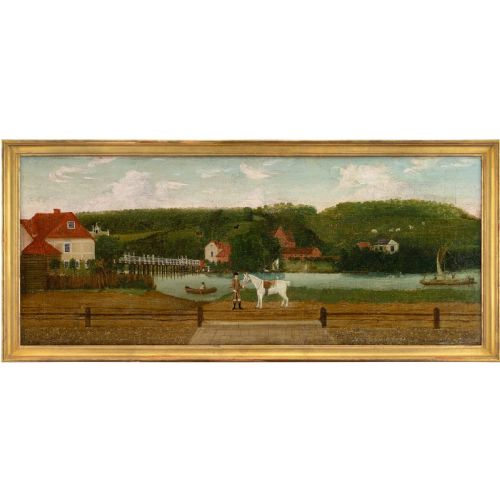
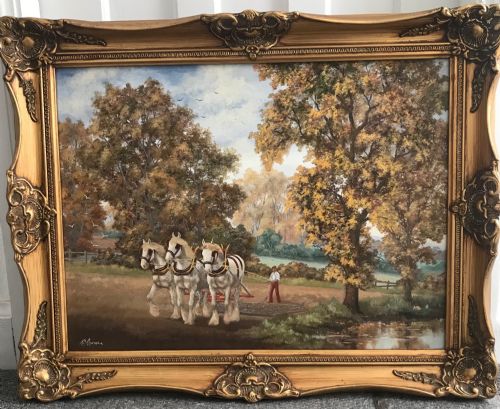
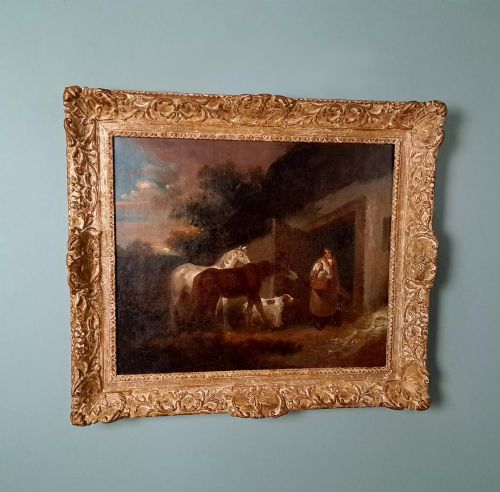
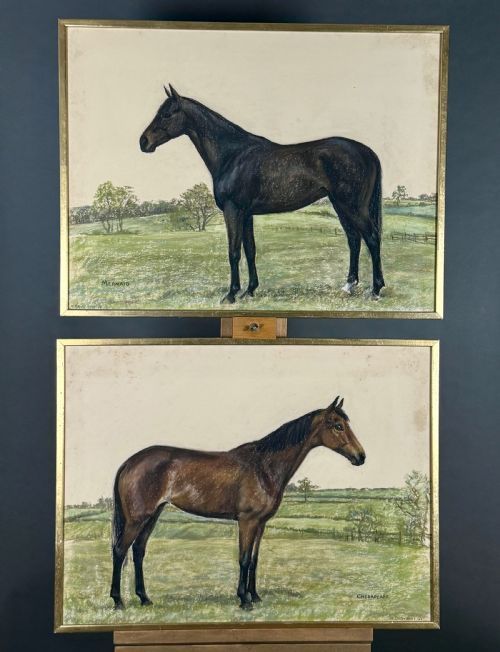


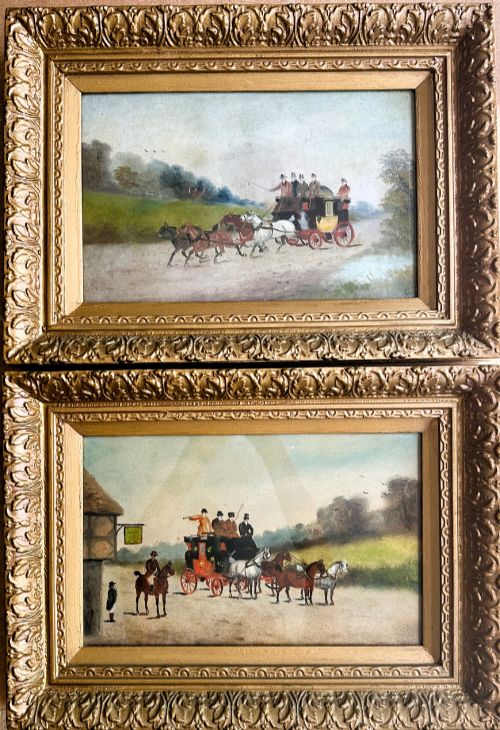

Framed Horse Landscape Painting
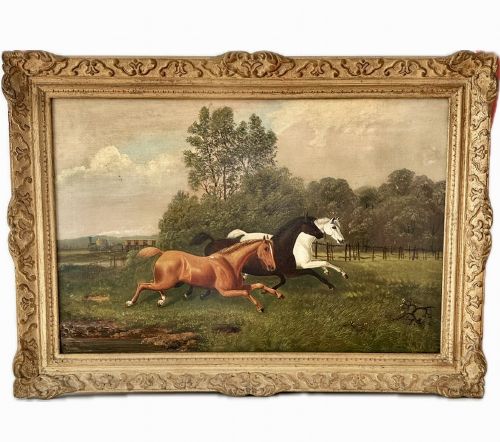
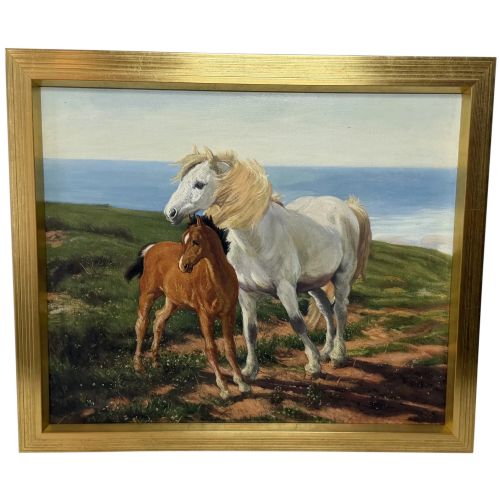
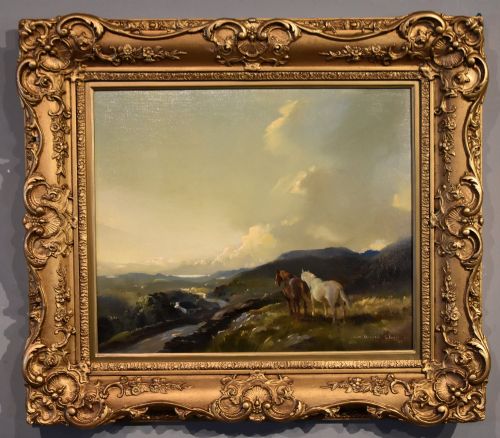
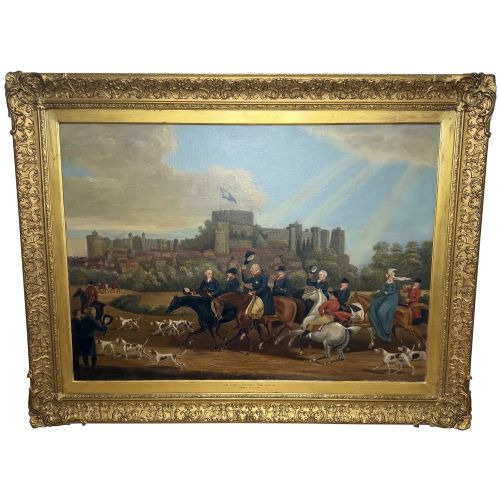
A framed horse landscape painting brings the movement and stillness of rural history directly onto the wall.
Framed Horse Landscape Painting
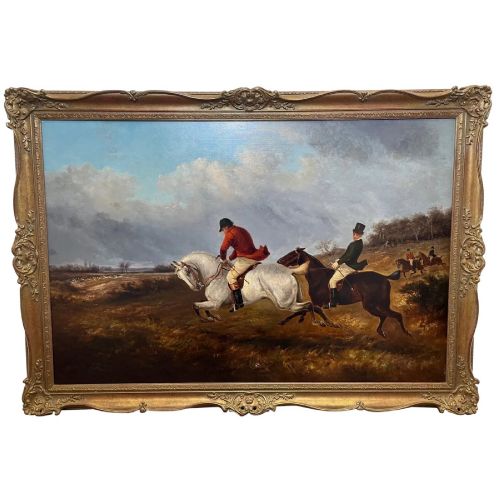
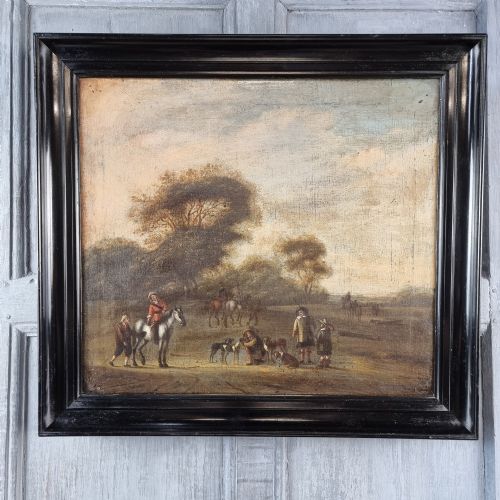
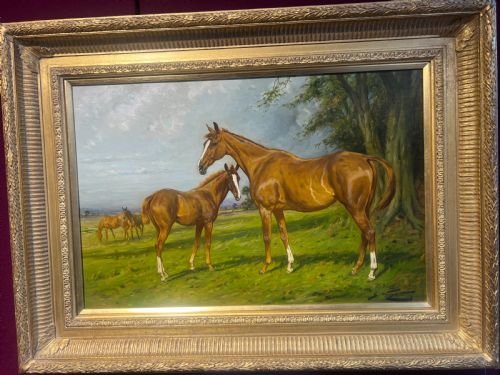
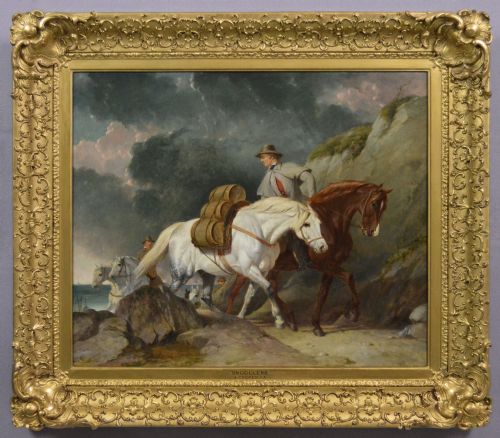
A framed horse landscape painting combines equine subjects with expansive rural or coastal scenery, anchored by periods ranging from the Georgian era through the Victorian epoch and into the mid-twentieth century.
Buyers encounter works executed in oil on canvas, oil on board, and watercolour on paper, often set within original wooden or giltwood frames that complete the composition.
The subjects span quiet pastoral scenes with ploughing horses, bustling coaching scenes, hunting meets, and maritime paths, reflecting British and continental traditions.
Materials and Technique
Artists utilised oil paint and watercolour applied to canvas, wood panels, or heavyweight paper to capture the rich textures of horse coats and rural landscapes.
Canvases and panels sit inside timber frames, frequently finished in gilt wood or gesso, which provide structural support and historical context.
Several canvases capture horses sharing the landscape with steam locomotives, documenting the exact moment steam engines met traditional horse power.
Assessing Quality
Quality rests upon the artist's command of equine anatomy and the natural integration of the animal into the surrounding topography and light.
The harmony between the painting and its period frame influences the overall integrity of the piece.
William Joseph Shayer Senior·Thomas Smythe·Abraham Cooper RA·John Ferneley Senior·John Frederick Herring Jnr
The Framed Horse Landscape Painting Glossary
- Giltwood
- Wood carved and coated with a thin layer of gold leaf or metal powder. This finish is typical of traditional frames found on nineteenth-century canvases.
- Equestrian
- Pertaining to horses and horse riding. In these works, the term describes portraits and action scenes featuring horses as the primary focus.
- Oil on Canvas
- Pigment mixed with drying oil applied to stretched woven fabric. This medium allows for deep colour saturation and gradual blending.
- Watercolour
- Pigments suspended in a water-based solution applied to paper. It yields transparent washes and delicate tonal shifts.
Framed Horse Landscape Painting: Frequently Asked Questions
How do I hang a heavy framed oil painting safely?
Ensure the wall fixings engage directly with wooden studs or use appropriate masonry anchors. Heavy frames require sturdy picture wire and robust D-rings secured firmly to the wooden stretcher bars.
Position the centre of the canvas at standard eye level to achieve a balanced display. Avoid placing the painting in areas subject to direct sunlight or damp conditions.
What is the difference between oil on canvas and watercolour?
Oil paint uses a drying oil binder, allowing for thick impasto textures and deep, reworkable layers on a woven fabric support. Watercolour relies on water-soluble binder applied to paper, producing luminous, translucent washes.
Oils are traditionally displayed under open air within robust frames, whereas watercolours require glass protection to shield the paper from atmospheric moisture.
How do I identify the period of a frame?
Moulding profiles, corner construction methods, and the composition of the gesso layer reveal the manufacturing era. Hand-carved wooden corners and genuine gold leaf typically indicate nineteenth-century or earlier craftsmanship.
Later replacements often display uniform machine moulding or synthetic gilding compounds. Inspect the reverse of the frame for maker stamps and old collection labels.