
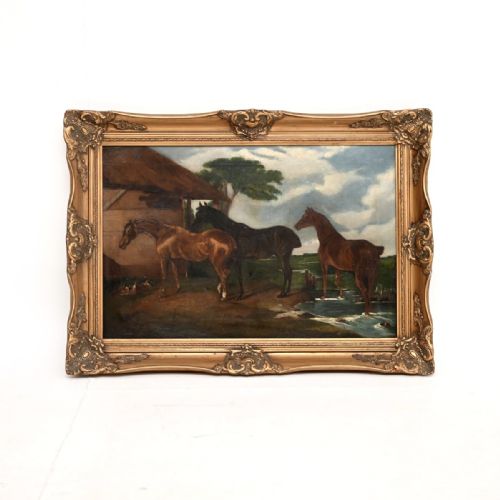


Georgian Horse Portrait
A georgian horse portrait captures the spirit and form of valued animals through traditional oil paintings, drawings, and prints.
Georgian Horse Portrait
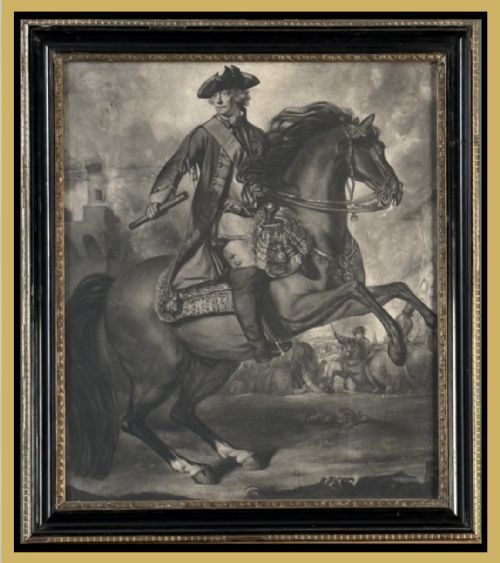
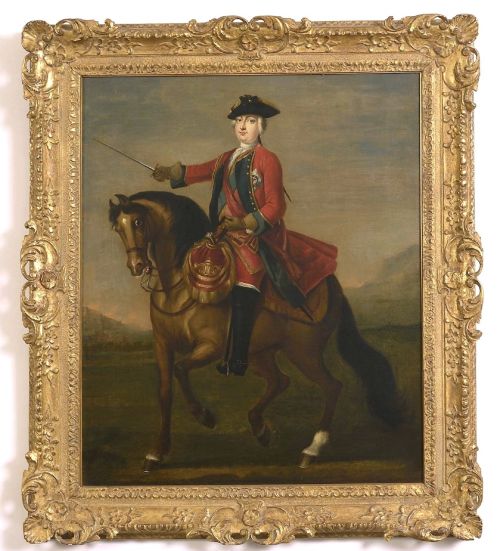
A georgian horse portrait focuses on the depiction of notable animals, often shown in landscapes, stables, or alongside grooms and military figures. These works span the eighteenth and nineteenth centuries, reflecting the era's deep cultural connection to equestrian pursuits and sporting art.
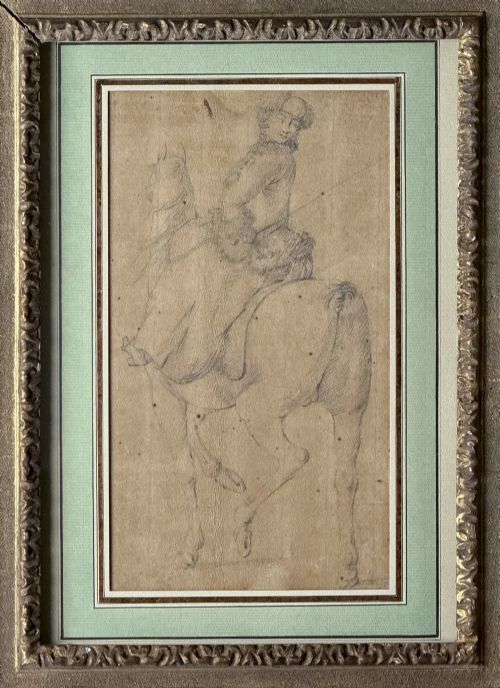
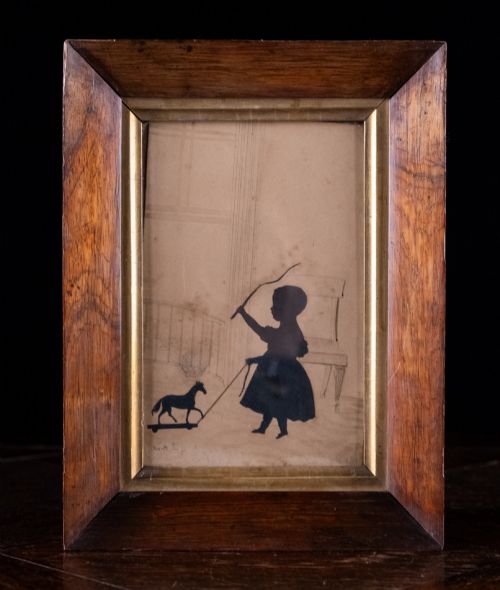
Buyers will encounter various formats on this page, predominantly oil paintings on canvas or panel alongside framed prints, ink drawings, and silhouettes. The pieces range from intimate studies by Northern European masters to larger sporting works executed by known British painters.
Materials and methods
Artists utilised oil on canvas and pine panel to build rich, layered depictions of horses, often applying gold leaf within framed presentations. Paper and ink also served as mediums for detailed drawings, silhouettes, and mezzotints produced by printmakers.
Framing materials such as giltwood complemented the works, while glass protected delicate paper drawings and silhouettes from environmental damage over the centuries.
Several horses captured in these historical portraits retain their nineteenth-century racing names, preserving the identities of forgotten champions.
Quality factors
Quality rests in the anatomical accuracy of the horse, the depth of the landscape, and the skillful handling of light within oil paintings and drawings. Works executed by documented artists or skilled contemporary practitioners display superior handling of form and atmosphere compared to simpler studio copies.
The preservation of the original medium, whether oil on canvas or paper on panel, dictates the visual strength of the piece. Intact framing, such as period giltwood, further influences the overall integrity of the surviving artwork.
Edward Fisher·Sir Joshua Reynolds·John Wootton·Thomas Hudson·Augustin Edouart·William Williams·Abraham Cooper·Clifton Tomson·Johan Noah Bemmel·John Nost Sartorius·James Barenger·William Shayer Snr·Harry Ashby
The Georgian Horse Portrait Glossary
- Mezzotint
- A printmaking process of the scraperboard family, allowing halftones and tonal variations to be produced without line work. It creates dark, velvety backgrounds that suit portraiture.
- Eglomise
- A technique where gold or silver leaf is applied to the reverse side of glass and then etched or painted. This creates a reflective, decorative border often used in framing historical prints.
- Silhouette
- A solid black profile portrait cut from paper or drawn in ink, often mounted on a contrasting background. These provide direct likenesses without relying on internal facial details.
- Pinxit
- A Latin term meaning he painted it, historically used on canvases or signatures to denote the artist. It frequently appears alongside historical signatures on eighteenth-century panels.
Georgian Horse Portrait: Frequently Asked Questions
What subjects appear in these portraits?
The works depict named horses, hunters, stallions, and mares, often placed within open landscapes, stables, or alongside grooms and military figures. Certain pieces also record specific historical animals associated with notable owners.
Animals appear alone or in detailed working environments that reflect contemporary rural and military life during the eighteenth and nineteenth centuries.
How do I identify the period of a work?
Dating relies on stylistic markers within the clothing, landscape conventions, and framing materials typical of the eighteenth and nineteenth centuries. Signatures, inscriptions, and recorded painting techniques also help place the piece within a specific decade.
Examining the reverse of panels or canvases often reveals historical labels, titles, or attribution notes left by previous collectors and dealers.
How were these artworks displayed historically?
Portraits of valued horses hung in country houses, estate offices, and private reception rooms to celebrate successful bloodlines and sporting achievements. Owners commissioned them to record prized animals in the same manner as human family members.
Framed prints and smaller drawings were often kept in portfolios or displayed in intimate studies alongside broader collections of sporting art.
How do I care for antique paintings?
Protect oil paintings and paper works from direct sunlight and fluctuating humidity to prevent the canvas from cracking or paper from yellowing. Keeping them in stable indoor environments preserves the integrity of the original materials.
Dust frames gently with a dry cloth and avoid applying chemical cleaning solutions to the painted surfaces or historic giltwood surrounds.