


Framed Horse Canvas Art
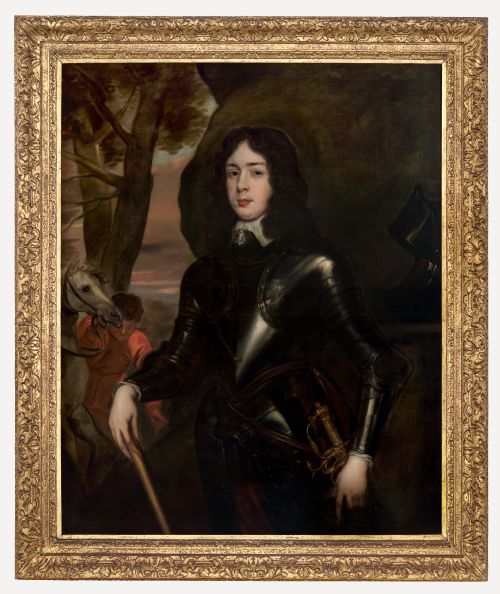
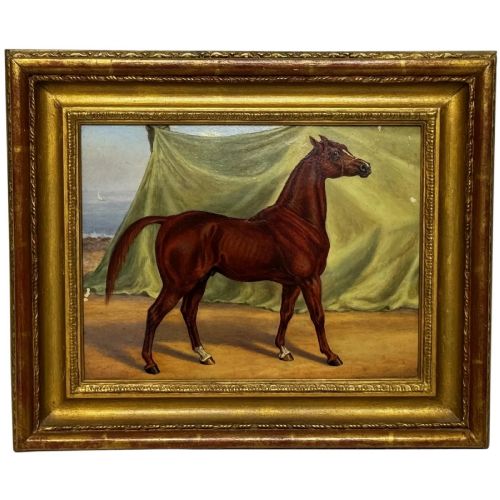
Framed horse canvas art brings together historic equestrian portraiture and sporting scenes rendered in oil paint.
Framed Horse Canvas Art
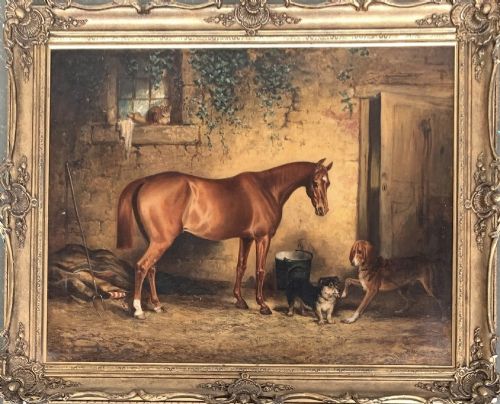
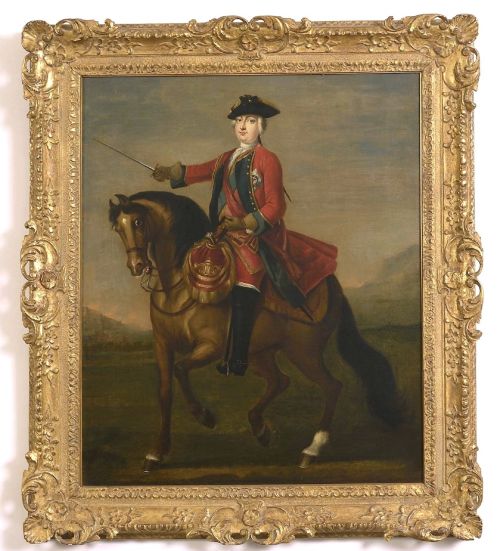
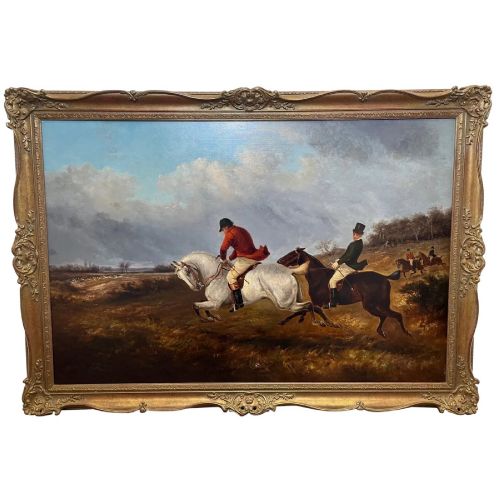
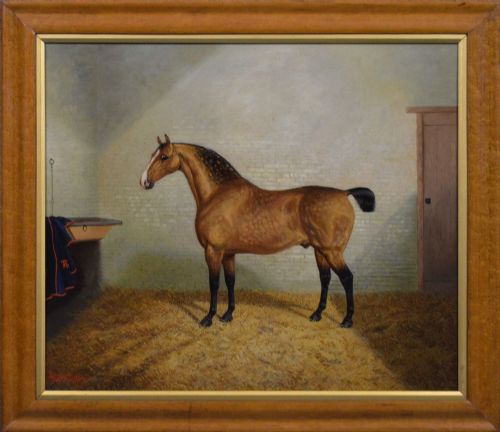
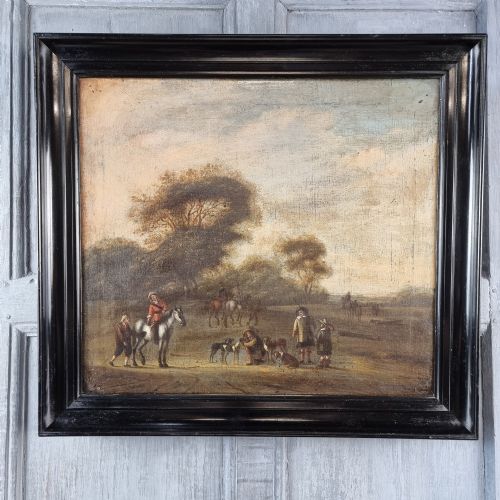
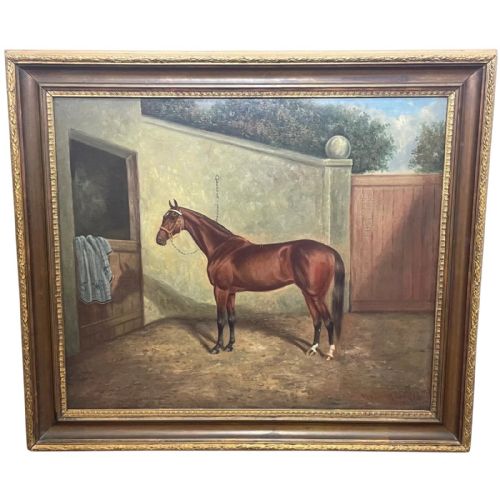
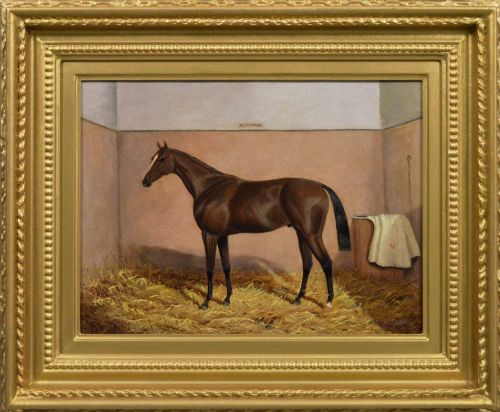
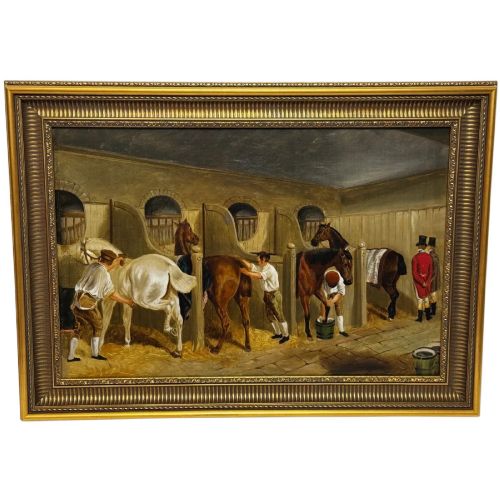
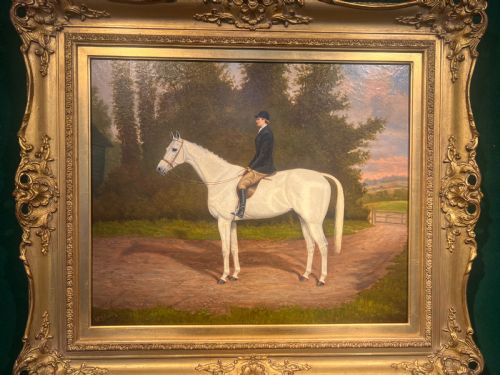
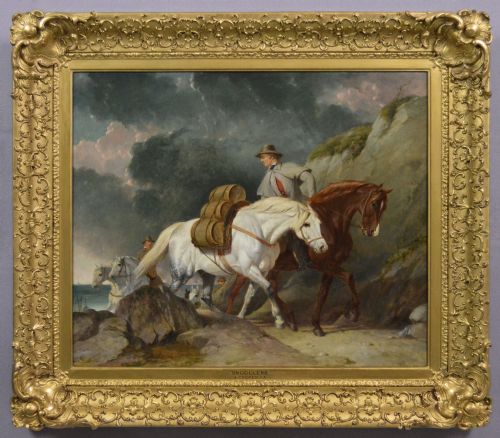
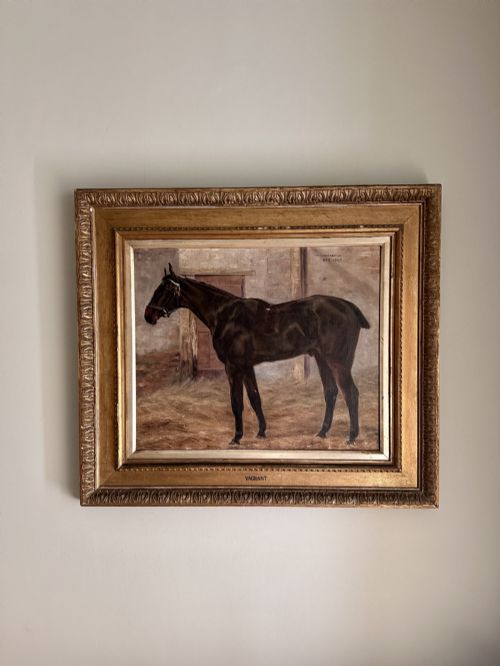
A search for framed horse canvas art leads directly to oil paintings on canvas depicting equines, ranging from individual portraiture of famous racehorses to broader rural and hunting scenes. These works capture animals in stables, fields, and racing environments, reflecting the long-standing British and European tradition of animal painting.
The pieces encountered most frequently span from the nineteenth century into the mid-twentieth century, encompassing Victorian sporting art, Edwardian studies, and mid-century provincial works. Common subjects include hunters, shire horses ploughing fields, racehorses with jockeys, and ponies in landscape settings.
Compositions vary from intimate head studies of named horses to large-scale narrative paintings involving riders, hounds, and estate backgrounds. The framing typically consists of period wood or giltwood surrounds that complement the canvas.
Materials and Technique
The physical foundation of these pieces relies upon oil paint applied to stretched woven canvas. Artists utilised traditional pigments and oils to build up depth in the animals' coats, landscapes, and architectural backgrounds.
Stretcher frames provide the internal structural support for the canvas, while exterior frames are constructed from carved wood or moulded giltwood. Guild techniques of the nineteenth and twentieth centuries dictated the gilding and ornamentation of these surrounds.
Many nineteenth-century horses had better hair care than their owners.
Evaluating Quality and Execution
Quality in these equine paintings rests upon the anatomical accuracy and understanding of horse conformation demonstrated by the artist. Master painters capture muscle structure, movement, and light on the coat with precision, whereas lesser works display stiff proportions and flat handling.
The treatment of the surrounding landscape and atmospheric perspective further distinguishes the tier of execution. Finer canvases integrate the animal naturally into its environment with confident brushwork, while lower-tier pieces rely on formulaic foliage and static backgrounds.
Henry Barraud·Thomas Smythe·Albert Clark·Abraham Cooper·John Ferneley Senior
The Framed Horse Canvas Art Glossary
- Oil on Canvas
- A painting medium where pigments suspended in drying oils are applied to a woven fabric support. This combination allows for rich colour blending and textured brushwork.
- Giltwood
- Wood that has been coated with a thin layer of gold leaf or gilt powder. It is commonly found on the decorative frames enclosing period artworks.
- Equine Portrait
- An artwork specifically commissioned or created to record the likeness of a particular horse. These often include the animal's name, lineage, or notable racing achievements in the title or documentation.
- Sporting Art
- A genre of painting dedicated to depictions of rural sports, hunting, racing, and animals associated with field sports. It flourished in Britain throughout the eighteenth, nineteenth, and twentieth centuries.
Framed Horse Canvas Art: Frequently Asked Questions
How do I identify the age of the canvas?
Dating relies upon examining the preparation of the canvas, the style of the stretcher frame, and the ageing of the oil paint itself. Croupiers, tack styles, and artist signatures also offer chronological markers.
Secondary clues include the framing technique and any inscribed writing or labels on the reverse of the stretcher bars.
Where were these paintings originally displayed?
Historic equine art typically hung in country houses, estate offices, and the residences of racehorse owners or hunting enthusiasts. They served as records of prized possessions, sporting victories, and rural property.
Later works found homes in suburban parlours and provincial galleries as the market for British sporting art widened.
How should I hang a canvas safely?
Canvas paintings require stable wall fixtures that support the weight of the outer frame without straining the internal stretcher. Secure picture wire or D-rings attached to the wooden frame ensure even weight distribution.
Avoid placing pieces in direct sunlight or above active heat sources to prevent the canvas and paint from drying out or warping.
What distinguishes a racing portrait from a farm scene?
Racing portraits usually feature named thoroughbreds alongside jockeys in specific racing silks, often accompanied by event titles or winning dates. They focus on speed, lineage, and competition.
Farm scenes and landscape works instead depict working shires, cart horses, or ponies engaged in agricultural labour or grazing quietly within rural vistas.