

Framed History Painting
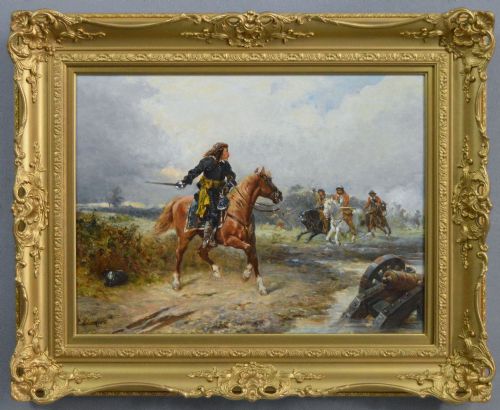
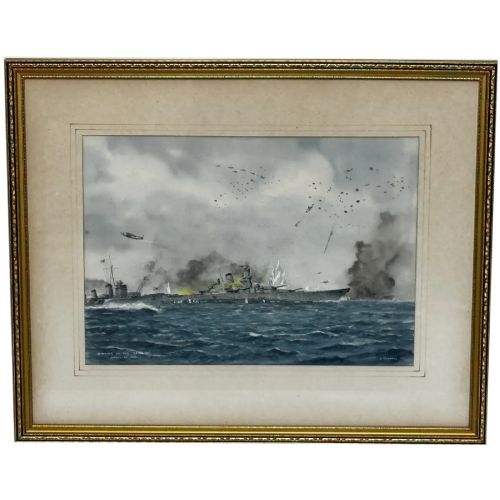
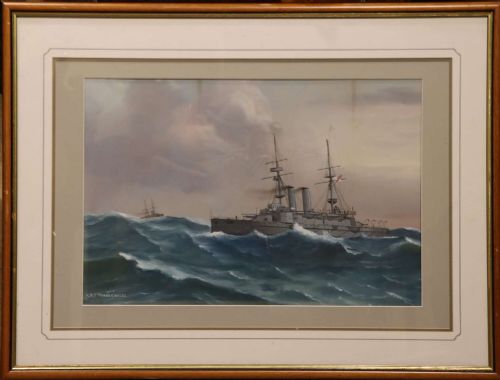
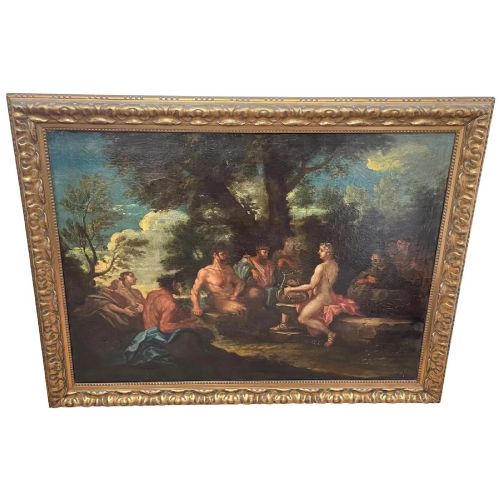
Framed history painting captures dramatic narratives, military encounters and mythological moments on canvas or paper within period surrounds.
Framed History Painting
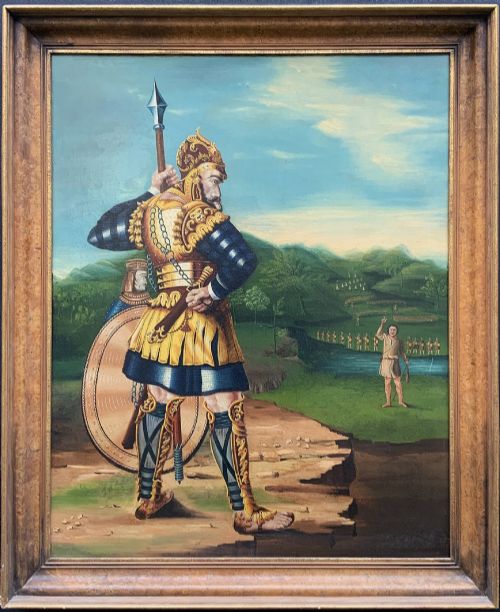
A framed history painting depicts significant narratives, military conflicts and classical or literary events drawn from past centuries. When searching for framed history painting, buyers encounter works ranging from large canvas battle scenes to intimate watercolours of historical figures.
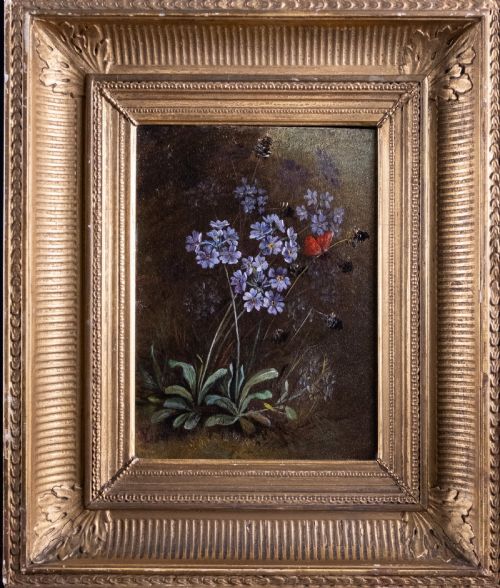
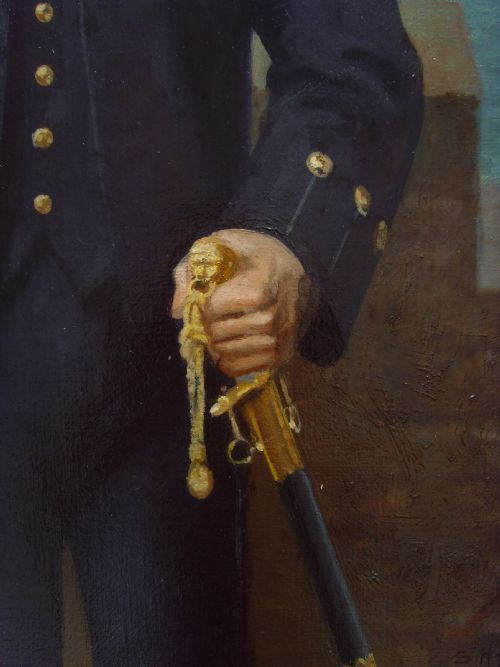
The pieces on this page span several eras, featuring eighteenth-century mythological compositions alongside nineteenth-century military depictions and Victorian genre scenes. These artworks combine narrative ambition with period framing materials such as giltwood and ebonised wood.
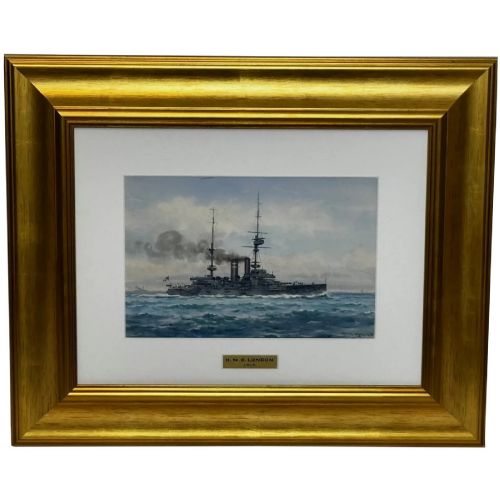
Origins vary from English school portraits to continental mythological oils and maritime engagements. Each work preserves a specific cultural or historical moment through traditional painting media.
Materials and construction
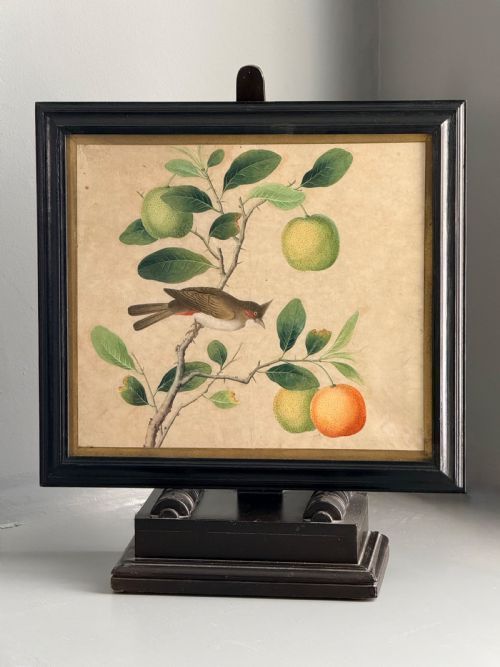
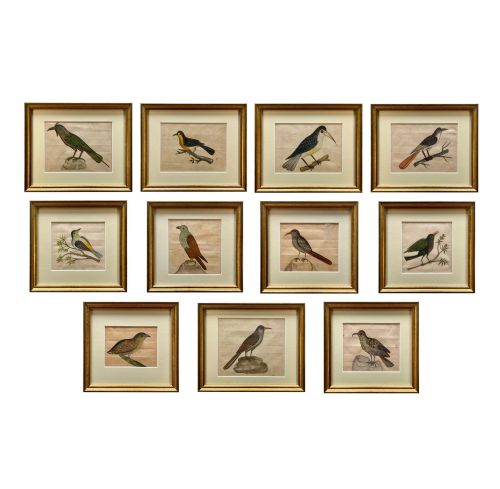
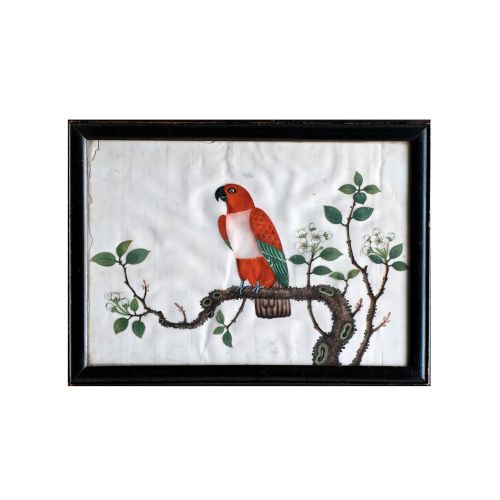
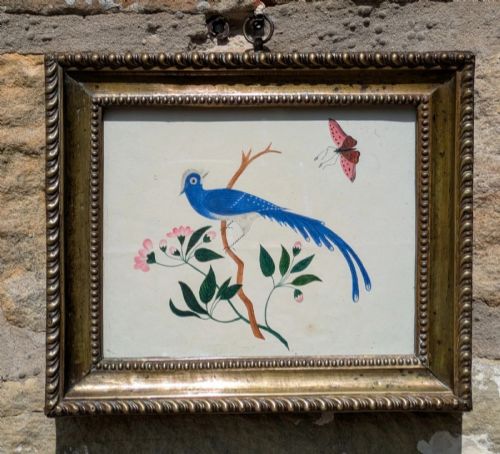
Artists relied primarily on oil paint applied to stretched canvas or wooden panels, alongside watercolours and gouache executed on paper or pith paper. These pigments were bound and layered to achieve depth in complex narrative scenes.
Surviving works are typically housed in contemporary or later timber frames, frequently enhanced with giltwood moulding or deep mounts under glass. The physical construction joins the artistic medium directly to protective period housings.
Framed History Painting Retail Price Guide 2026
Typical asking prices for framed history painting among the pieces listed under this phrase on Sellingantiques today, from the lower quarter to the upper quarter. They describe what is for sale here now, not the wider market.
Listings feature oil on canvas, watercolour and gouache across eighteenth, nineteenth and twentieth-century periods.
Factors of quality
Quality rests upon the artist's command of anatomy, perspective and narrative clarity within complex multi-figure compositions. Superior examples demonstrate confident brushwork and precise detailing in facial expressions and period attire.
The integrity of the physical medium and the appropriateness of the surrounding frame influence the overall standing of each work. Original canvas tension and pigment stability distinguish master execution from routine production.
Samuel Harry Hancock·Harry Bright·Robert Alexander Hillingford·Eric Tufnell·Frank Watson Wood·Vincent Clare·James Hamilton·Carl Whitfield·Alexander Harwood·Ralston Gudgeon·Daniel Sherrin·John Simmons·Charles F. Tunnicliffe·William Andrews Nesfield·Philipp Ferdinand de Hamilton
The Framed History Painting Glossary
- Canvas
- A heavy woven fabric stretched across a wooden stretcher to serve as a durable support for oil paint. It provides a textured surface that holds layered pigments securely over centuries.
- Giltwood
- Timber carved and coated with a thin layer of gold leaf or metallic powder. This material frames significant artworks with a reflective, ornate border.
- Watercolour
- A paint consisting of pigment suspended in a water-soluble binder, applied to paper surfaces. It produces translucent washes and delicate tonal gradations.
- Gouache
- An opaque water-based medium containing white pigment added to watercolour for solid, flat colour fields. Artists utilise it to build dense highlights in detailed illustrations.
- Genre painting
- Artwork depicting scenes from everyday life, ordinary people, or domestic narratives rather than grand historical events. These compositions offer insight into social customs of past eras.
Framed History Painting: Frequently Asked Questions
What is a history painting?
A history painting depicts a narrative moment from classical mythology, literature, religion or military conflict rather than a simple portrait or landscape.
These works often feature multiple figures engaged in dramatic action to convey a significant moral or historical story.
How should I hang these paintings?
Hang these artworks on walls away from direct sunlight and damp conditions to protect the canvas, paper and giltwood frames.
Ensure secure fixings are used, as traditional frames with glass can be heavy and require robust wall anchors.
How do I identify the period?
Examine the painting style, costume details, framing techniques and any visible signatures or inscriptions recorded on the reverse.
Material analysis of the canvas weave and stretcher construction also helps confirm the century of creation.
Are these works painted on canvas?
While many major pieces utilise oil on canvas, others employ watercolour and gouache on paper, panel or pith paper.
The chosen substrate generally aligns with the scale of the composition and the specific artistic tradition of the period.