
Framed Historical Picture
A framed historical picture brings past centuries directly to the wall through portraiture, battle scenes and maritime views.
Framed Historical Picture
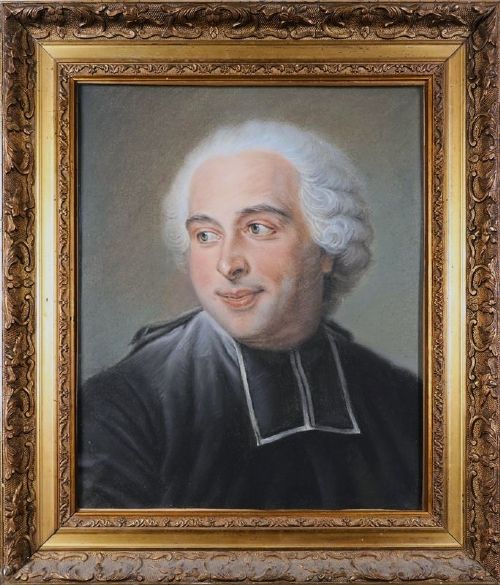
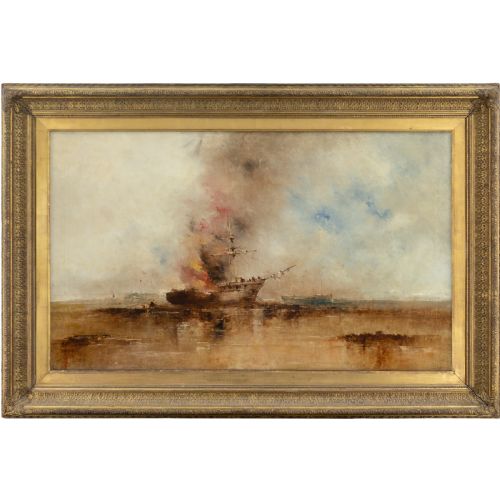
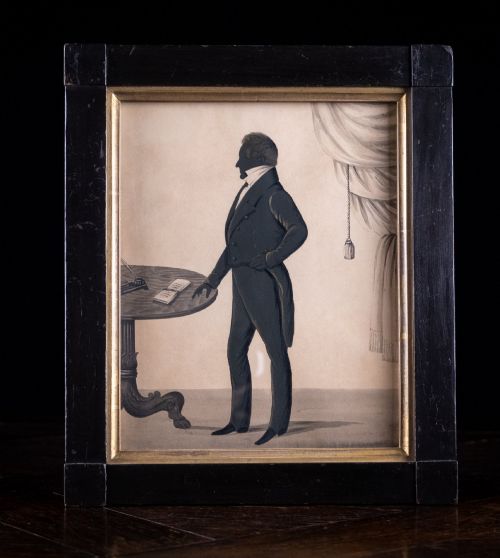
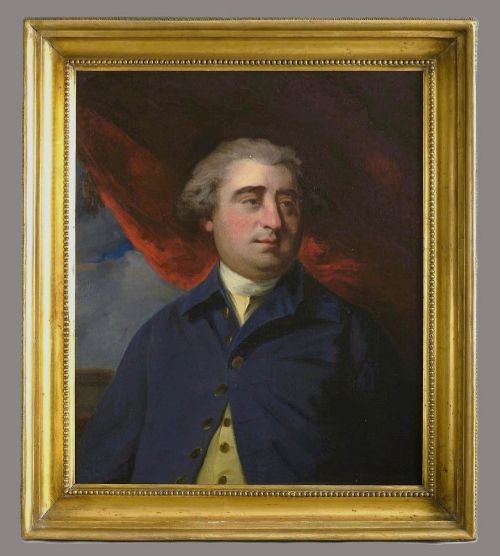
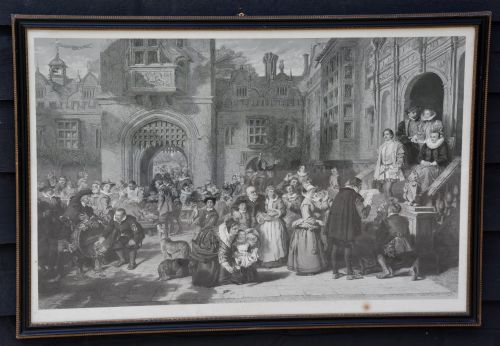
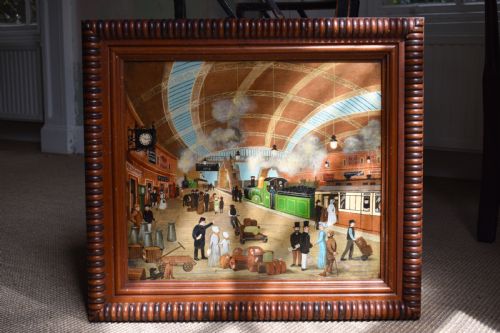
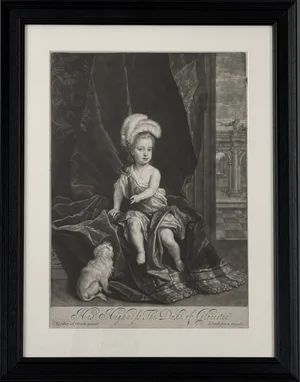
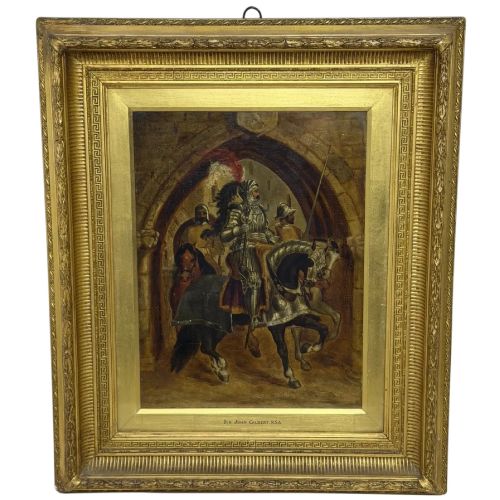
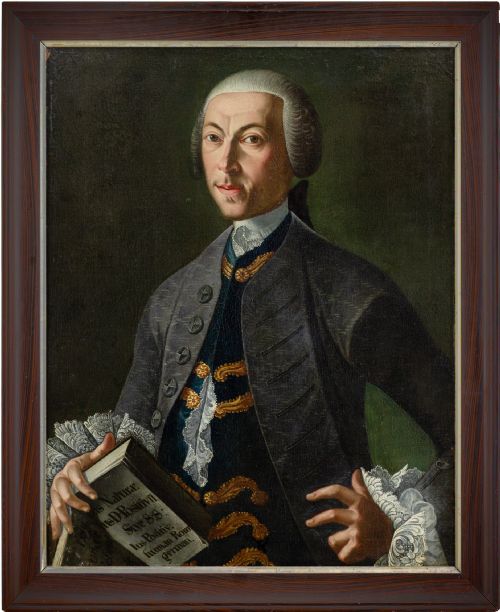
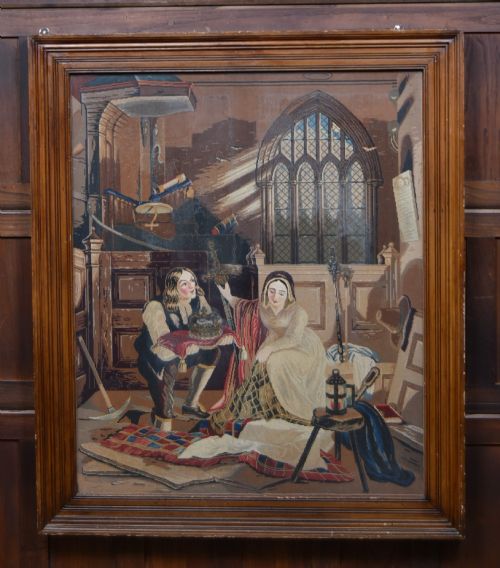
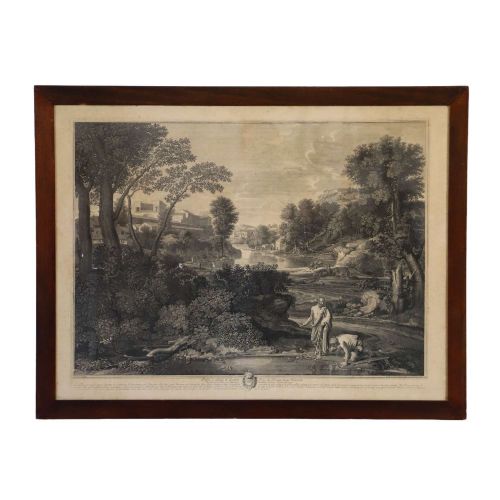
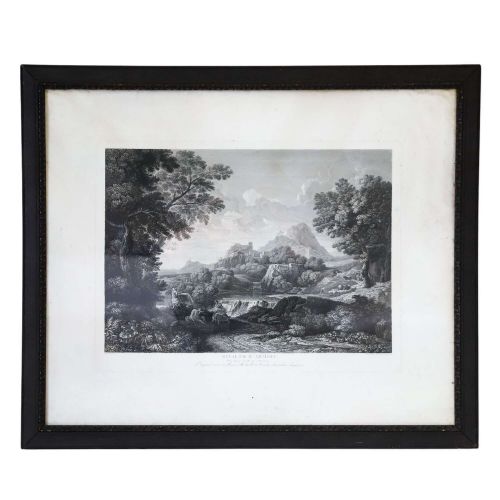
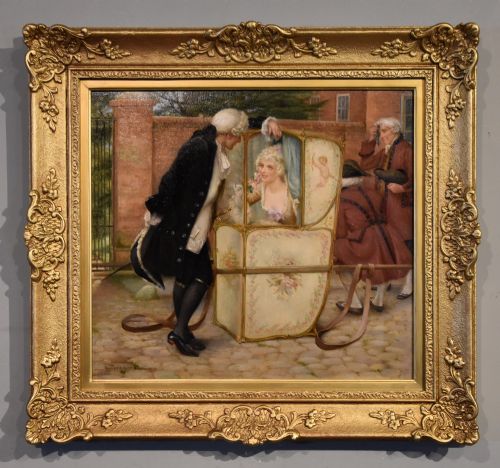
A framed historical picture encompasses oil paintings, engravings, silhouettes, tapestries and needlework depicting notable individuals, past events and bygone scenes.
The selections span from the seventeenth century through the early twentieth century, capturing distinct periods such as the Georgian, Regency and Victorian eras.
Likely pieces on this page include eighteenth-century engraved portraits, nineteenth-century oil paintings of naval subjects, and early twentieth-century charcoal drawings.
Materials and construction methods
Makers utilised traditional supports including canvas, paper, wood panels and glass, applying oil paint, watercolour, ink or charcoal to form the image.
Listings span from the seventeenth century to the 1920s, incorporating media such as oil paint, charcoal, glass, paper and woven textiles.
Evaluating craftsmanship and condition
Quality rests upon the precision of the draughtsmanship, the vibrancy of surviving pigments, and the skill demonstrated in portrait likenesses or narrative scenes.
The integrity of the original frame and the clarity of the underlying glass or paper surface heavily influence the overall standard of the piece.
Sir Joshua Reynolds·Augustin Edouart·John Smith·Benjamin Eugene Fichel·Frank Moss Bennett
The Framed Historical Picture Glossary
- Mezzotint
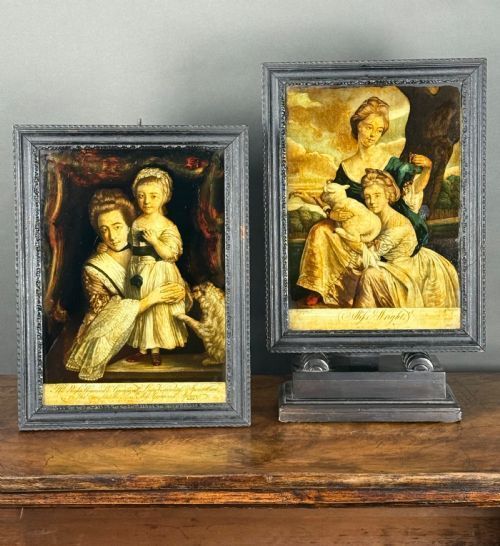
- A printmaking process of the intaglio family where the plate is roughened to produce tones of grey and black. This technique allows for subtle gradations of light and shadow in historical portraiture.
- Reverse glass painting
- An art form where the image is painted directly onto the reverse side of a glass panel. Viewers observe the finished work through the front of the glass.
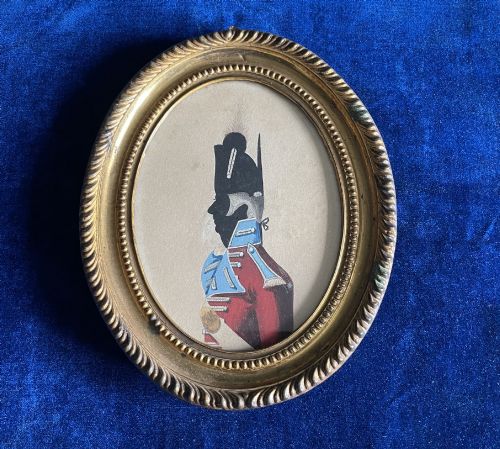
- Silhouette
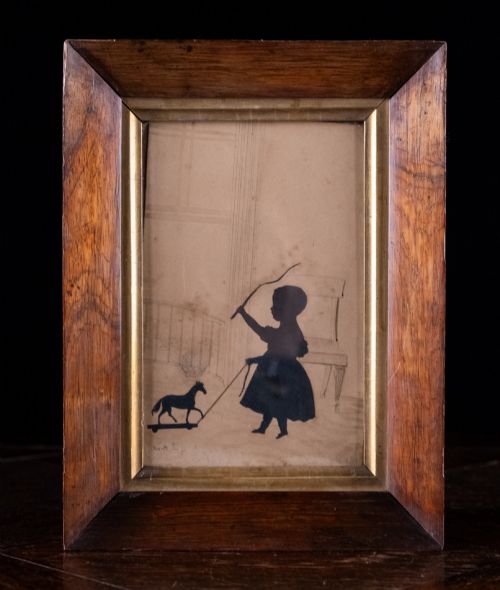
- A portrait cut from black paper or painted as a solid dark profile against a pale background. These items frequently depict sitters from the eighteenth and nineteenth centuries.
- Tapestry
- A form of textile art woven on a loom by hand. Historical examples often depict classical narratives or royal figures.
- Giltwood
- Wood that has been covered with a thin layer of gold leaf. This material is commonly found on period frames enclosing traditional artworks.
Framed Historical Picture: Frequently Asked Questions
How do I date a framed historical picture?
Dating relies upon examining the costume, hairstyle and sitters depicted within the imagery, alongside the physical traits of the paper, canvas or stretcher bars.
Furthermore, the construction methods of the accompanying frame often provide reliable clues regarding the exact period of assembly.
How should I care for antique paper and oil paintings?
Paper works and textiles require protection from direct sunlight to prevent fading of the delicate pigments, watercolours and threads over time.
Oil paintings benefit from stable indoor humidity levels and gentle dusting of the canvas and gilt frame using a soft, dry brush.
What is the difference between a silhouette and a portrait miniature?
Silhouettes present a solid monochrome profile of a sitter, typically rendered in black ink, paint or cut paper during the eighteenth and nineteenth centuries.
Portrait miniatures are finely detailed small-scale paintings executed in oil or watercolour on vellum, ivory or metal stands.