
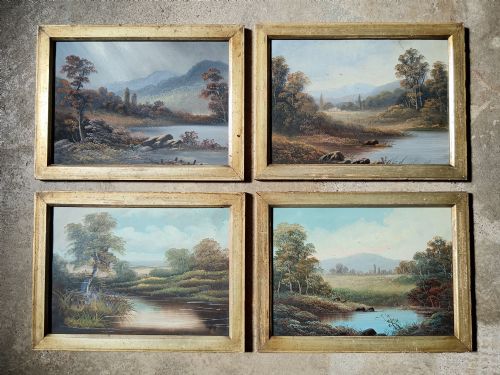


Framed Gouache Wall Art
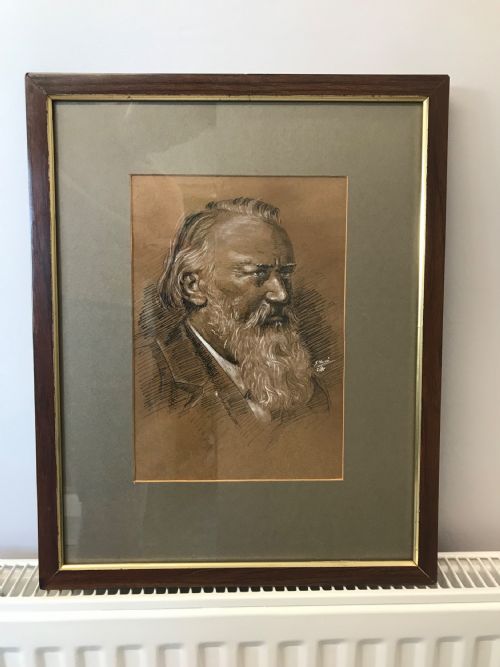
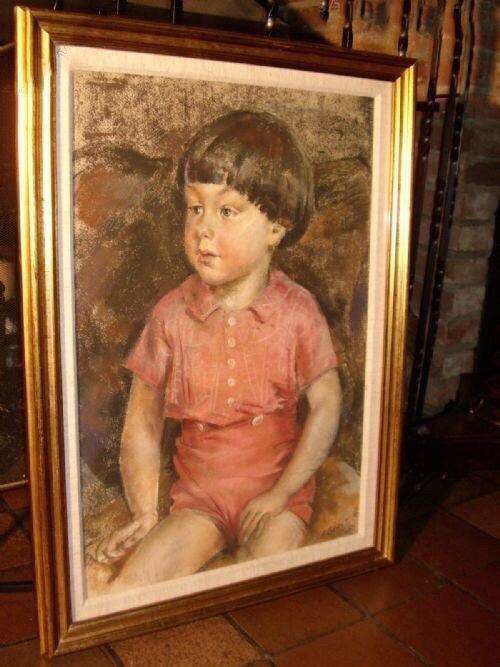
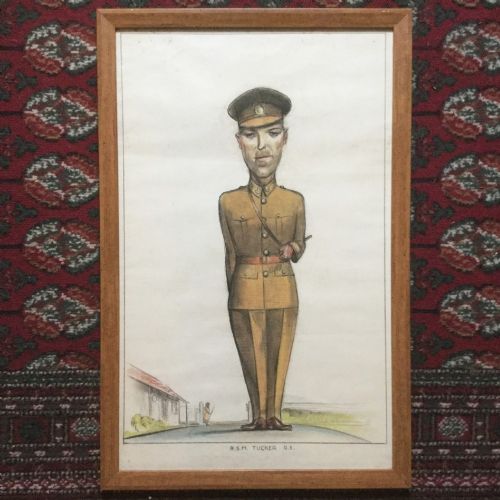
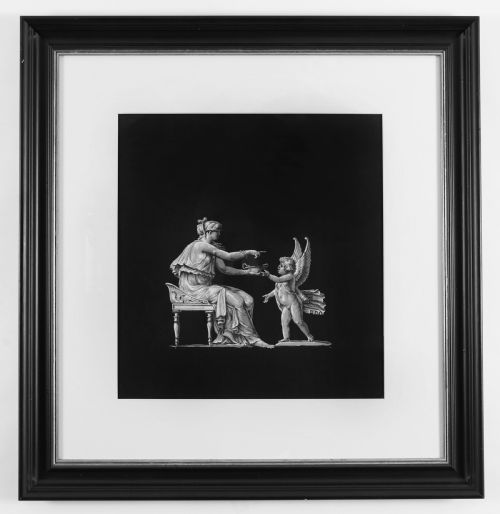
Framed gouache wall art brings together dense opaque pigments and delicate works on paper, offering vibrant colour and lasting graphic presence for your rooms.
Framed Gouache Wall Art
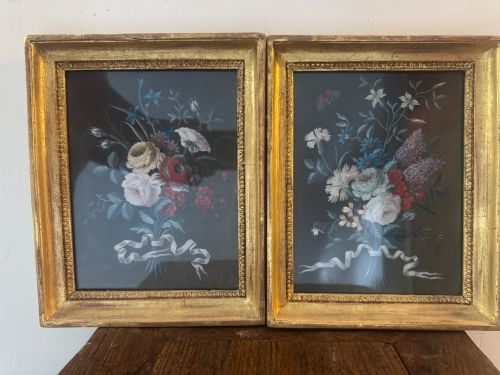
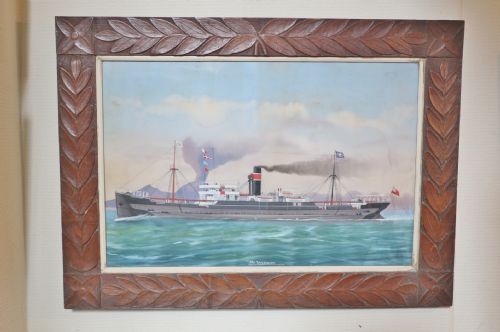
You are most likely to meet nineteenth-century botanical sets, Chinese Export ship paintings, and mid-century modernist abstracts among these listings. These works rely on heavy, water-soluble pigments that provide a matte finish distinct from traditional oil or thin watercolour.
How they were made
Artists painted primarily with ground pigments mixed with water and a binding agent like gum arabic, often building up thick, opaque layers on paper, silk, or fragile pith paper. This heavy paint body allowed for saturated colour and solid coverage, frequently combined with ink, pencil, or pastel details.
Makers housed these works behind protective glass within timber frames to preserve the delicate paper supports from moisture and handling. Many pieces retain period mounts and framing that complement the matte surface of the opaque paint.
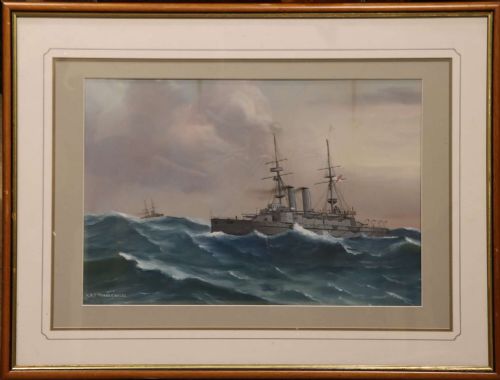
One nineteenth-century French sailor dedicated a gouache painting of an ironclad battleship directly to his shipmates as a sentimental tribute.
What varies in quality
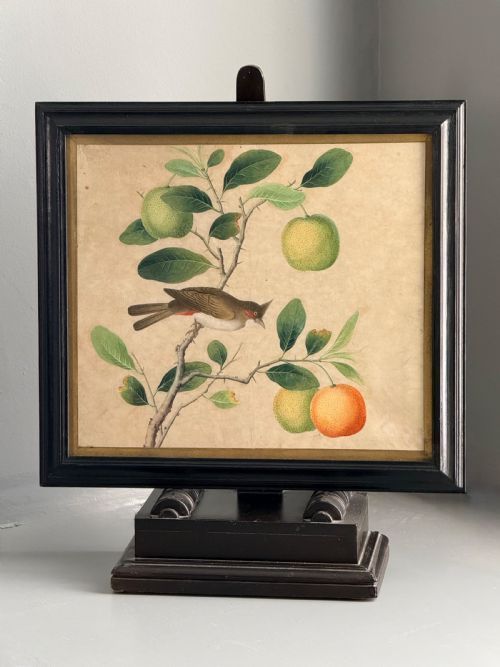
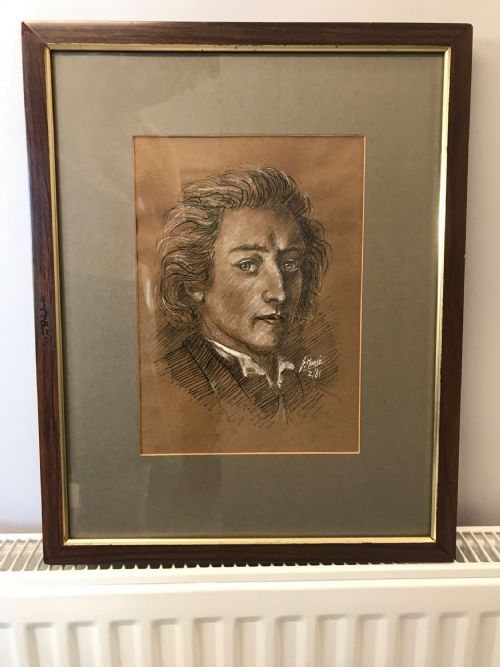
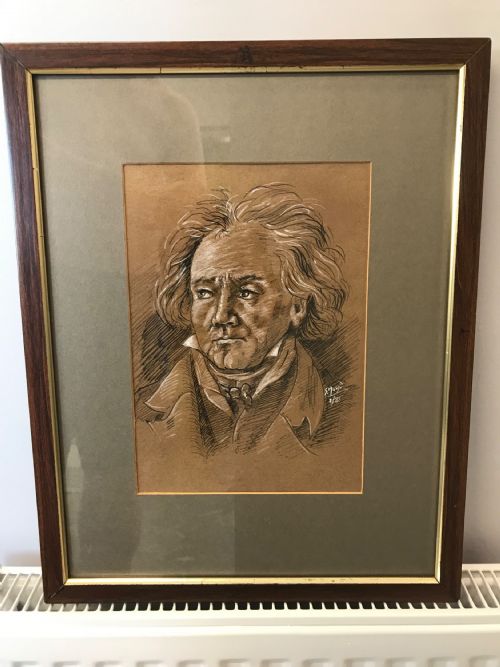
The distinction between ordinary and superior pieces rests on the precision of the brushwork, the integrity of the paper support, and the harmony of the framing. Finer examples display meticulous control over dense pigments, maintaining crisp detail in portraiture or botanical studies without flaking.
Condition and provenance elevate individual works, particularly when fragile mediums like pith paper or delicate water-based pigments survive intact behind original glass. The skill of the composition and the preservation of the surface texture determine the standing of each piece.
Joseph Knight·John Rattenbury Skeaping·AJ Thornton·Milton Drinkwater
The Framed Gouache Wall Art Glossary
- Gouache
- An opaque water-based paint made from ground pigments, water, and a binding agent such as gum arabic. It dries to a flat, matte finish with heavier coverage than standard watercolour.
- Pith paper
- A delicate material cut from the pith of the Tetrapanax papyrifer plant, common in historical Chinese export paintings. It possesses a velvety texture that absorbs gouache with exceptional brilliance.
- Chinese Export
- Goods produced in China specifically for Western markets from the eighteenth to the early twentieth centuries. These often include shipping scenes and figural studies created for foreign buyers.
- Neoclassical
- A Western style inspired by classical antiquity, emphasising restraint, proportion, and classical motifs. It appears in figurative and architectural compositions from the late eighteenth and nineteenth centuries.
Framed Gouache Wall Art: Frequently Asked Questions
How do I care for framed gouache?
Keep works on paper away from direct sunlight to prevent the opaque pigments from fading over time. Maintaining stable indoor humidity protects both the fragile paper support and the timber frame.
Ensure the protective glass remains sealed to guard against dust and moisture accumulation. Professional framing conservation preserves the stability of these water-based paintings.
What is pith paper artwork?
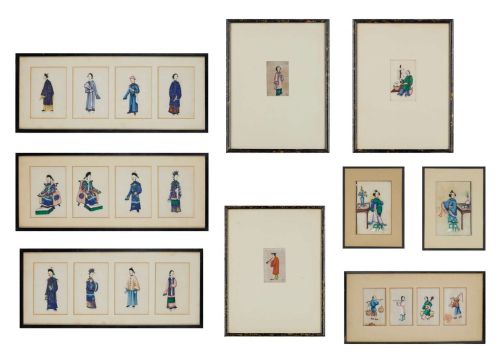
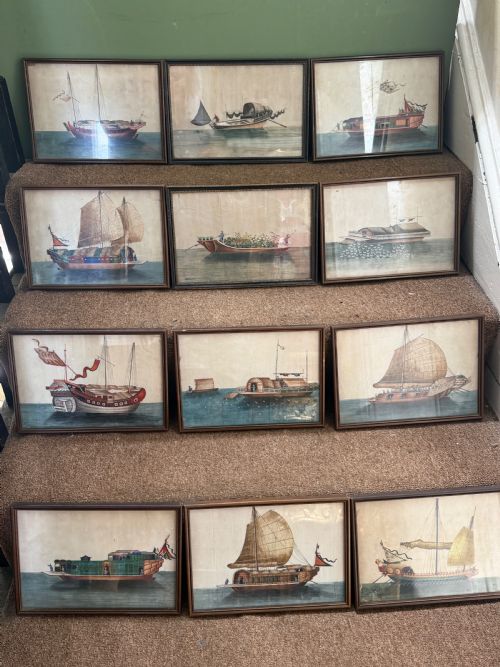
Pith paper is a fragile, spongy material derived from plant pith that absorbs heavy gouache pigments with unique vibrancy. Artists in nineteenth-century China used it extensively for export paintings depicting ships and daily life.
Because the material is exceptionally delicate, these pieces require secure framing behind glass to prevent crumbling. They represent a distinct tradition within historical Asian trade art.
How do gouache and watercolour differ?
Watercolour relies on translucent washes where the white of the paper illuminates the pigment. Gouache incorporates chalk or white pigment to create an opaque paint body that reflects less light.
This opacity allows artists to paint light tones over dark backgrounds and achieve solid, matte surfaces. Both mediums use water-soluble binders but produce fundamentally different visual textures.
How do I date these paintings?
Examine the paper type, framing construction, and stylistic conventions to estimate the period of creation. Nineteenth-century works frequently feature heavier rag paper, botanical precision, or distinct maritime subjects.
Mid-century pieces often showcase modernist abstractions or bolder colour palettes reflecting later twentieth-century aesthetics. Signatures, inscriptions, and backboard details also provide clues to the exact era.