

Framed Georgian Watercolour
A framed georgian watercolour brings intimate portraiture and delicate botanical studies directly from the late eighteenth and early nineteenth centuries into a modern interior.
Framed Georgian Watercolour
When someone searches for a framed georgian watercolour, they encounter delicate works on paper that capture personal likenesses, classical scenes, and botanical studies. These pieces originate primarily from the eighteenth and nineteenth centuries, spanning periods from Georgian through Regency and Victorian eras.
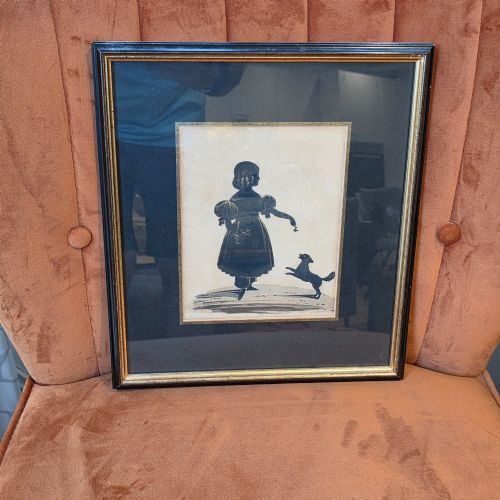
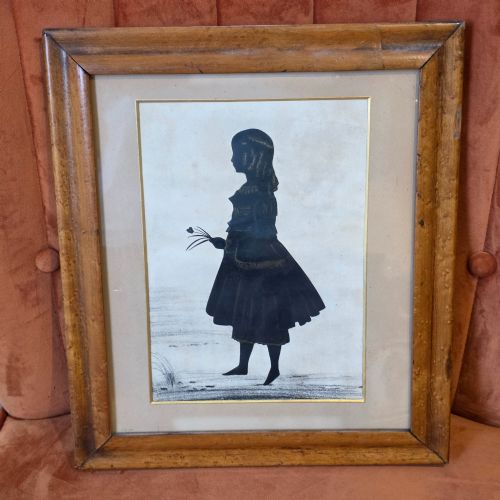
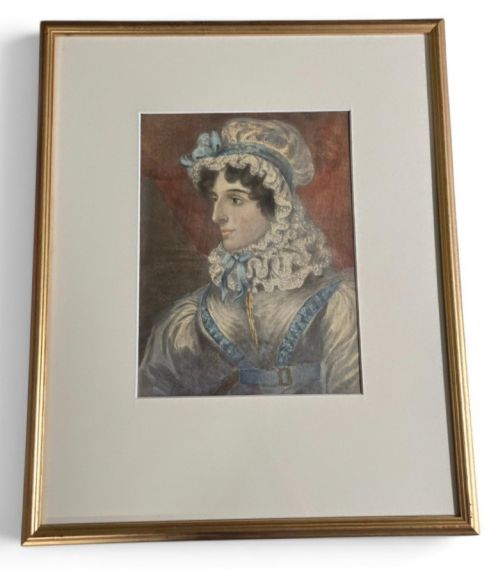
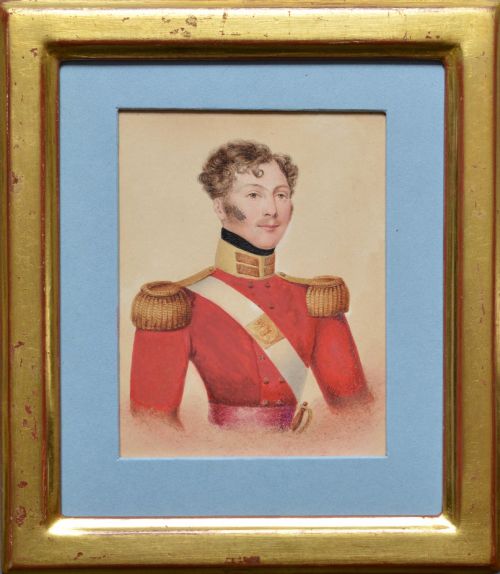
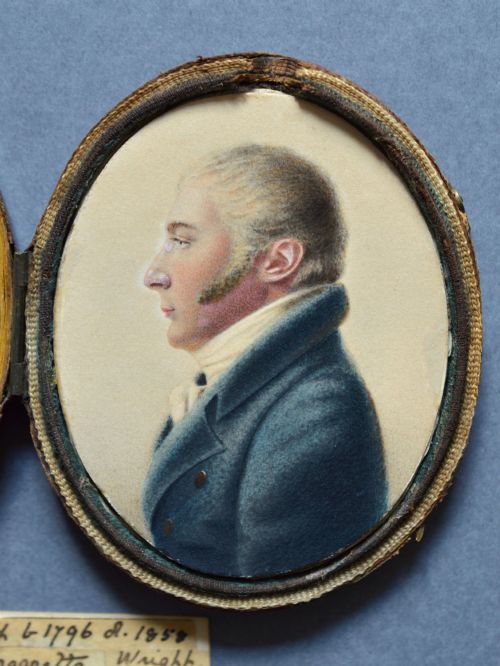
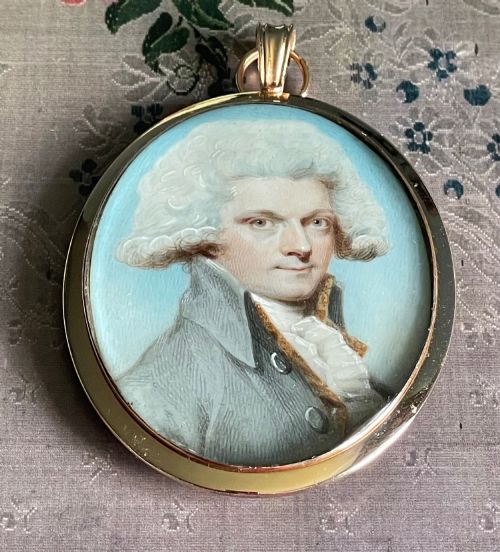
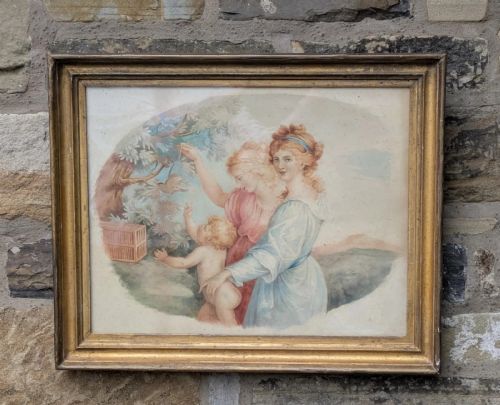
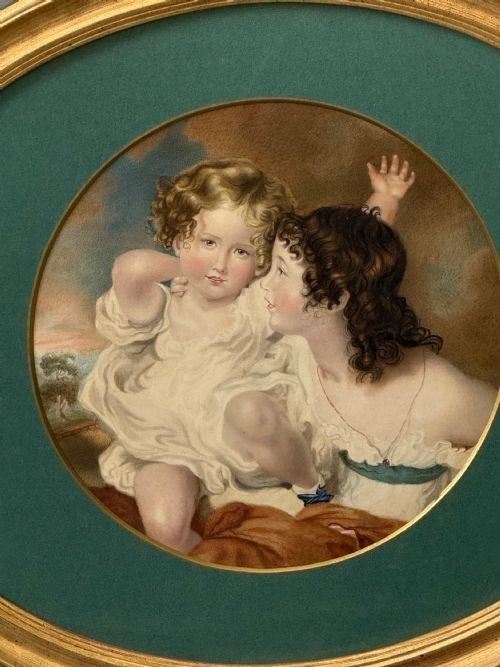
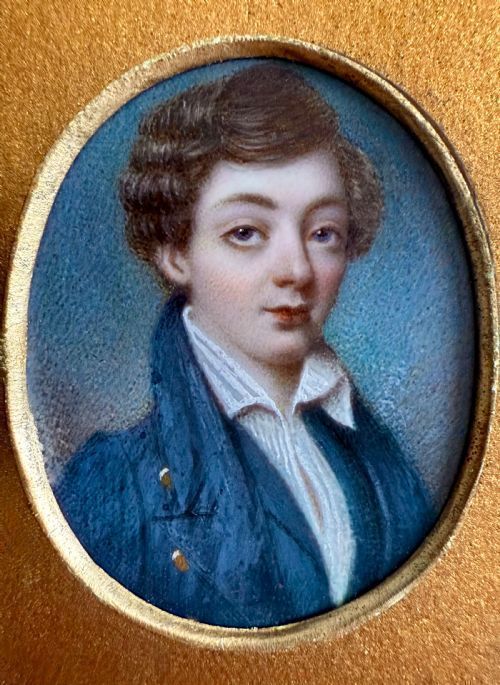
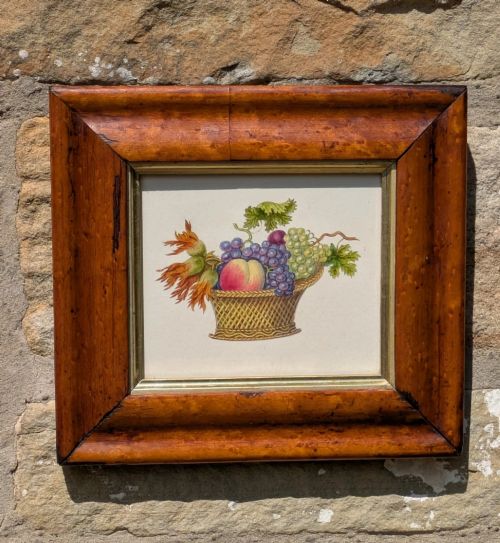
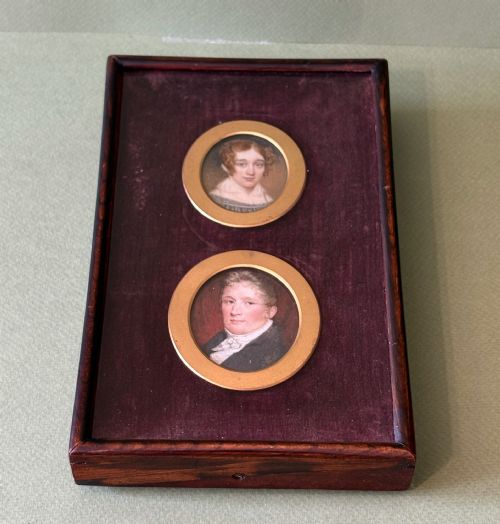
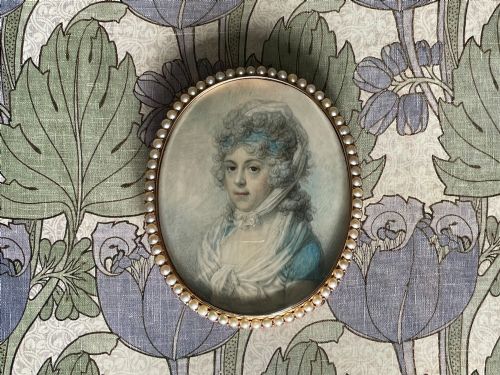
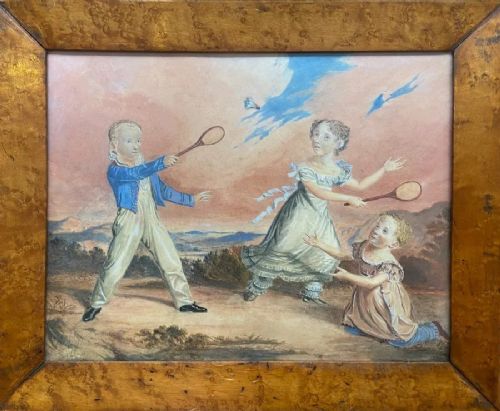
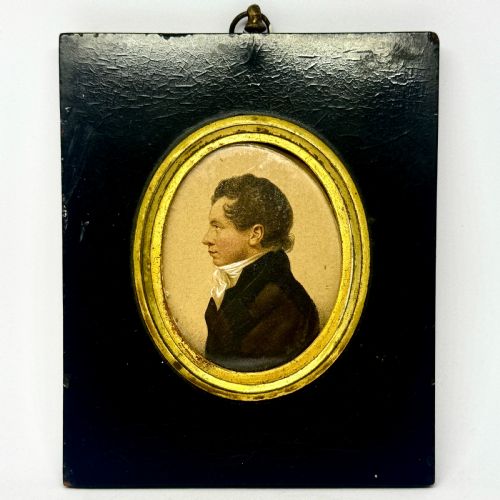
The selections on this page appear most frequently in compact formats such as portrait miniatures or framed artwork. Subjects range from officers and young girls to fruit baskets and classical groupings, preserved behind protective glass.
Makers and schools represented include named British and Irish artists alongside anonymous British and continental hands. Works manifest in original ebonised wood frames, gilt metal stands, and moulded giltwood surrounds.
Materials and Techniques
Watercolour pigment is applied directly onto prepared paper, sometimes combined with pencil work or cut-paper silhouette techniques. Artists of the period built depth through transparent washes and fine line detail, particularly evident in miniature portraiture.
Frames utilise wood, ebonised finishes, and gilt metal or gold leaf to protect and complement the paper artwork within. Glazing with glass preserves the delicate pigments from atmospheric moisture and handling over the centuries.
Object types range from miniature portraits and classical scenes to botanical flower studies and cut-paper silhouettes.
Quality and Execution
The distinction between ordinary and superior pieces rests on the precision of the brushwork and the psychological depth of the portraiture. Master practitioners command facial expression and drapery with an economy of line that lesser hands miss.
Preservation of the original paper and the integrity of the period frame heavily influence the standing of a work. Intact contemporary ebonised or gilt surrounds enhance the historical coherence of the piece.
William James Hubard·Edward Bradford·Thomas John Horsley·Charles Shirreff·Richard Cosway·Henry Travis·Frederick Buck·Charles Hayter·William Naish·Albin R Burt
The Framed Georgian Watercolour Glossary
- Portrait Miniature
- A small-scale painting, often executed on paper or ivory, designed to be held in the hand or worn as a pendant. These works require immense precision due to their diminutive dimensions.
- Ebonised Frame
- A wooden frame stained or painted black to imitate ebony. This finish provides a sharp, dark contrast that highlights the bright pigments of watercolours and miniatures.
- Giltwood
- Wood that has been coated with a thin layer of gold leaf or gilt metal. It serves as a decorative framing material typical of Georgian and Regency interiors.
- Regency
- A British stylistic period spanning the early nineteenth century, characterised by neoclassical influences and clean lines. Watercolours from this era frequently employ lighter palettes and botanical themes.
Framed Georgian Watercolour: Frequently Asked Questions
How should I hang a framed watercolour?
Keep watercolours away from direct sunlight to prevent the pigments from fading over time. Position them on interior walls where light levels remain stable and moderate.
Ensure the room humidity is controlled to protect both the antique paper and the wooden or gilt frames. Heavy moisture fluctuations can warp the paper and damage the backing materials.
Are these works original period pieces?
The listings comprise authentic works originating from the eighteenth and nineteenth centuries, executed during the Georgian and Regency periods. Each piece reflects the materials and techniques of its specific era.
Original frames and period mountings frequently accompany the watercolours, offering physical evidence of their age and history.
What subjects are most common?
Portrait miniatures dominate the selection, depicting gentlemen, ladies, children, and military officers from the Georgian era. These intimate portrayals were often commissioned to commemorate family members.
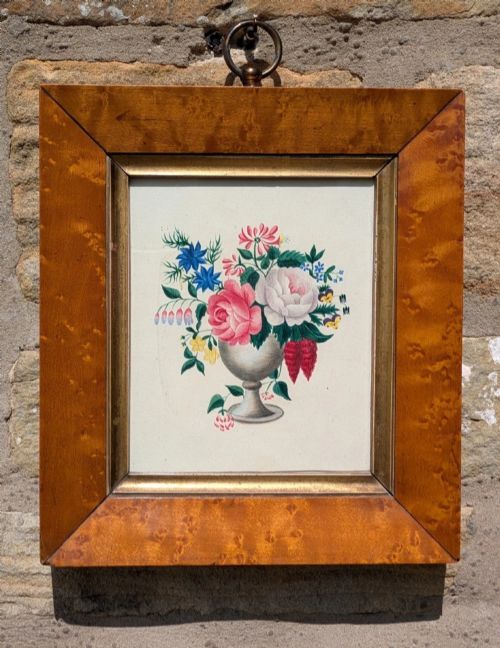
Botanical studies, still lifes of fruit in baskets, and classical scenes also appear across the listings, showing the broader aesthetic interests of the period.
How do I identify a Regency watercolour?
Regency watercolours often feature lighter, brighter colour palettes and subjects influenced by neoclassical tastes. Costume details, such as high-waisted dresses and specific hairstyles, provide clear dating clues.
Framing styles from the Regency period lean towards refined gilding and distinct moulding profiles that differ from heavier Victorian surrounds.