


Framed French Landscape Painting
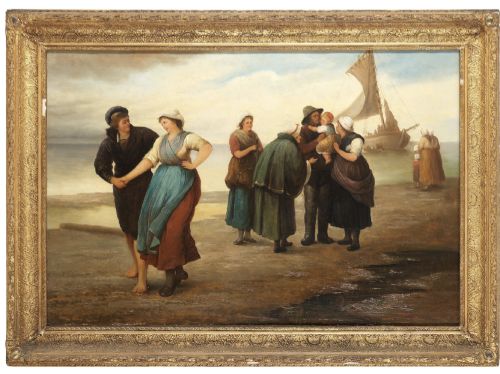
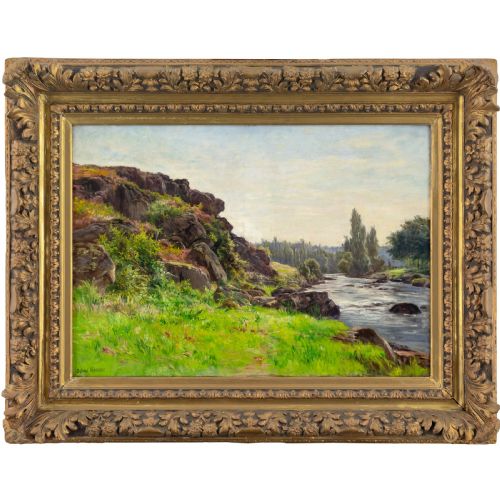
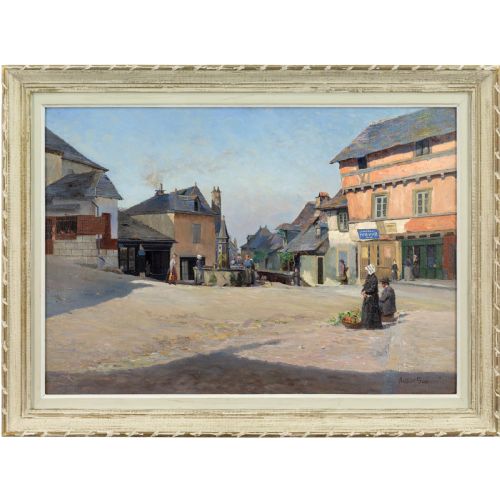
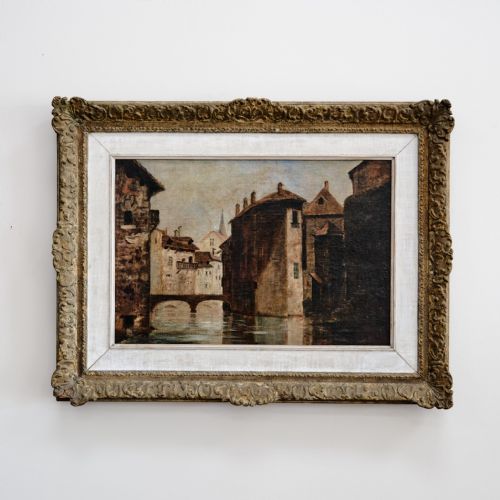
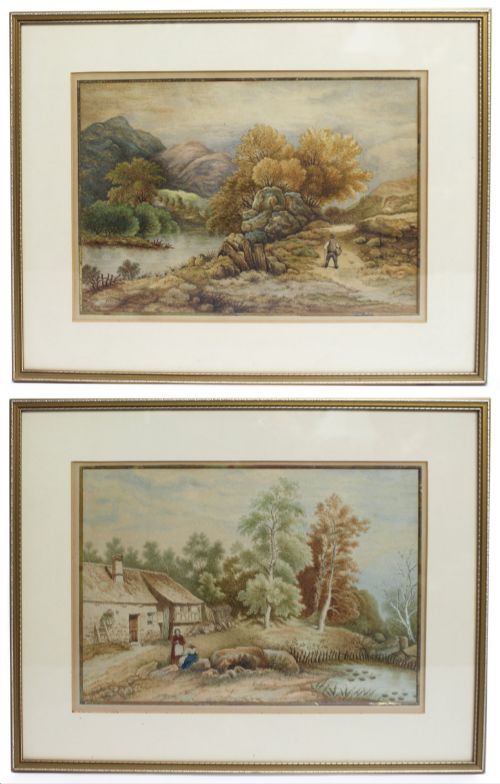
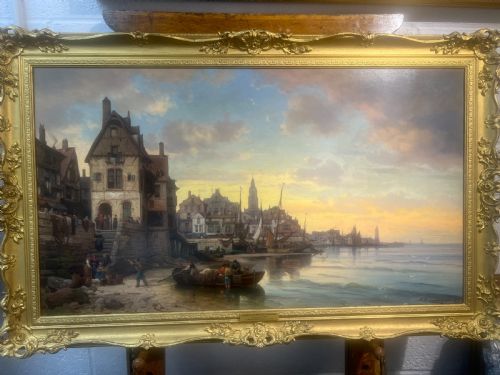
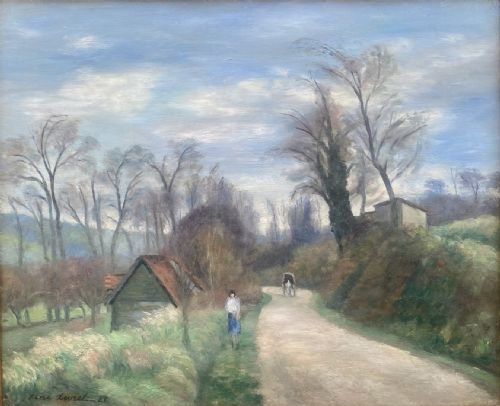
When choosing a framed french landscape painting, a buyer selects a window onto nineteenth or twentieth-century rural scenes housed in period timber.
Framed French Landscape Painting
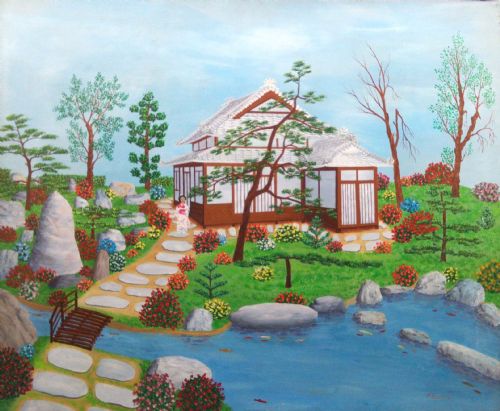
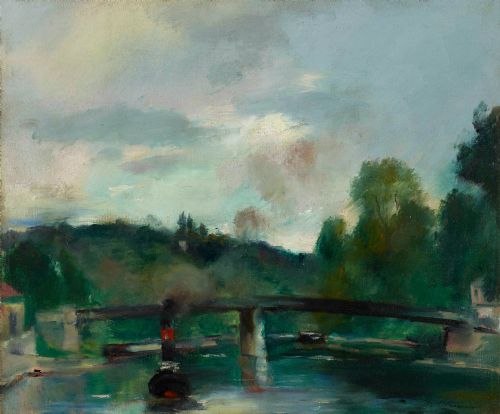
A framed french landscape painting brings rural rivers, chateaux, and coastal provinces into interior spaces through works on canvas, panel, and paper. These pieces span the nineteenth and twentieth centuries, capturing shifts from the Barbizon School to Post-Impressionism and mid-century modern interpretations.
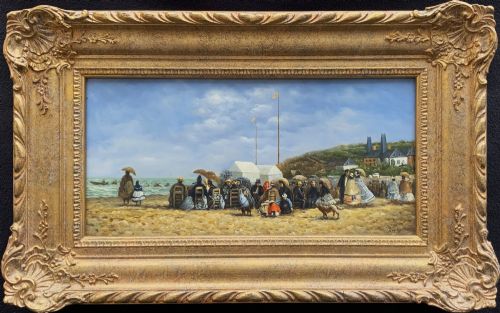
Collectors encounter diverse regional settings, from Normandy pastures to Mediterranean ports, often preserved within original surrounds of gilt wood, gesso, or gold leaf.
How They Were Made
Makers applied oil paint, watercolour, gouache, or ink onto prepared canvas, wood panels, or paper supports using traditional brushwork techniques. Canvases and wooden panels received layers of gesso before painting to ensure a stable surface for pigments.
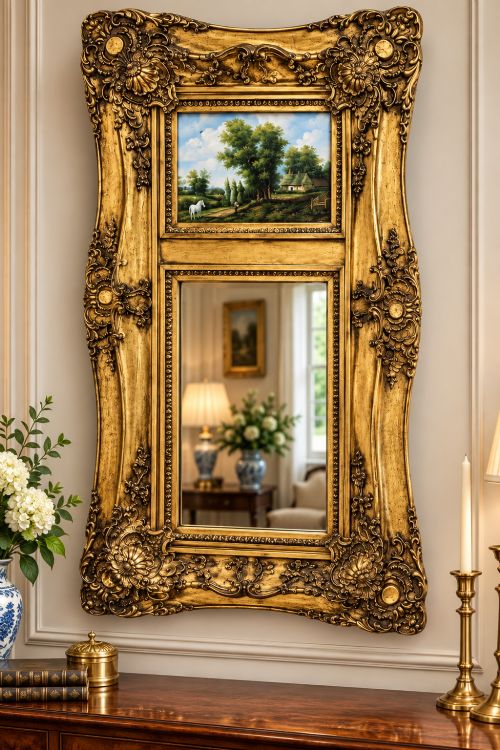
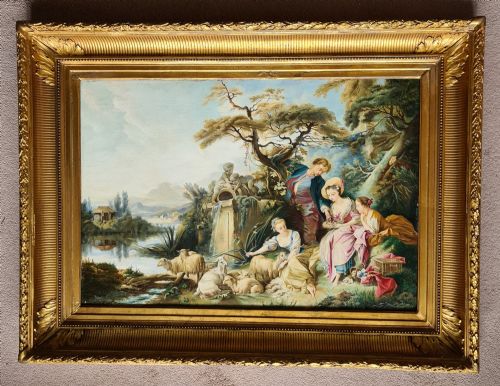
Enclosing frames were constructed from wood, finished with carved gesso details, and gilded with gold leaf or painted to complement the visual weight of the artwork.
Listings feature oil on canvas, wood, paper, and gilt wood spanning periods from the eighteenth century through the mid-twentieth century.
What Varies In Quality
Skill in handling light, atmosphere, and perspective distinguishes accomplished brushwork from ordinary provincial output. Artists who captured subtle tonal gradations and naturalistic movement created works of greater visual resonance.
The integrity and period alignment of the framing elements also influence the overall character, as intact nineteenth-century gilt wood surrounds complement the artwork better than later replacements.
Gabriel Mathieu·Arthur Gué·Henri Ottmann·Charles Euphraisie Kuasseg·Rene Levrel·Erich Mercker·Paul Désiré Trouillebert·Henry de Waroquier·Lilian Colbourn·Paul-Élie Gernez·Caroline Burnett·Charles Clair·Paul-Jean Anderbouhr·Gaston Cornil·Raymond Moritz·Alexandre Le Bihan·Louis Suire·Gustave Vidal·Jean-Baptiste Olive·Raymond Picque·William Lee Hankey·Raimond Louis Lecourt·Fred Pailhes·André Prévot-Valéri·Gabriel Dauchot
The Framed French Landscape Painting Glossary
- Barbizon School
- A nineteenth-century French art movement focused on realistic, atmospheric landscape painting en plein air. Practitioners turned away from classical idealism to observe nature directly.
- Gesso
- A plaster-like mixture applied to wooden panels or frames as a smooth base before gilding or painting. It provides a durable foundation for decorative work.
- Gilt Wood
- Timber coated with a thin layer of gold leaf or metallic powder for decorative effect. It frames many traditional European artworks.
- Post-Impressionism
- A French art style developing from the late nineteenth century that built upon impressionist light studies with distinct personal expression and structure.
Framed French Landscape Painting: Frequently Asked Questions
What subjects appear in these paintings?
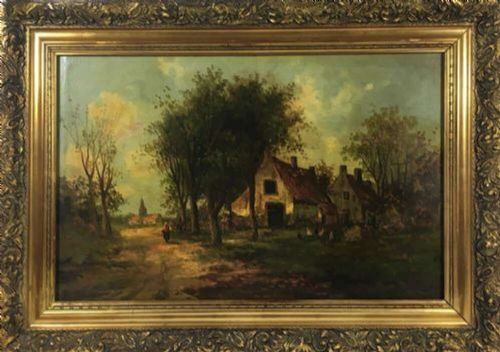
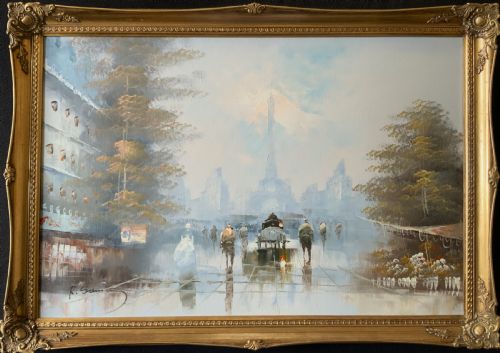
Artworks depict rural farmyards, river walks, chateaux, coastal harbours, and Parisian street scenes across various French regions. Each piece reflects the specific geography and light of its location.
Rural vistas and maritime ports dominate the surviving output, offering a record of provincial life and natural scenery from past centuries.
How do I date a framed painting?
Dating relies on stylistic markers within the brushwork, signatures, artist records, and the construction methods of the accompanying frame. Barbizon and impressionist techniques correspond to distinct decades.
Examine the back of the canvas, stretcher bars, and framing materials for maker stamps, gallery labels, or handwritten inscriptions left by previous owners.
Where should I hang these artworks?
These pieces suit living rooms, studies, and hallways where stable indoor temperatures and indirect lighting protect the canvas and frame. Avoid hanging them in areas with excessive moisture.
Pairing a landscape with period furniture enhances historical character, while placing it against a neutral wall allows the gilt wood or gesso frame to stand out.
What is the Barbizon School?
The Barbizon School refers to nineteenth-century French artists who painted landscapes directly from nature, focusing on realism and atmospheric effects. They worked in the forest of Fontainebleau.
Their approach paved the way for impressionism by prioritizing outdoor observation and moody, tonal depictions of rural terrain over grand historical subjects.