



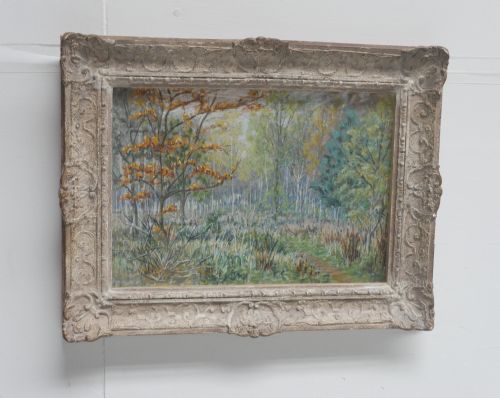
Framed French Impressionist Art
When buying framed french impressionist art, you are acquiring oil paintings and works on paper set within period timber housings.
Framed French Impressionist Art
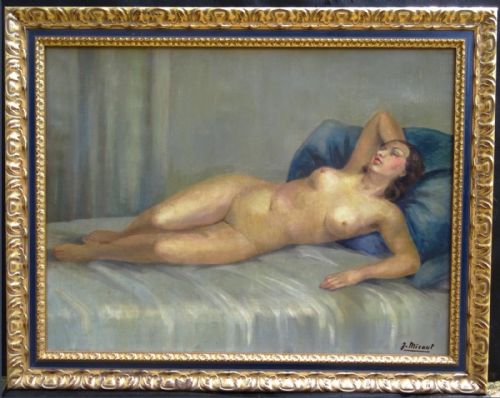
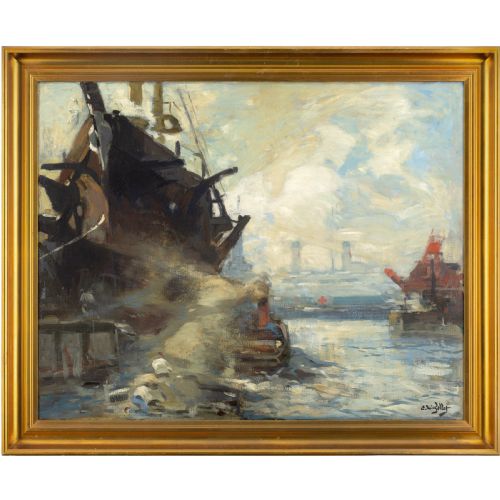
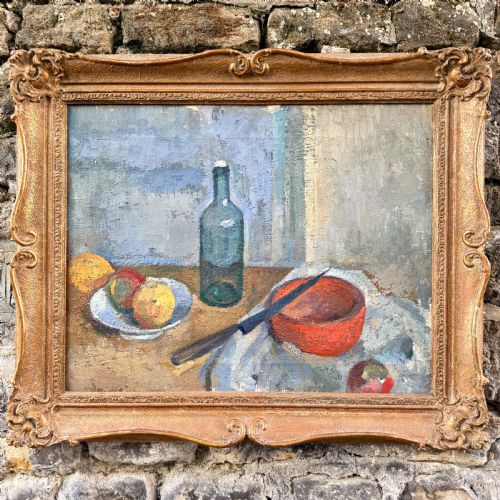
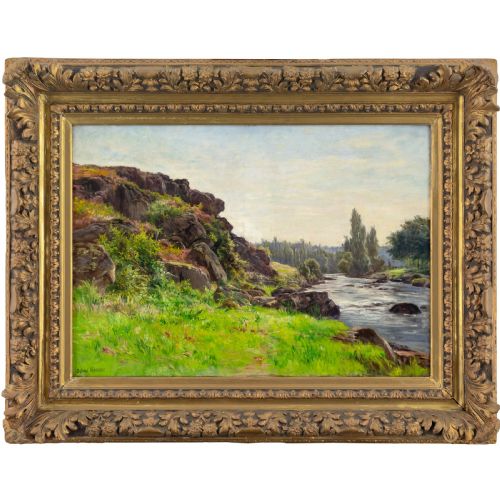
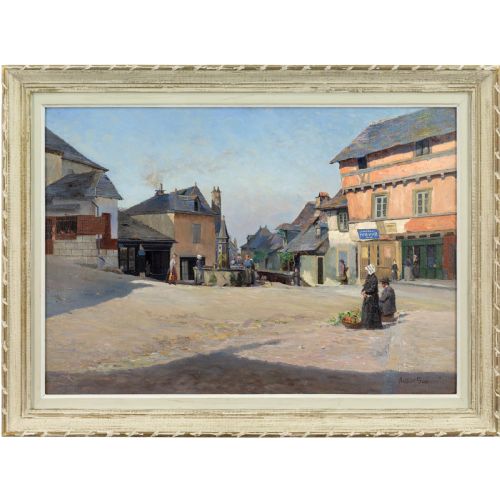
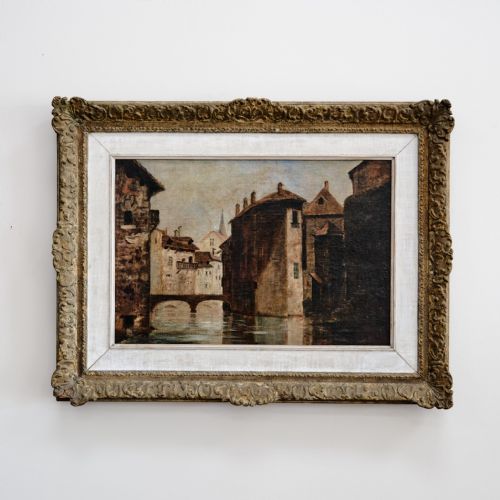
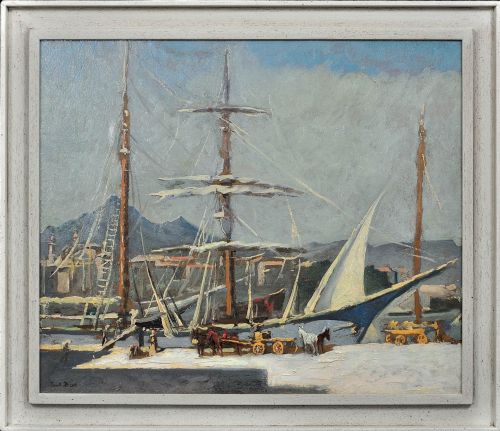
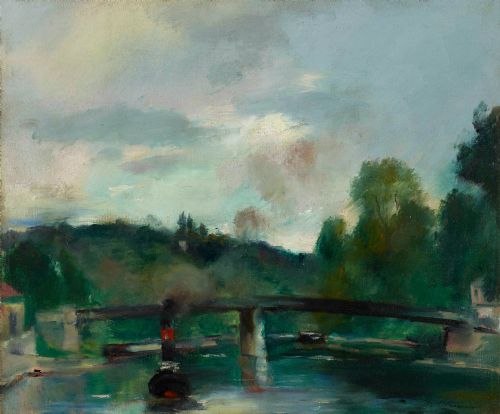
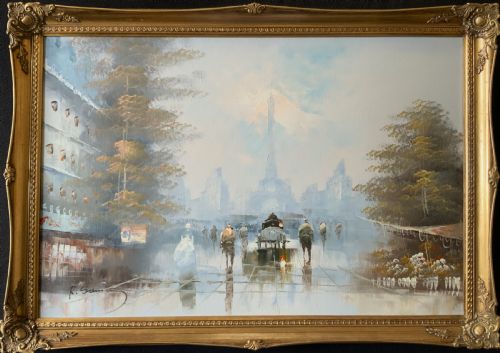
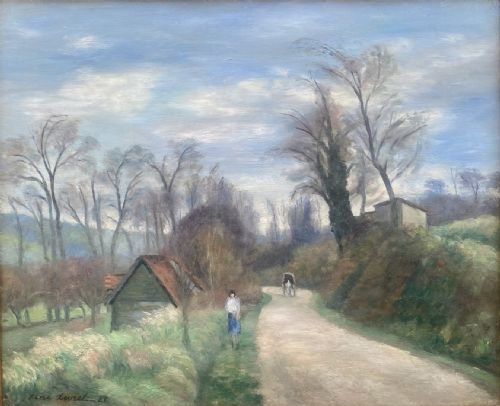
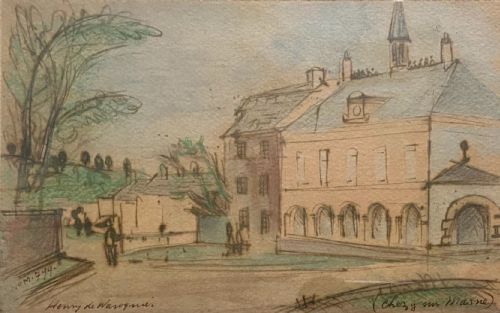
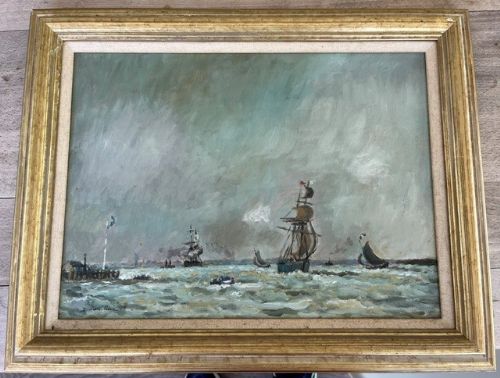
Buyers examining framed french impressionist art encounter oil on canvas, oil on panel, and watercolours produced across the nineteenth and twentieth centuries. The selection spans cityscapes, coastal harbours, rural landscapes, and figurative scenes originating from French schools.
Most examples found on this page date from the early decades of the twentieth century up to the nineteen-sixties. These pieces incorporate stylistic influences from Post-Impressionism and Mid-Century Modernism alongside core Impressionist traditions.
Materials and construction
Canvases and wooden panels serve as the primary supports for oil paint, while paper accommodates watercolours and gouache. Artists applied pigments through varied brushwork to capture light and atmosphere across landscapes and maritime views.
Surrounding timber mouldings often feature applied gesso ornamentation, frequently finished with gilt layers. These frames protect the edges of the canvas or paper and complement the tonal palette of the artwork.
Listings span periods from the nineteenth century through the nineteen-sixties, utilising canvas, panel, paper, and gilt wood.
Elements of quality
The strength of the composition and the handling of light distinguish individual works. Skilled brushwork and confident application of pigment elevate a canvas above standard decorative productions.
Original frames matching the period of the painting contribute significantly to the integrity of the piece. The harmony between the artwork and its surrounding timber moulding reflects the initial care taken in presentation.
Eugène-Louis Gillot·Gabriel Mathieu·Arthur Gué·Henri Ottmann·Rene Levrel·Paul Désiré Trouillebert·Henry de Waroquier·Paul-Élie Gernez·Caroline Burnett·Charles Clair·Paul-Jean Anderbouhr·Edouard Julien·Elisabeth Bardon·Gaston Cornil·Raymond Moritz·Henri Vincent-Anglade·Victor Gabriel Gilbert·Louis Suire·Gustave Vidal·Jean-Baptiste Olive·Raymond Picque·William Lee Hankey·Raimond Louis Lecourt·Fred Pailhes·André Prévot-Valéri
The Framed French Impressionist Art Glossary
- Impressionism
- A nineteenth-century painting style focused on capturing light and transient moments through visible brushstrokes. This approach departed from rigid academic standards to emphasise natural illumination.
- Gesso
- A plaster-like mixture applied to wooden frames before gilding or painting. It provides a smooth surface for decorative mouldings.
- Gilt wood
- Timber treated with a thin layer of gold leaf or metallic powder. This finish accentuates the profiles of picture frames.
- Post-Impressionism
- An artistic development extending Impressionist techniques with increased focus on symbolic content and expressive structure. Artists pushed colour and form beyond strict naturalism.
- Impasto
- Paint applied thickly to a canvas so that it stands out from the surface. This technique preserves the physical gesture of the brush.
Framed French Impressionist Art: Frequently Asked Questions
How do I date these paintings?
Dates rely upon signatures, artist life spans, and recorded exhibition histories noted in the titles. Stylistic shifts between nineteenth-century academic realism and later twentieth-century abstraction offer further chronological indicators.
Frame construction and materials such as gesso mouldings also provide clues to the era of production. Comparing the canvas preparation with documented periods helps narrow down the timeframe.
Were these works framed originally?
Many pieces retain wooden frames contemporaneous with their creation, though some have been paired with period replacements over time. Gilt wood and gesso mouldings often reflect the aesthetic preferences of the decade in which the art was completed.
Examining the rebate and fixings at the back reveals whether the canvas has remained in its initial housing. Original combinations maintain historical continuity between the artwork and its enclosure.
What subjects appear most often?
Coastal harbours, riversides, and rural French landscapes dominate the visual record. Cityscapes featuring Parisian streets and architectural landmarks also recur across the selection.
Figurative studies, still lifes, and maritime scenes complete the range of subjects. These themes reflect regional French settings documented by local and visiting painters.
How do I care for oil on canvas?
Keep paintings away from direct sunlight and fluctuating humidity to protect the canvas and paint layers. Dust the surface gently with a soft, dry brush without applying pressure.
Ensure the wooden frame remains stable and inspect the backing boards periodically. Avoid using liquid cleaners on either the canvas or the gilt wood.