




Belle Epoque Artwork
Belle epoque artwork brings the elegance of Parisian street life and portraits into a room through oil on canvas and watercolour.
Belle Epoque Artwork
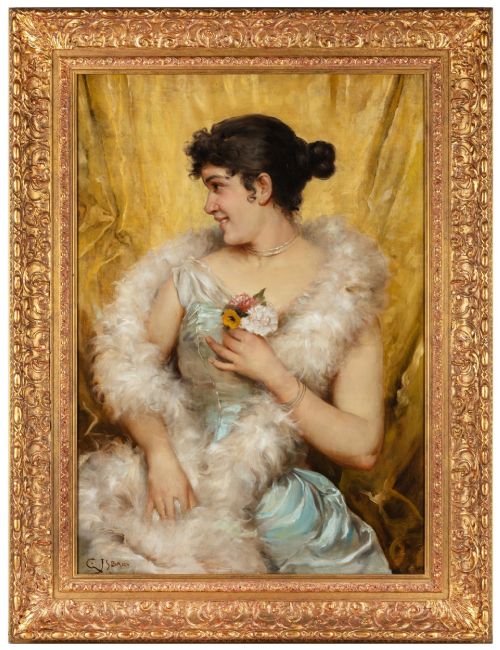
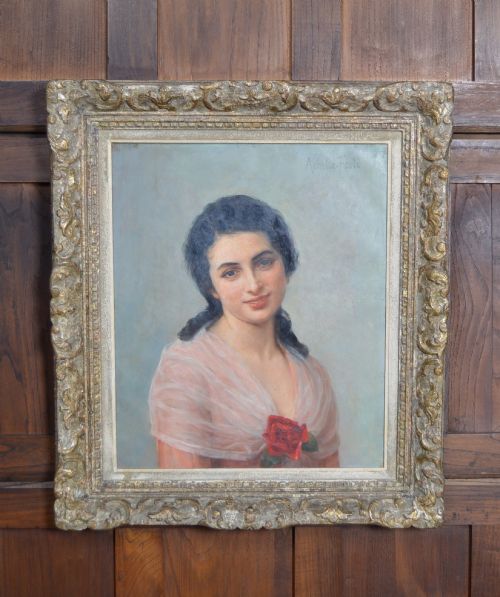
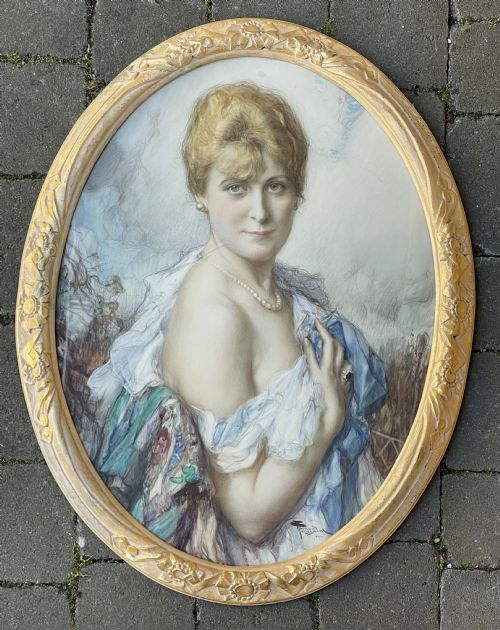
Belle epoque artwork captures the visual culture of late nineteenth and early twentieth century France through paintings and framed prints. When searching for belle epoque artwork, collectors encounter oil paintings and watercolours depicting urban scenes, portraits of young beauties, and cityscape views.
The pieces on this page span the Victorian period, 19th century, and the early decades of the twentieth century. Common formats include oil on canvas and watercolour paintings set in frames.
Subjects range from Parisian streetscapes like the Place de la Trinite to intimate portraits of figures in period dress. These works reflect French impressionism and French academic styles.
How they were made
Artists applied oil paint to canvas or watercolour pigments to paper, capturing light and atmosphere in the manner of French impressionism. Canvases are frequently housed in wood frames featuring gold leaf or giltwood finishes.
Framed prints and paintings utilise glass for protection where appropriate, paired with gilt moulding to complement the academic and impressionist aesthetic of the period.
Periods represented span the Victorian era, the nineteenth century, and early twentieth century French art.
What varies in quality
Quality rests in the handling of the medium, whether the oil on canvas displays confident brushwork or the watercolour captures fine detail in portraiture and architecture. The depth of the framing, particularly original giltwood and gold leaf surrounds, contributes significantly to the presence of the piece.
Signed works by documented artists carry stronger attribution than anonymous pieces, though unsigned nineteenth century paintings can still demonstrate accomplished academic technique.
G. J. S. Bary·Achille Fould·Albert Ludovici Jnr·Victor Gabriel Gilbert·Albert Guillaume·Paul Viry·Fernand Toussaint·Emile Vernon·Gaston Bouy
The Belle Epoque Artwork Glossary
- Oil on canvas
- A painting medium where pigments are suspended in drying oil applied to a stretched fabric support. It allows for rich colour blending and texture.
- Watercolour
- A paint where the colourants are suspended in a water-soluble vehicle, typically applied to paper. It produces translucent washes of colour.
- Giltwood
- Wood that has been coated with a thin layer of gold leaf or gilt powder. It is commonly found on traditional picture frames from this era.
- French Impressionism
- An art movement developed in France characterised by relatively small, thin yet visible brush strokes and an emphasis on accurate depiction of light.
Belle Epoque Artwork: Frequently Asked Questions
What subjects appear in these paintings?
The subjects include Parisian cityscapes, street scenes, and individual portraits of women in period attire. Artists focused on capturing daily life and urban architecture in France.
Scenes range from views of the Eglise de la Sainte-Trinite to intimate interior portraits of young beauties in satin dresses.
How do I date a piece?
Dating relies on stylistic clues, artist lifespans, and framing materials typical of the nineteenth and early twentieth centuries. Many works carry signatures or dates inscribed by the artist.
Purchasers also look at the transition from nineteenth century academic realism towards impressionist techniques to place a work in its decade.
Are the frames original?
Frames often match the period of the artwork, utilising wood with gold leaf or gilt finishes. Some pieces retain their contemporaneous framing while others have been reframed later.
Examining the corner joints and the wear on the giltwood helps determine if the frame has travelled with the canvas for a century.
How should I display these works?
These paintings suit traditional and eclectic interiors where framed oil on canvas or watercolour can become a focal point. Direct sunlight should be avoided to protect pigments and paper.
Hanging them at eye level in well-lit rooms allows the giltwood frames and impressionist brushwork to be appreciated fully.