



Framed Floral Watercolour Study
A framed floral watercolour study brings botanical life to a wall, captured on paper through delicate pigment and preserved behind glass in wood.
Framed Floral Watercolour Study
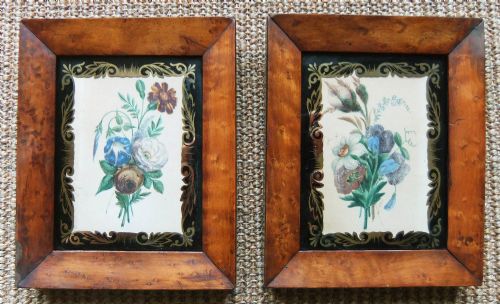
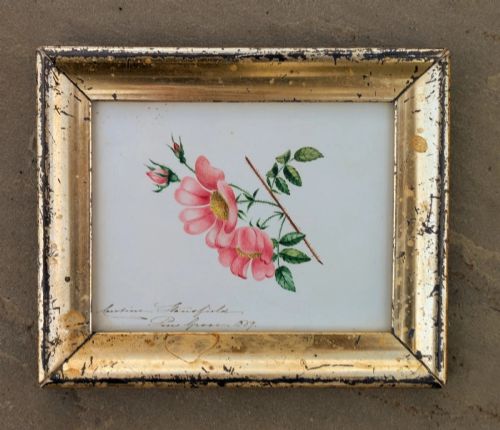
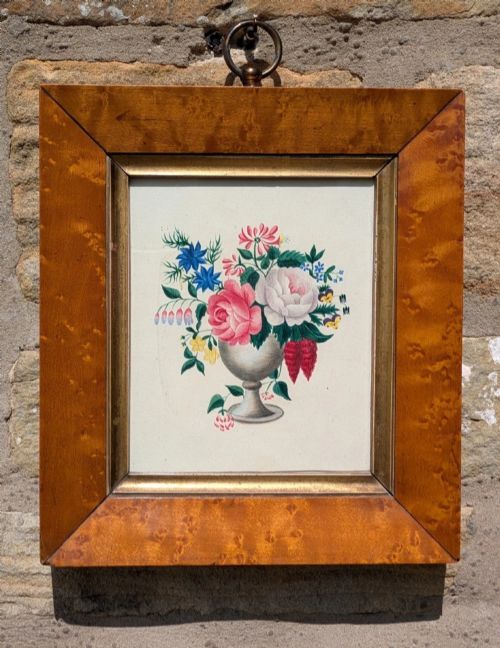
A framed floral watercolour study presents botanical subjects rendered on paper using watercolour paint, often alongside gouache and pencil. These works take the form of paintings and wall art, capturing specimens from fuchsias and wild roses to pansies and wallflowers.
The selections span the Regency and Victorian eras through to the 1920s, 1930s, and mid-20th century. Buyers encounter both individual sheets and sets of studies depicting specific blooms such as azaleas, polyanthus, and pelargoniums.
Originating largely from British regional and named hands, these pieces arrive ready for display in period frames. The visual focus remains squarely on the precise rendering of plant life from centuries past.
Materials and construction
Artists painted directly onto paper surfaces, utilising watercolour paint, gouache, and pencil to build up botanical detail and colour variation. These sheets were subsequently secured within protective wood and gilt wood frames beneath glass.
Heavier timber frames, including burr wood and metal elements, appear across the Victorian and twentieth-century examples to support and display the works. The mounting protects the delicate paper medium from atmospheric damage while maintaining structural integrity.
Framed Floral Watercolour Study Retail Price Guide 2026
Typical asking prices for framed floral watercolour study among the pieces listed under this phrase on Sellingantiques today, from the lower quarter to the upper quarter. They describe what is for sale here now, not the wider market.
The listings feature works spanning the nineteenth century, Regency and Victorian eras, up to mid-century modern British pieces.
Factors of quality
Quality rests on the precision of the botanical draftsmanship and the subtlety of the watercolour wash. Works that capture botanical accuracy with fine pencil underdrawing and controlled pigment stand apart from simpler decorative sketches.
The preservation of the paper and the integrity of the original frame contribute significantly to the standing of a piece. Clean paper free from heavy fading allows the hand of the artist to show clearly through the glass.
Grace Hastie·Phyllis I Hibbert·Marian Chase·Charlotte Isa James·Alice Macallan Swan·Marion Broom·Annie Mary Youngman·M.K Rhodes·Minnie Smythe
The Framed Floral Watercolour Study Glossary
- Watercolour
- A paint consisting of pigment suspended in a water-based solution, applied to paper to create translucent washes of colour. It forms the primary medium for botanical studies.
- Gouache
- An opaque water-based paint used alongside watercolour to add solid highlights and dense areas of colour to a floral study. This medium provides sharp contrast against delicate washes.
- Gilt wood
- Wood coated with a thin layer of gold leaf or gold paint, frequently used for traditional picture frames. It adds a warm metallic border around the artwork.
- Burr wood
- Wood featuring distorted grain patterns formed where a tree has undergone stress, sliced into decorative veneers for frames. This material offers rich texture and depth.
- Botanical study
- A detailed painting or drawing created to record the precise structure and appearance of a plant. These works combine scientific observation with artistic skill.
Framed Floral Watercolour Study: Frequently Asked Questions
How do I hang a framed floral watercolour study?
Hang these works away from direct sunlight to prevent the watercolour pigments and paper support from fading over time. Ensure the wall fixings match the weight of the wood and glass frame.
Keep the pieces in rooms with stable humidity levels to protect the paper and wooden framing materials from warping or moisture damage.
What subjects appear in these floral watercolours?
The works depict a wide variety of flora, including fuchsias, wild roses, pansies, wallflowers, azaleas, polyanthus, cosmos, and pelargoniums. Some pieces focus on single specimen studies while others arrange multiple blooms together in jugs.
Artists also produced pairs and sets of studies, allowing collectors to display related botanical watercolours side by side.
How can I tell the period of a watercolour?
The framing materials, mounting style, and paper characteristics often offer clues to the age of a piece. Regency and Victorian works typically feature specific paper weights and frame profiles distinct from mid-20th-century examples.
Signatures, handwriting on the reverse, and recorded artist dates further help establish the timeline of creation.
What is the difference between watercolour and gouache?
Watercolour relies on translucent washes that allow the white of the paper to shine through the pigment. This creates a luminous and delicate effect characteristic of traditional botanical art.
Gouache includes an added white pigment that makes the paint opaque, allowing artists to build solid, flat areas of colour and sharp highlights.