



Watercolour Flower Study
These watercolour flower study pieces capture botanical specimens in paper paintings, offering buyers delicate floral art from various historical periods.
Watercolour Flower Study
A watercolour flower study is a painted depiction of botanical subjects, rendered on paper and framed for display as wall art.
Buyers browsing this selection frequently encounter nineteenth-century examples alongside twentieth-century botanical still-life paintings.
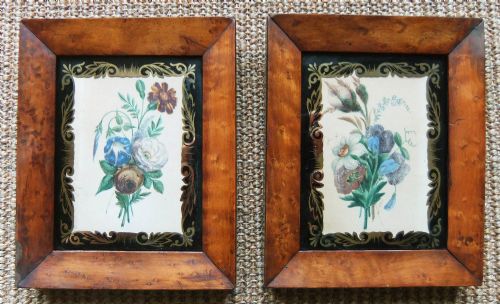
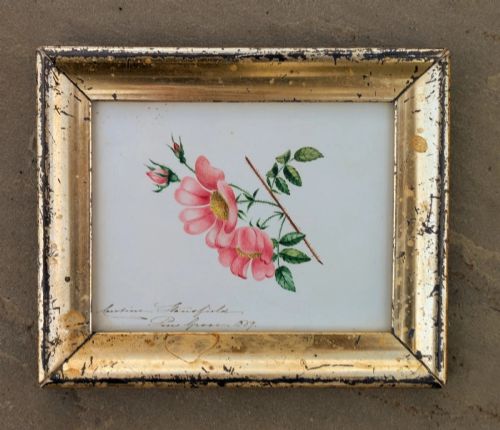
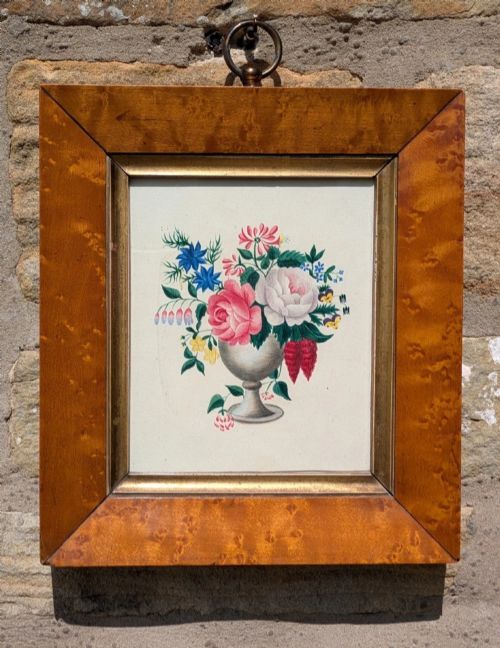
The objects take the form of framed paintings and works on paper showing floral subjects like roses, pansies and azaleas.
How they were made
Artists painted on paper using watercolour paint, and occasionally gouache, to achieve fine botanical detail.
Completed paintings typically sit within wooden frames, frequently incorporating glass and sometimes burr wood or gilt wood components.
Watercolour Flower Study Retail Price Guide 2026
Typical asking prices for watercolour flower study among the pieces listed under this phrase on Sellingantiques today, from the lower quarter to the upper quarter. They describe what is for sale here now, not the wider market.
The listings span the Regency period, Victorian era, and the mid-twentieth century, featuring paper, wood, and glass materials.
What varies in quality
Quality rests upon the precision of the brushwork and the lifelike rendering of botanical petals and leaves.
The depth of composition and the handling of colour differentiate standard decorative examples from masterly artistic studies.
Edith Barrow·Grace Hastie·Phyllis I Hibbert·Marian Chase·Charlotte Isa James·Alice Macallan Swan·Marion Broom·Annie Mary Youngman·M.K Rhodes·Minnie Smythe·M Clay·Olive Higginbottom·L E Hole·Otto Soltau·William Edward Frost
The Watercolour Flower Study Glossary
- Watercolour paint
- A water-soluble pigment medium applied to paper to create translucent layers of colour. It forms the primary medium for these botanical compositions.
- Gouache
- An opaque water-based paint that provides heavier coverage and brighter highlights than standard watercolour. Artists utilised it to add density to floral elements.
- Botanical study
- A detailed visual recording of plant life intended for scientific accuracy or aesthetic appreciation. These works focus closely on specific blooms and foliage.
- Still life
- An artwork depicting inanimate subject matter, typically everyday objects or cut flowers arranged in vases and jugs. It serves as the primary compositional format here.
Watercolour Flower Study: Frequently Asked Questions
What subjects do watercolour flower studies show?
The artworks depict various botanical subjects, including wild roses, pansies, azaleas, wallflowers, and cosmos flowers arranged in jugs or vases.
Certain pieces also incorporate natural elements such as snails or bees alongside the floral arrangements.
How should I display these paintings?
These framed works suit wall art placement in domestic interiors, protected behind glass within wooden frames.
Keeping them away from direct sunlight preserves the delicate pigments used in the watercolour paint.
When were these artworks created?
The pieces span multiple periods, ranging from the Regency era and Victorian times through to the early and mid-twentieth century.
Nineteenth-century examples share space with 1920s and 1950s modernist British botanical compositions.
What materials make up these frames?
Frames are constructed from wood, with specific examples utilising burr wood or gilt wood finishes.
Glass fronts protect the delicate paper surfaces from dust and environmental damage.