



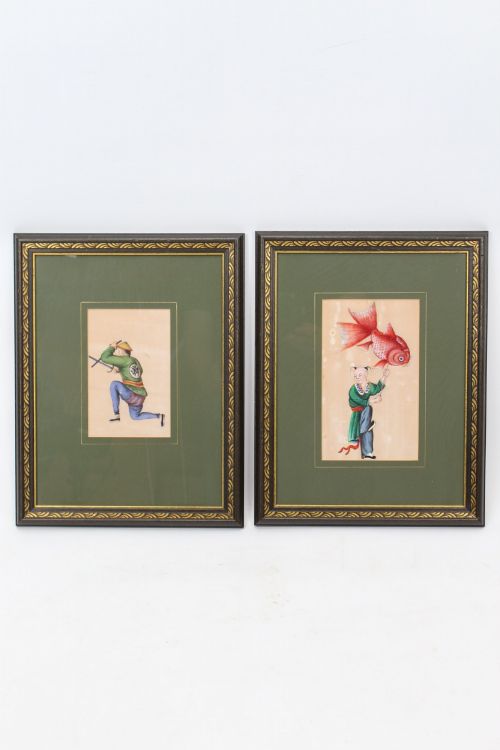
Framed Fish Painting
When you search for a framed fish painting, you are looking at maritime scenes, coastal watercolours and harbour works rendered in oil and paper from the nineteenth and twentieth centuries.
Framed Fish Painting
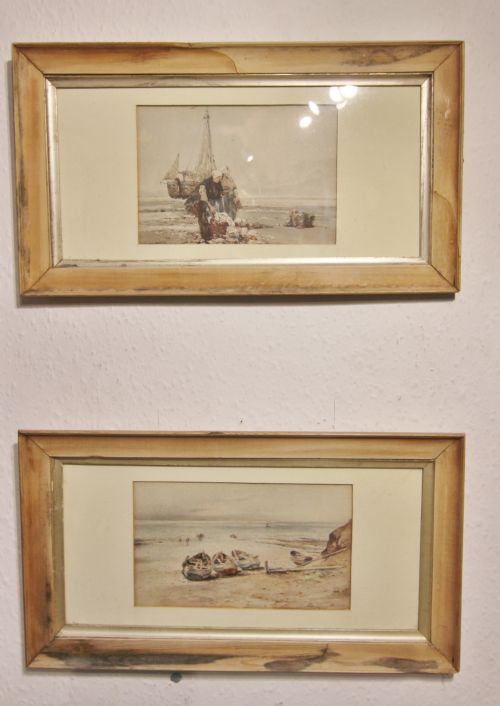
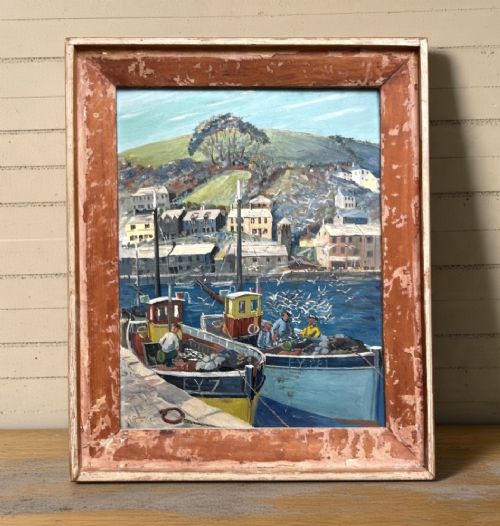
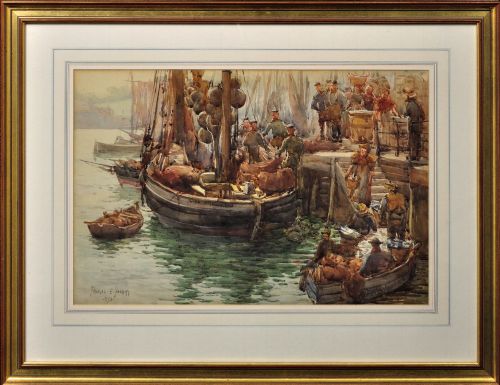
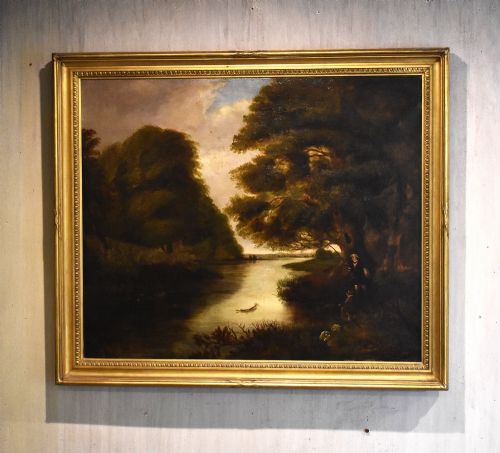
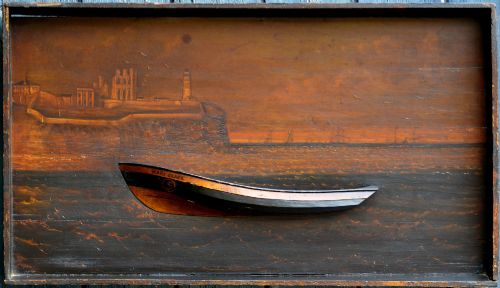
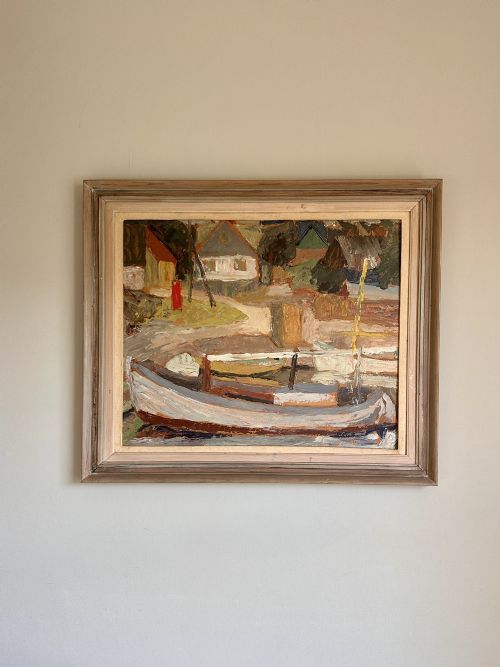
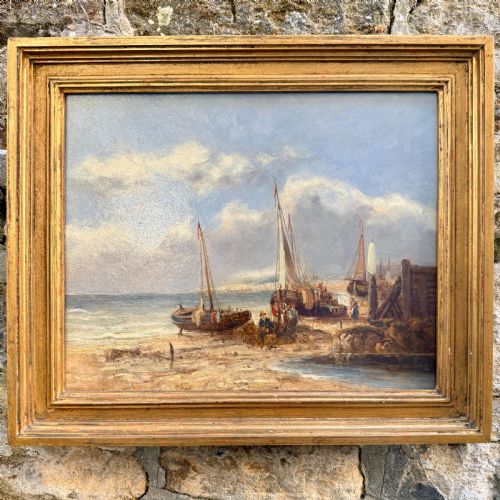
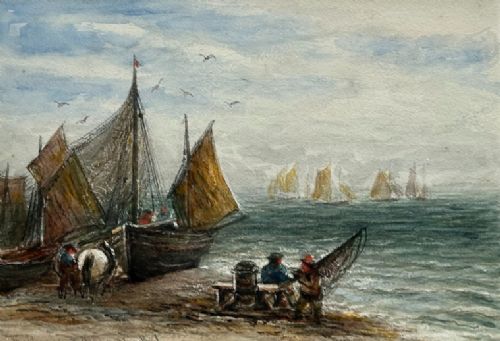
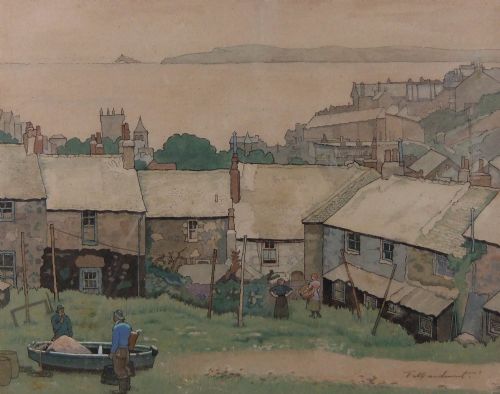
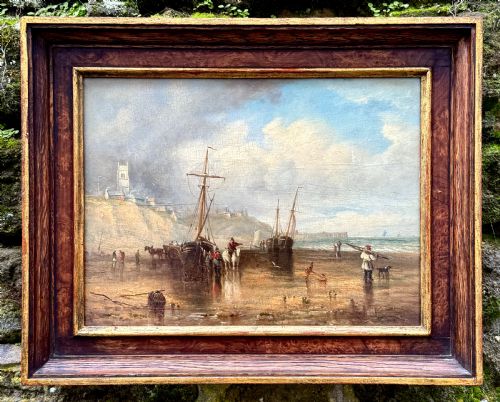
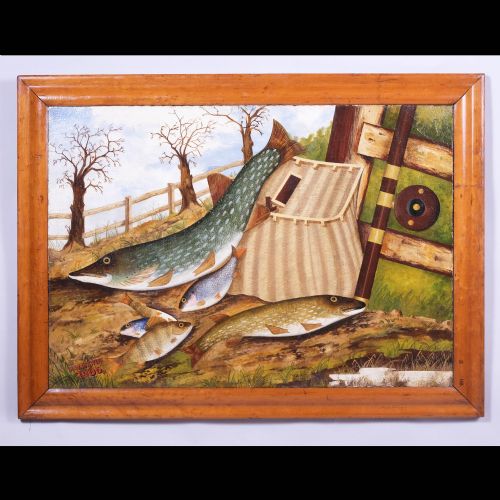
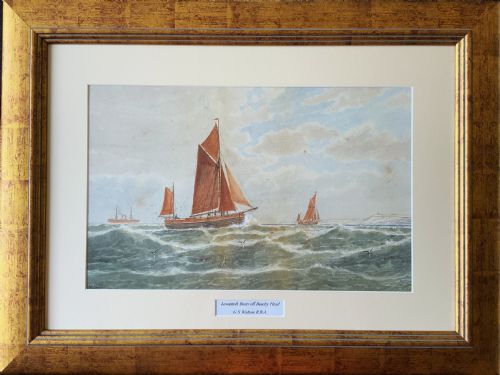
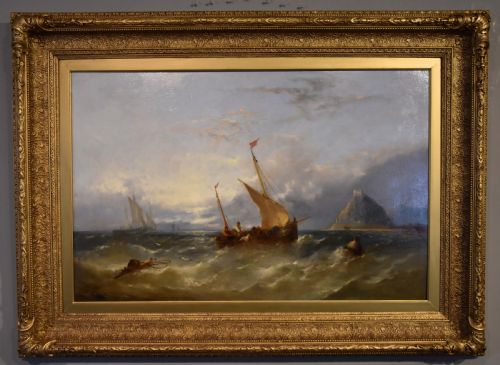
A framed fish painting typically depicts maritime life, coastal harbours, fishing boats and seaside scenes rather than isolated studies of fish, though figurative works involving monks and anglers also appear. These pieces span the Victorian period through the mid-twentieth century, capturing British and European coastal subjects in oil and watercolour.
The form is dominated by framed artworks on canvas, panel, card and paper, housed within wood and gilt surrounds. Collectors meet works ranging from intimate watercolours to large marine oil paintings executed by named British and continental artists.
Harbour views and coastal landscapes make up the core of these listings, often documenting specific locations such as St Ives, Lowestoft, Cornwall and various fishing villages. The framing is integral to the presentation, utilising period wood and gilt moulding to complement the maritime subject matter.
How They Were Made
Artists worked primarily in oil paint on canvas, panel or board, and in watercolour on paper, applying pigments to capture the atmospheric light of coastal environments. Canvases were stretched over wooden frames, while panels provided a rigid surface for detailed brushwork.
Works on paper were executed with watercolours, sometimes heightened with bodycolour, and protected behind glass within wooden and gilt frames. The physical construction relies on traditional joinery for the frames and stable grounds of canvas, paper or wood for the painted surfaces.
Framed Fish Painting Retail Price Guide 2026
Typical asking prices for framed fish painting among the pieces listed under this phrase on Sellingantiques today, from the lower quarter to the upper quarter. They describe what is for sale here now, not the wider market.
Supported materials include paper, wood, glass, canvas, and gilt framing.
What Varies in Quality
Quality rests in the handling of light and water, the fidelity of the coastal topography and the directness of the brushwork. Master painters command attention through the convincing movement of choppy seas and the atmospheric rendering of harbour light.
The preservation of the original surface and the appropriateness of the framing matter significantly. Surviving in original frames with untouched painted surfaces elevates an artwork above compromised examples that have undergone heavy restoration.
James Orrock·Thomas Creswick·Thomas Maidment·William Henry Williamson·Florence Adelina Hess·John Holland·George Stanfield Walters·Edward Matthew Elliott·Charles Napier Hemy·Gyrth Russell·William Lee Hankey·Pieter Cornelis Dommersen·James Kyd·Owen Bowen·George SHAW·Thomas Bush Hardy·George Gregory·Frank Hyde·Frederick William Hattersley
The Framed Fish Painting Glossary
- Seascape
- A work of art depicting the sea, coastal views or marine activity. These paintings often focus on fishing vessels, harbours and maritime weather.
- Gilt
- Covered thinly with gold leaf or gold paint. Frames utilising this finish add brightness and traditional presentation to maritime paintings.
- Watercolour
- Paint consisting of a solution of colour in water, using gum binder for adherence. This medium was frequently employed for rapid coastal studies and detailed harbour scenes.
- Panel
- A flat piece of wood used as a support for a painting. Panels offered a smooth, rigid alternative to stretched canvas during the nineteenth century.
Framed Fish Painting: Frequently Asked Questions
What periods do these paintings come from?
The pieces span from the nineteenth century through the Victorian and Edwardian eras into the mid-twentieth century.
Most examples date between eighteen-eighty and nineteen-sixty, reflecting periods of strong maritime and coastal art production.
How should I hang a framed marine painting?
Hang the artwork away from direct sunlight and excessive humidity to protect the canvas, paper and gilt frames.
Ensure the wall fixings match the weight of the frame, particularly for large nineteenth-century oil paintings.
Are these paintings signed by the artists?
Many works retain signatures or inscriptions by the original artists, while others represent the broader British school.
Signatures often appear in the lower corners of the canvas or watercolour paper.
What materials are used in the frames?
Frames are constructed primarily from wood, often finished with gilt or painted surfaces to complement the artwork.
Period frames frequently feature moulded details and corner ornaments typical of their decade of manufacture.