


Framed Fine Art Picture
When you search for a framed fine art picture, you enter a world of painted canvases, watercolours and historic prints preserved behind glass in period surrounds.
Framed Fine Art Picture
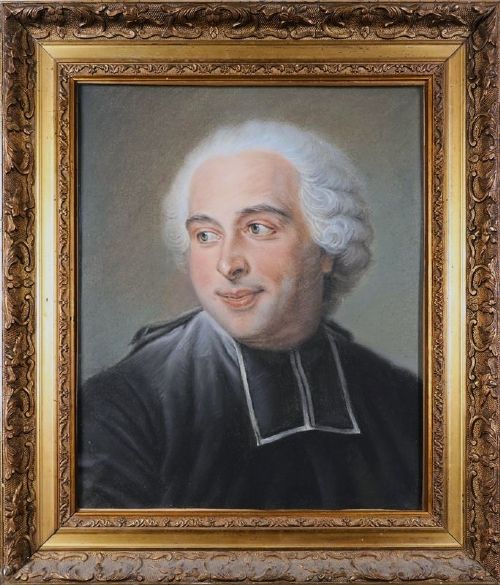
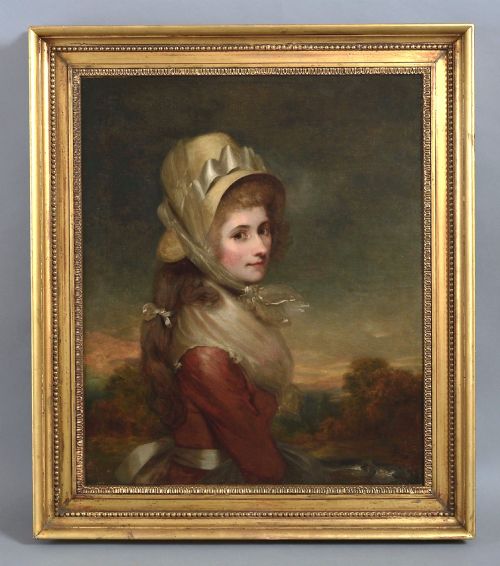
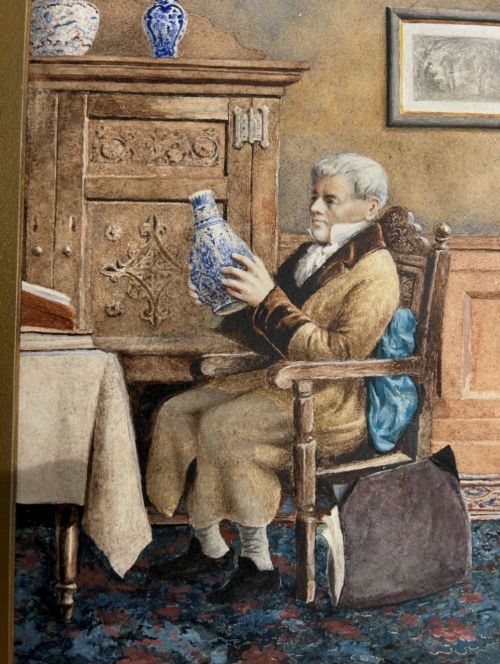
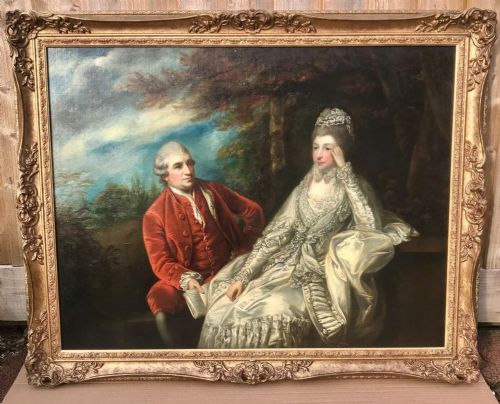
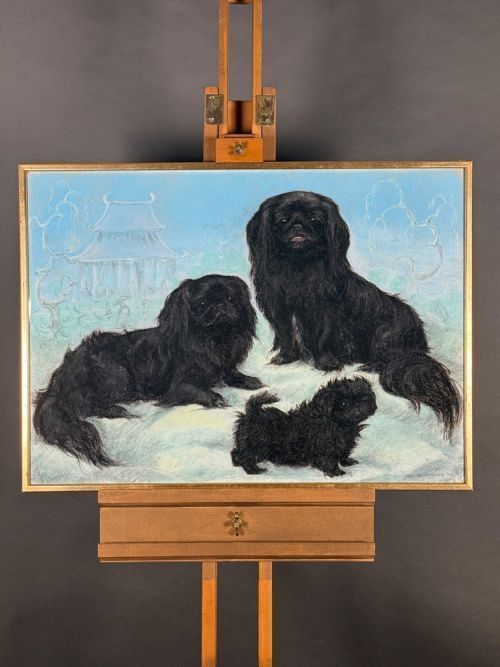
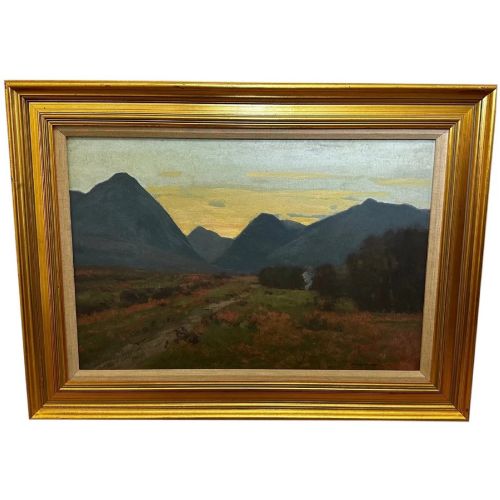
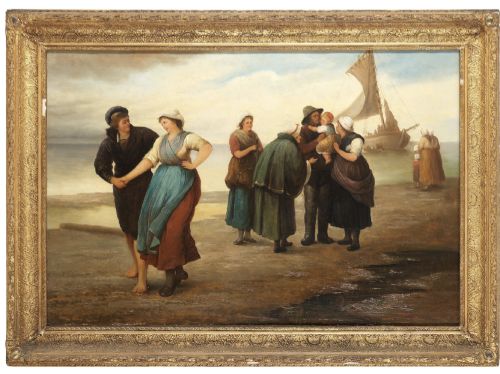
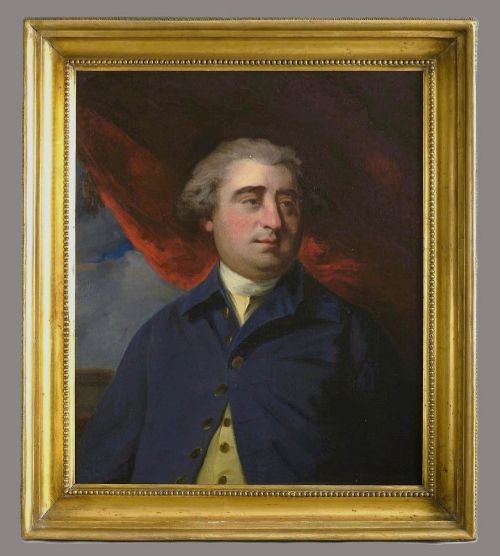
A framed fine art picture on this page encompasses centuries of pictorial tradition, stretching from the eighteenth century into the twentieth. You encounter portraits, landscapes and genre scenes executed in oil, pastel, watercolour and gouache.
The selections span distinct historic periods including Georgian, Victorian, Edwardian and mid-twentieth century eras. Works originate from British, French, Italian, Danish and Flemish schools, reflecting diverse regional aesthetics.
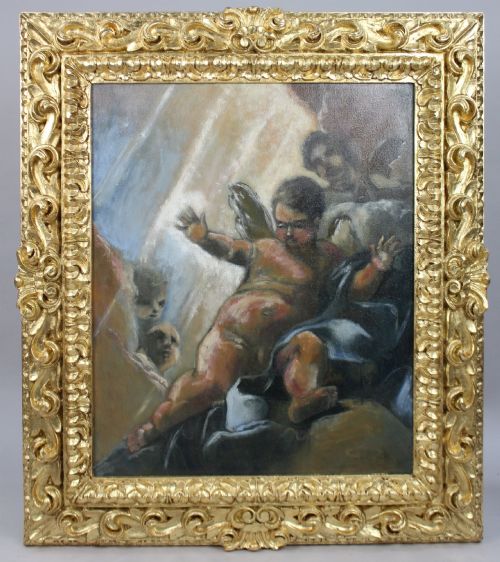
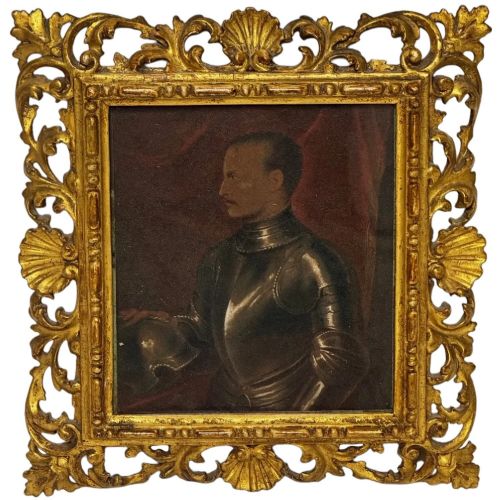
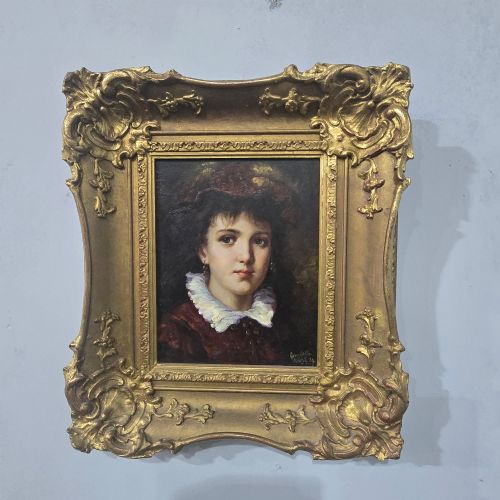
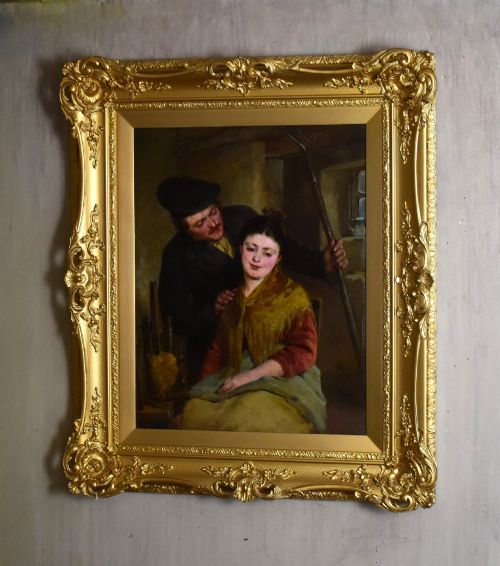
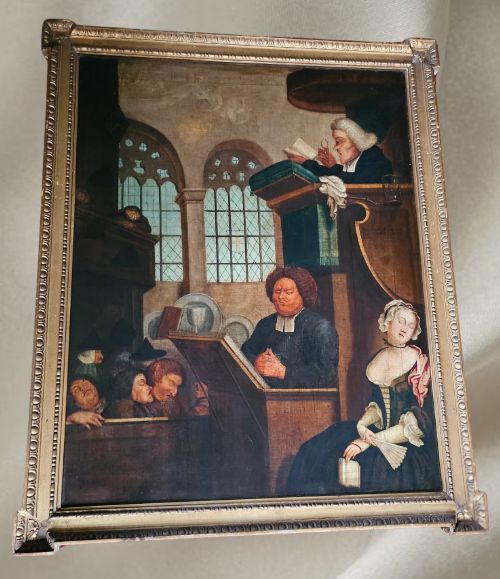
Most entries combine an original painting or print with a protective or decorative surround. These housings range from simple timber mouldings to ornate carved giltwood frames embellished with gesso.
Materials and Techniques
Makers utilised oil on canvas or wood panels, alongside watercolours and pastels on paper, building pigment layers with precision. Canvas supports received grounds before application of paint, while panels offered rigid foundations.
Surrounds were fashioned from timber, often enriched with carved gesso and finished with gold leaf or metallic gilt. Glass protected delicate works on paper from atmospheric damage while securing the assembly within the rebate of the frame.
The selection includes formal portraiture, pastoral landscapes, maritime views and genre scenes created by diverse European schools.
Distinctions in Execution
Excellence rests in the handling of light, anatomical precision and the vitality of brushwork across the painted surface. Superior examples demonstrate confident draughtsmanship and sophisticated colour harmonies that elevate the composition.
The integrity of the frame contributes significantly to the overall merit of the piece. Hand-carved giltwood mouldings that match the period of the artwork hold greater distinction than later replacement housings.
Sir Martin Archer Shee·Sir Anthony van Dyck·Sebastiaan Vrancx·Henry Stacy Marks·Joshua Reynolds·George Houston·Howard Helmick·William Hogarth·Edward Ladell·Sir John Gilbert·Carl Felkel·Harald Foss·Thomas Maidment·Henrietta Rae·John Bond·Joseph Farquharson·Louis Icart·Valdemar Magaard·Renato Moretti·Emily Eyres·Percy Lancaster·Robert Watson·William Greaves·Thomas Kent Pelham·Henry Schouten
The Framed Fine Art Picture Glossary
- Giltwood
- Timber that has been coated with gold leaf or a gold-coloured finish. This material appears frequently on elaborate historic frames.
- Gesso
- A plaster-like mixture applied to wooden frames as a base for carving and gilding. It allows artisans to shape intricate relief ornamentation.
- Mezzotint
- A printmaking process of the tonal engraving family where the plate is roughened to achieve subtle gradations of light and shade. It gained popularity for reproducing oil paintings.
- Provenance
- The documented history of ownership associated with an artwork. It helps establish authenticity and tracks the passage of the piece through time.
Framed Fine Art Picture: Frequently Asked Questions
How do I identify the period of a frame?
Examine the timber construction, joinery methods and the composition of the gesso ornamentation beneath the gilding. Earlier surrounds often display hand-carved details and organic wear patterns consistent with age.
Compare the moulding profile with documented historic styles from Georgian or Victorian eras. Secondary woods visible at the reverse also offer clues regarding manufacturing date.
Are watercolours always displayed behind glass?
Works executed on paper in watercolour, pastel or gouache require glass protection to shield the pigments from moisture and airborne pollutants. This barrier preserves the delicate medium from physical smudging and fading.
Oil paintings on canvas rarely require glass unless they possess extreme fragility or historical significance. Direct exposure allows the textured brushwork of oils to remain visible without reflection.
What is the difference between an oil painting and a mezzotint?
An oil painting is a unique, hand-painted creation where pigment suspended in drying oil is applied directly to canvas or board by an artist. Each brushstroke represents a singular act of creation.
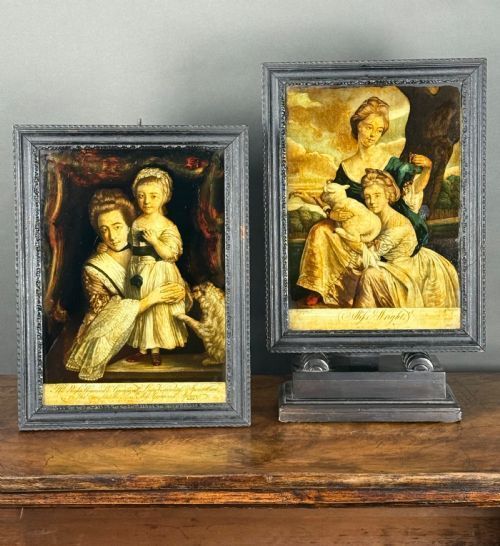
A mezzotint is a print created from an engraved metal plate, allowing multiple impressions to be pulled from the master matrix. These prints often reproduce famous painted works for wider distribution.
How should I hang historic framed art?
Select an interior wall away from direct sunlight and severe temperature fluctuations to protect both canvas and wooden framing. Proper picture wire and secure wall fixings suited to the weight of the piece are essential.
Maintain stable humidity levels in the room to prevent timber shrinkage and cracking in the gesso decoration. Regular inspection of hanging cords ensures long-term security.