
Framed Figure Painting
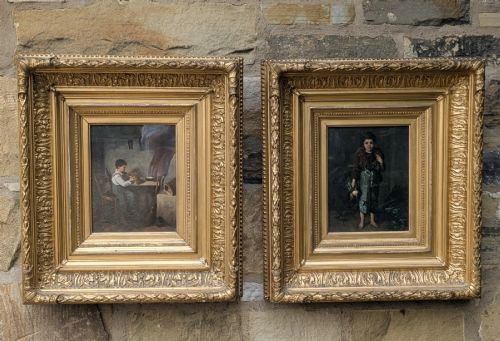
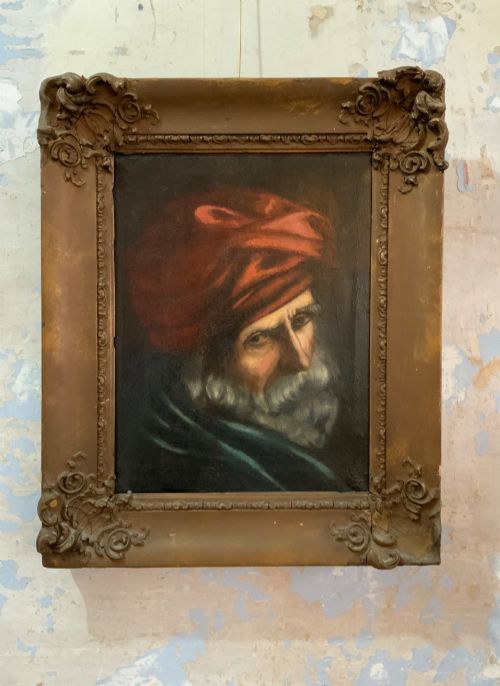
A framed figure painting brings human presence and narrative depth into a room, drawing the eye through portraiture, classical scenes, and genre studies.
Framed Figure Painting
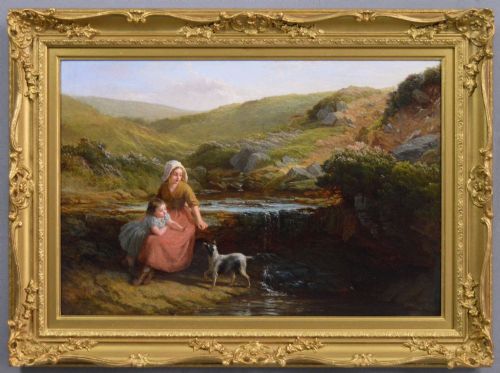
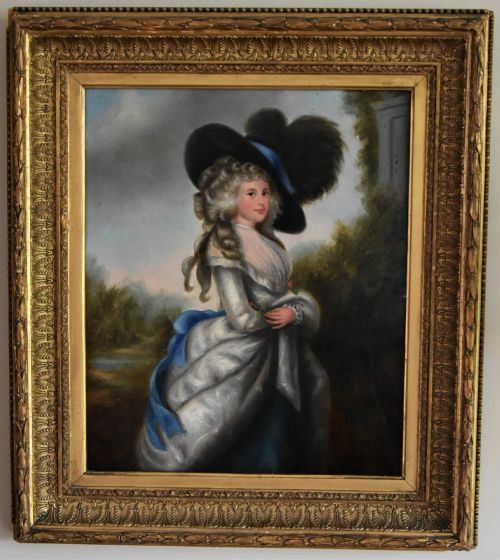
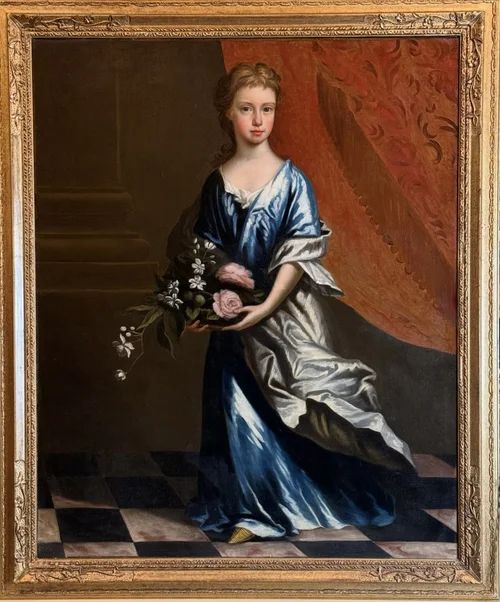
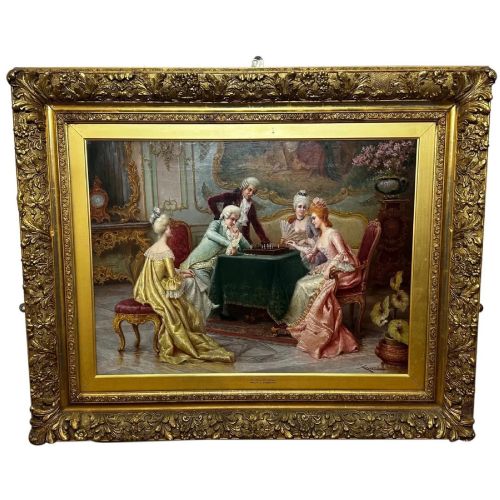
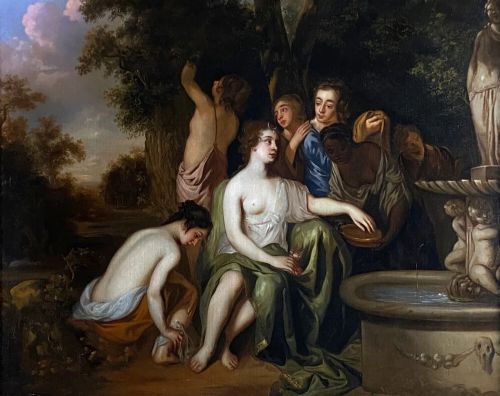
A framed figure painting encompasses works where human subjects take centre stage, ranging from intimate single portraits to expansive historical and mythological scenes.
The selections span centuries of artistic production, with the nineteenth century heavily represented alongside seventeenth-century masterworks and mid-century interpretations.
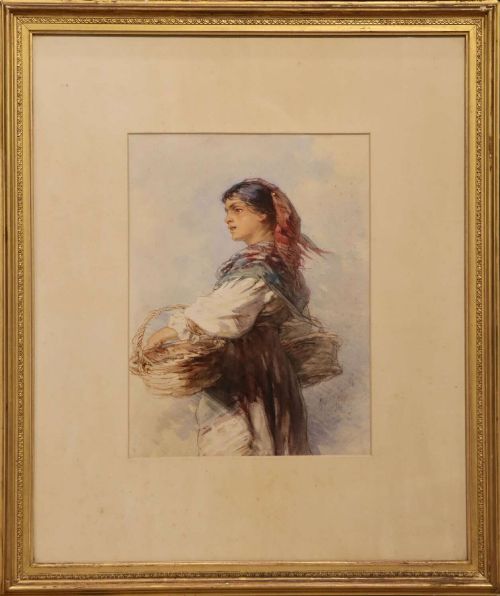
Buyers encounter oil on canvas alongside waterworks on paper, each retaining its original relationship with period framing and wooden supports.
Materials and construction
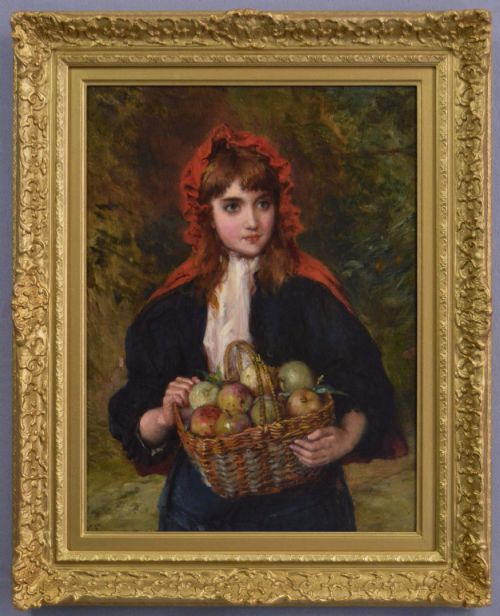
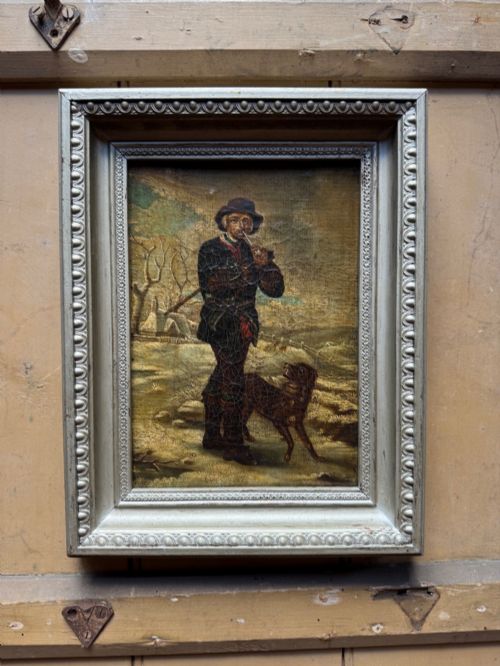
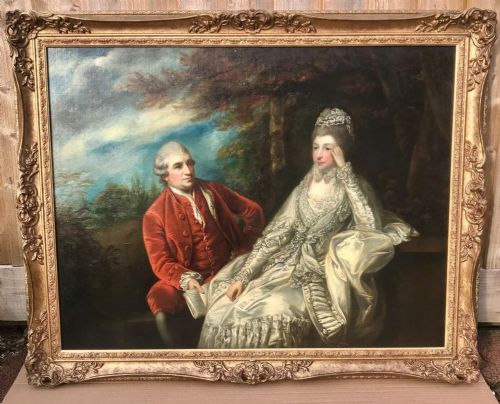
Pigments ground in oil provide the rich, buildable depth seen across the canvas works, allowing for subtle tonal shifts in flesh and fabric.
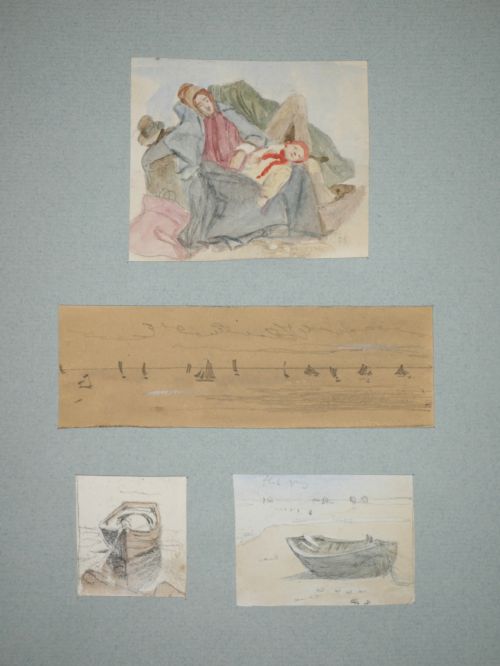
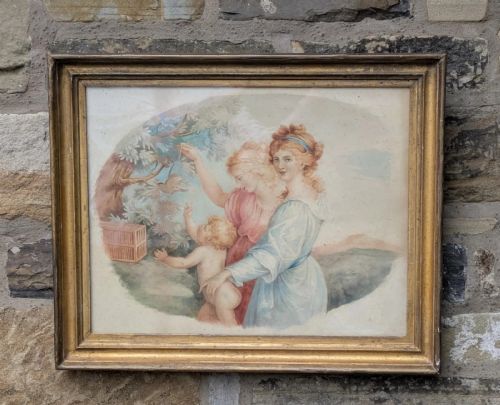
Watercolour and ink on paper capture rapid observation and preparatory study, mounted beneath glass to protect delicate surfaces.
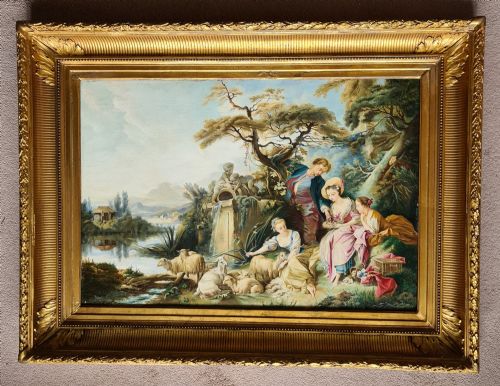
Gilt and carved giltwood frames enclose the paintings, acting as structural extensions of the artwork that define its period boundary.
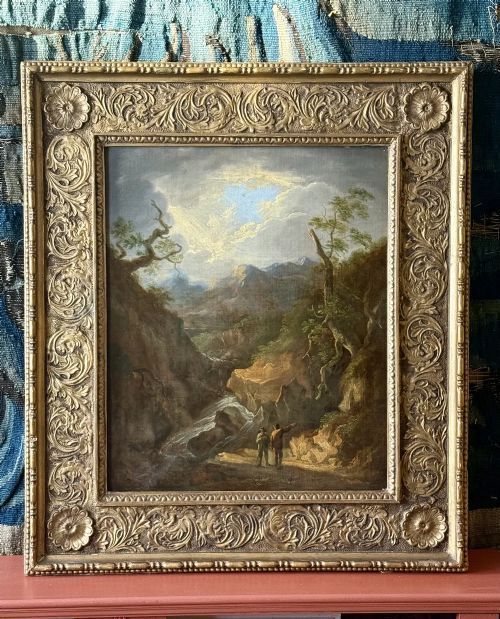
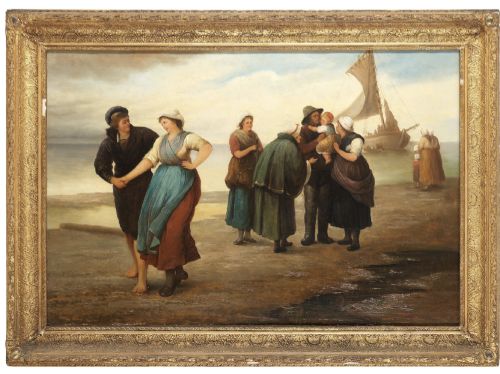
Portraits and classical scenes dominate the selection, accompanied by landscape and marine subjects featuring human figures.
Evaluating execution
Anatomical conviction and the handling of light across form separate routine studio production from the confident brushwork of skilled hands.
The integrity of the surface, from stable oil layers to well-preserved paper, dictates the visual clarity remaining in the composition.
The harmony between the artwork and its period frame influences the visual coherence of the piece as an integrated historic object.
William Oliver·Sir Peter Lely·James Smetham·Sir Godfrey Kneller·Joshua Reynolds·Francois Boucher·Thomas Barker of Bath·Thomas W Lascelles·Benjamin Barker of Bath·Charles D’Agar·Eric Robertson·Robert John Hammond·W.D. Almond·Walter Heath Williams·James Stroudley·Ethel Sands·Guillaume Courtois·Stephen Pearce·Lena Gurr·Christine Nesbit·Thomas Spinks
The Framed Figure Painting Glossary
- Oil on Canvas
- Pigment mixed with drying oil applied to a stretched woven fabric support. This combination offers durability and rich colour blending.
- Watercolour
- A paint consisting of colour suspended in a water-soluble binder, traditionally applied to paper. It yields translucent washes and delicate detail.
- Giltwood
- Wood carved and coated with a thin layer of gold leaf or powder. It provides reflective ornamentation standard on traditional picture frames.
- Provenance
- The documented history of ownership of an artwork. It helps establish authenticity and historical context.
- Genre Painting
- A pictorial representation of scenes from everyday life. These works depict ordinary people engaged in common activities.
Framed Figure Painting: Frequently Asked Questions
How do I hang a heavy oil painting?
Heavy oil paintings require secure fixings anchored directly into wall studs or masonry using appropriate picture hooks rated for the weight.
Ensure the hanging wire or D-rings on the frame are structurally sound before mounting the piece at eye level.
Should I display paintings in direct sunlight?
Direct sunlight accelerates the fading of pigments and can cause canvas or paper supports to dry out and degrade over time.
Position paintings away from south-facing windows or use UV-filtering glass to protect sensitive watercolours and oils.
How do I clean an antique frame?
Gently dust carved giltwood frames with a soft, dry brush to remove surface particles without disturbing the delicate gold leaf.
Avoid using liquid cleaners or commercial polishes, which can strip historic finishes and damage the wood.
What is the difference between an oil and a watercolour?
Oils use pigment suspended in drying oil on canvas or board, allowing for thick impasto and deep, luminous colour layering.
Watercolours use water-soluble pigments on paper, creating translucent, light-reflective compositions that require glass protection.