




Classical Woman Portrait Painting
A classical woman portrait painting captures the elegance and character of historical female subjects through traditional fine art mediums.
Classical Woman Portrait Painting
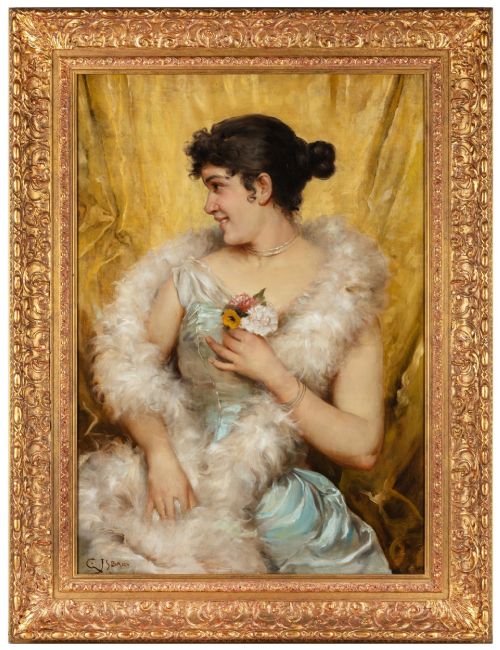
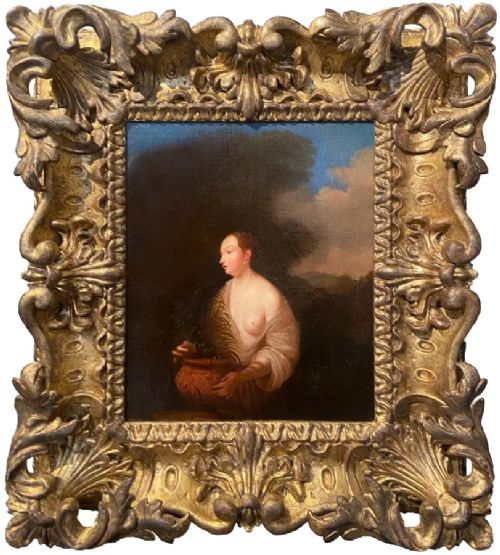
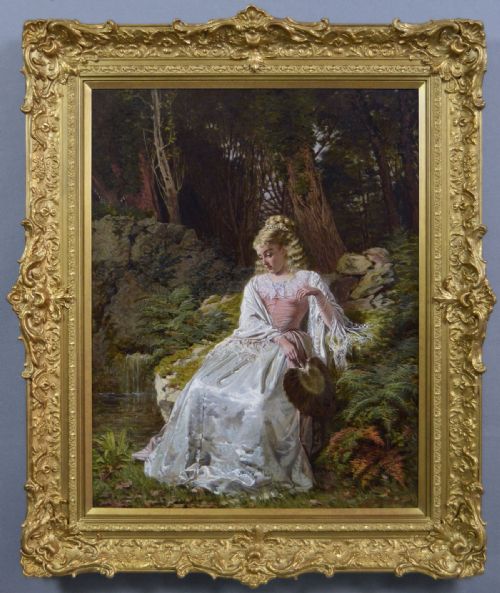
A classical woman portrait painting presents female subjects in historical attire, mythological settings, or traditional compositions across various centuries. These artworks capture the likeness and idealized grace of women through meticulous brushwork and structured portraiture. Buyers seeking a classical woman portrait painting will encounter diverse interpretations ranging from academic studies to romanticized genre scenes.
The pieces available here predominantly feature oil paint on canvas alongside pastels, watercolours, and occasionally sculptural works like terracotta busts. Dating primarily from the seventeenth through to the nineteenth century, these portraits reflect the aesthetic shifts of periods such as the Georgian, Victorian, and Baroque eras. Many examples emulate earlier Renaissance traditions or present contemporary interpretations of historical female subjects.
Subjects range from named historical figures and artists' daughters to anonymous young beauties, ladies with fruit baskets, and women engaged in everyday musical pursuits. The compositions frequently employ traditional framing methods, including giltwood and gilded wood surrounds that complement the fine art within. Each piece offers a distinct window into past artistic conventions regarding female representation.
Materials and technique
The creation of these portraits relies fundamentally on oil paint applied to stretched canvas, board, or wood panels. Artists built up layers of pigment to achieve depth in skin tones, drapery, and background elements, often utilising rich glazes to create luminosity. Alternative works employ pastel or watercolour on paper, capturing delicate textures and softer facial expressions.
Frames form an integral part of the physical object, constructed from wood and finished with gold leaf or giltwood. These ornate surrounds were designed to complement the academic or decorative style of the painting. The combination of durable oil media and solid wood support structures has allowed these historic portraits to endure across centuries.
Listings feature works executed in oil on canvas, pastel, and watercolour, alongside bronzed terracotta sculptures.
Evaluating the work
The preservation of the original canvas, the stability of the paint layers, and the authenticity of the surrounding gilt frame significantly influence the standing of a piece. Works retaining their original stretched canvas and period-appropriate framing offer a more complete historical artefact. Condition reports generally address past restoration work and the natural craquelure expected in centuries-old oil paintings.
G. J. S. Bary·Toussaint Gelton·Paolo Veronese·Thomas Edward Roberts·Jean-Marc Nattier·Gainsborough·William Joseph Carroll·Willem Johannes Martens·Balthasar Denner·Pierre-Louis Bouchard·John Michael Wright·George Henry Harlow·Antonio Ribas Y Oliver
The Classical Woman Portrait Painting Glossary
- Oil on Canvas
- A traditional painting technique where oil-based pigments are applied to a woven fabric support stretched over a wooden frame. This medium allows for rich colour blending and gradual drying times.
- Giltwood
- Wood that has been treated with a thin layer of gold leaf or gilt powder to create a metallic decorative finish. It is commonly found on antique picture frames surrounding fine art portraits.
- Pastel Portrait Painting
- An artwork created using powdered pigment sticks bound together and applied to paper surfaces. These works offer a soft, matte texture well suited for delicate facial depictions.
- Academic
- A style of painting produced under the influence of European academies of art, emphasising classical standards, precise anatomy, and historical subjects. These works showcase formal training and compositional rigour.
Classical Woman Portrait Painting: Frequently Asked Questions
What periods do these portraits come from?
The available artworks span multiple centuries, with a strong representation from the seventeenth, eighteenth, and nineteenth centuries. Examples also extend into the early twentieth century and later reproductions.
Buyers will find pieces reflecting distinct historical design movements, from Baroque and Georgian styling to Victorian academic traditions.
How should I care for an antique oil painting?
Antique oil paintings require stable environmental conditions away from direct sunlight and extreme temperature fluctuations. Maintaining moderate humidity helps prevent the canvas and wooden stretcher from warping.
Dusting should be performed gently with a soft, dry brush without applying moisture or cleaning agents to the paint surface.
Are these portraits original works?
The selection includes original period oil paintings, pastels, and watercolours created by identified artists and European school painters. Some listings also feature period copies or studies after masters such as Paolo Veronese and Gainsborough.
Each listing details the specific medium and historical attribution associated with the individual artwork.