




Antique Portrait on Board
An antique portrait on board captures likenesses across centuries through direct application of oil paint onto wooden panels and rigid grounds.
Antique Portrait on Board
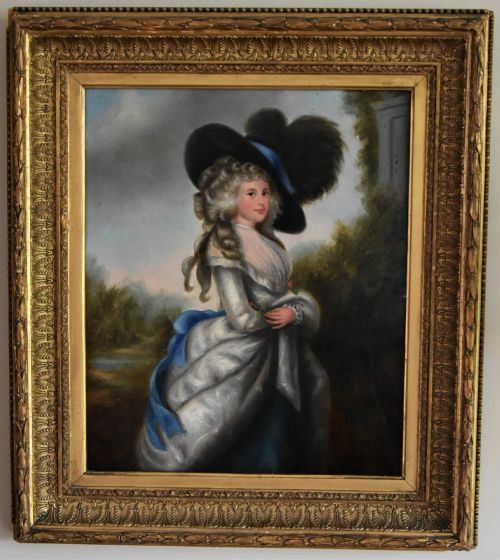
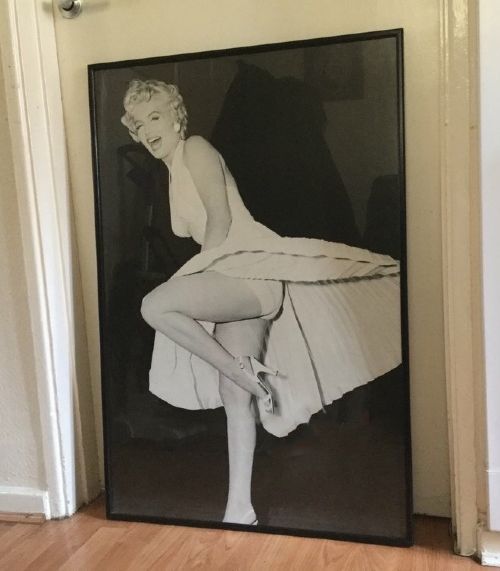
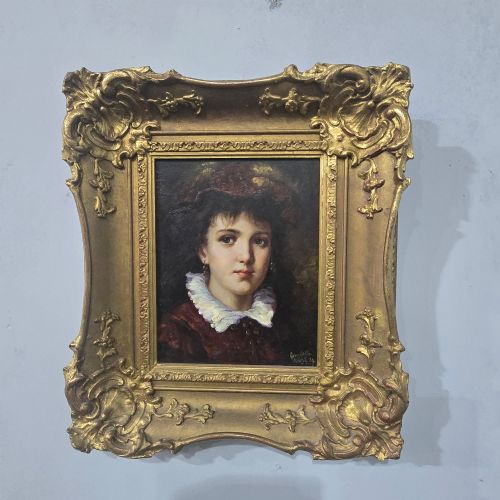
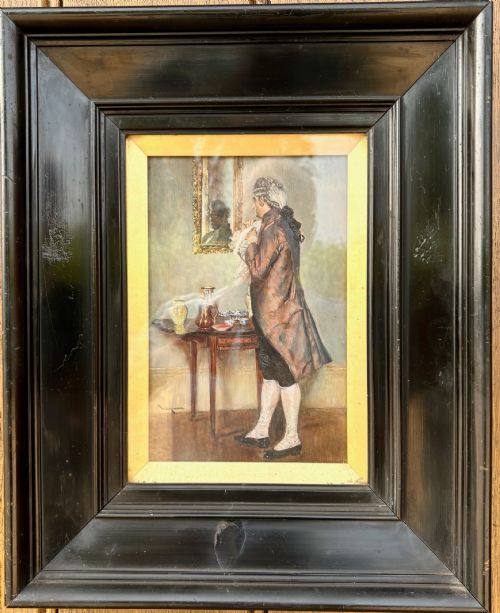
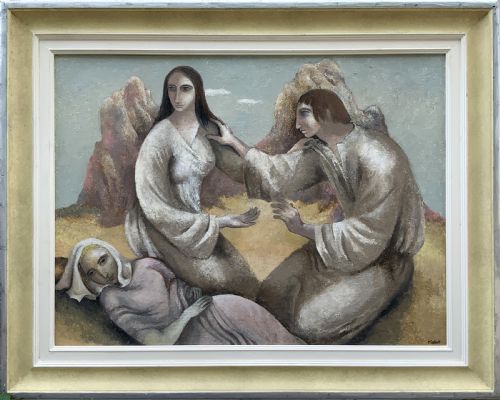
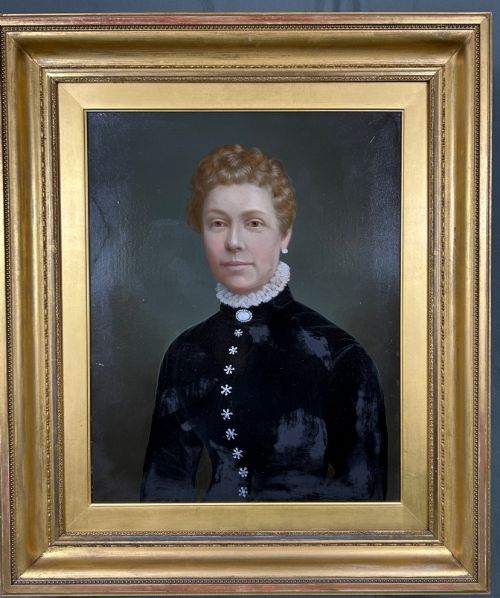
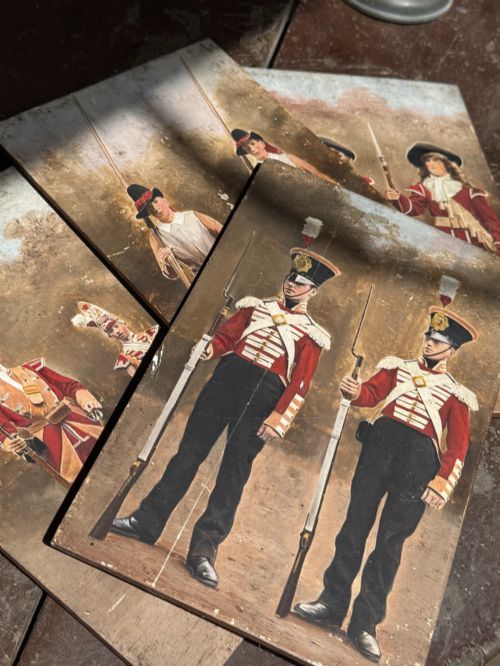
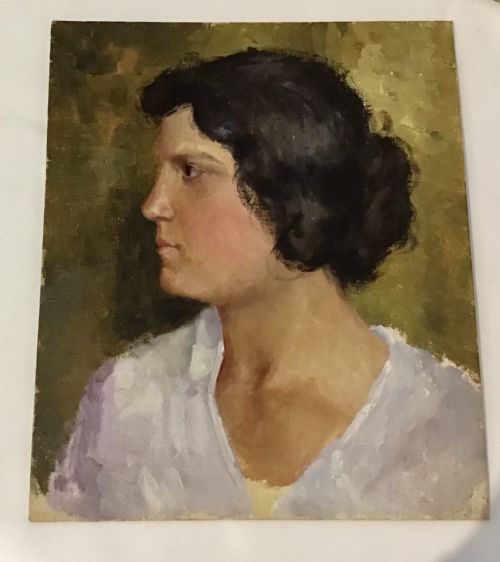
When searching for an antique portrait on board, buyers encounter painted likenesses executed on rigid wooden supports rather than flexible woven fabric. These works range from formal Victorian depictions of ladies and gentlemen to animal studies and vernacular character pieces.
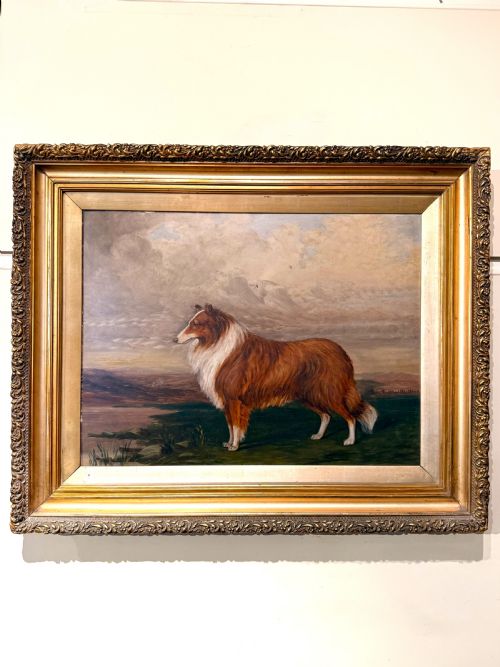
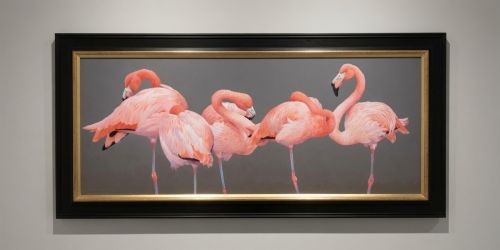
The selections span the nineteenth century through the mid-twentieth century, encompassing British, European, and American schools. Subjects vary widely from formally posed nobility and children to domestic pets, horses, and theatrical figures.
Most examples utilise traditional panel supports, wood, or prepared canvas laid onto board. The surfaces retain the distinct brushwork and texture characteristic of historical oil painting.
How they were made
Makers applied oil paint directly onto prepared wooden boards, wooden panels, or canvas secured to rigid backing supports. Grounds of gesso or priming layers were frequently brushed onto the wood before painting to ensure a stable surface for detailed portraiture.
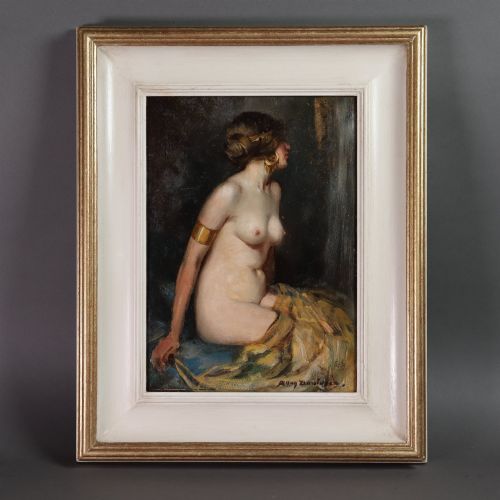
Framing often complemented the works, utilising giltwood, moulded wood, or ebony surrounds designed to protect and enhance the painted surface. Pigments were blended and layered by hand to achieve the depth and realism characteristic of academic and regional schools.
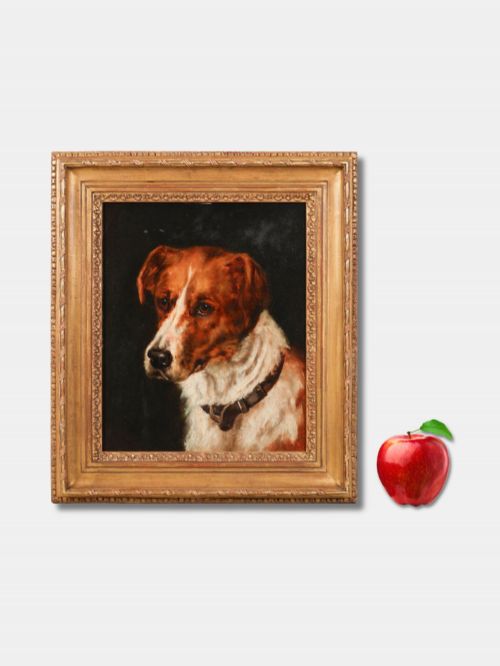
Several panels preserve the vigilant gaze of Victorian terriers, bulldogs, and prize horses rather than human sitters.
What varies in quality
The integrity of the original board and pigment layer dictates preservation quality, alongside the authenticity of the period frame. Skilled brushwork and documented provenance elevate specific portraits above standard decorative examples.
Jonny Gaston·W.D. Almond·Allan Douglas Davidson·Septimus Scott·Hans Temple·George Smith RSA·Charlotte Blakeney Ward·William Shuter·James Dromgole Linton
The Antique Portrait on Board Glossary
- Board
- A rigid flat piece of wood or compressed material used as a substitute for stretched canvas. It provides a stable, unyielding surface for the application of oil paint.
- Oil paint
- A slow-drying paint made by mixing pigments with a drying oil, commonly linseed oil. This medium allows for smooth blending and rich depth of colour.
- Gesso
- A white paint mixture consisting of a binder mixed with chalk, gypsum, or pigment. It is applied to wooden boards to prepare a smooth absorbent surface for painting.
- Giltwood
- Wood that has been treated with gold leaf or gold paint for decorative effect. It frequently appears on traditional frames housing nineteenth-century portraits.
- Canvas on board
- A technique where woven fabric is glued onto a rigid wooden or composite backing. This method combined the texture of canvas with the stability of a panel.
Antique Portrait on Board: Frequently Asked Questions
Are all portraits on board painted on solid wood?
Many works utilise solid wooden panels, but artists also painted on prepared card, composition board, and canvas attached to rigid backing. Each support type responds differently to environmental changes.
Inspecting the reverse of the panel often reveals maker stamps, stamps from suppliers, or artist inscriptions. These backing details help confirm the period and regional origin of the piece.
How can I date an antique portrait on board?
Clothing styles, hairstyles, and framing techniques provide primary clues for dating historical portraits. Written signatures, dates, or inscriptions on the reverse offer more precise chronological markers.
The type of wood, preparation ground, and framing methods also align with specific manufacturing periods. Comparative analysis with dated works by known schools aids verification.
Where should I hang a portrait on board?
Portraits require placement away from direct sunlight, heating vents, and damp walls to preserve the pigment and wooden support. Consistent indoor temperatures prevent the panel from expanding and contracting.
Secure wall fixings matching the weight of the frame ensure safe display. Positioning the work at average eye level allows proper appreciation of the artist's brushwork and detail.