
Framed Figurative Oil Art
Framed figurative oil art brings people, portraits and social scenes from centuries past into a room through pigment on canvas.
Framed Figurative Oil Art
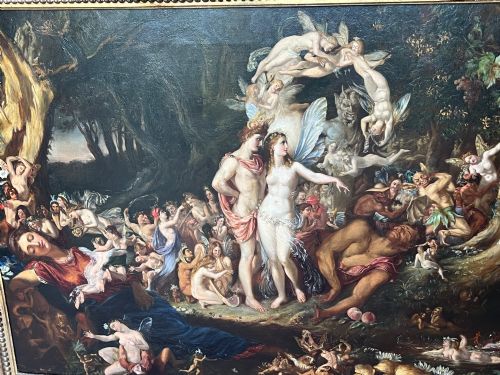
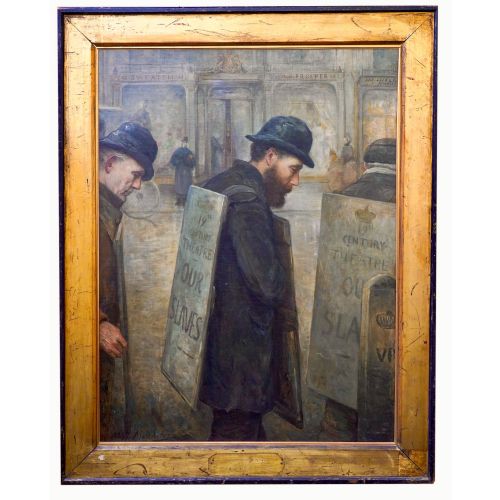
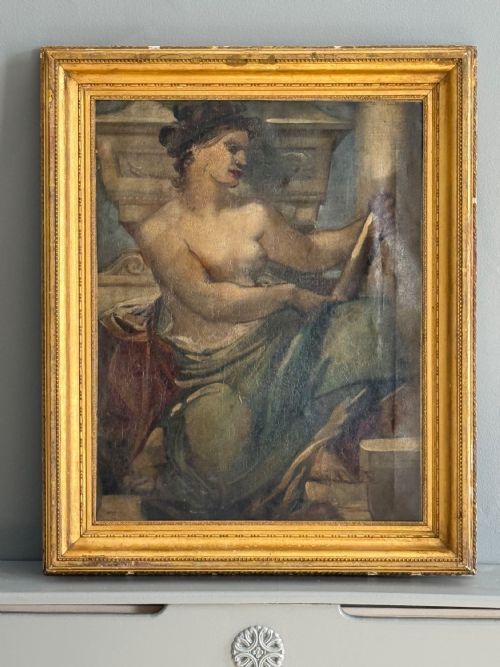
Framed figurative oil art encompasses painted depictions of human figures, ranging from formal portraits and intimate genre scenes to historical compositions and modern character studies. These works capture likenesses and narratives using oil paint on canvas, secured within protective housings.
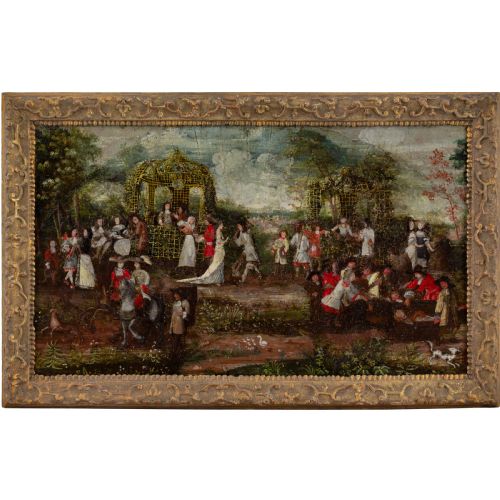
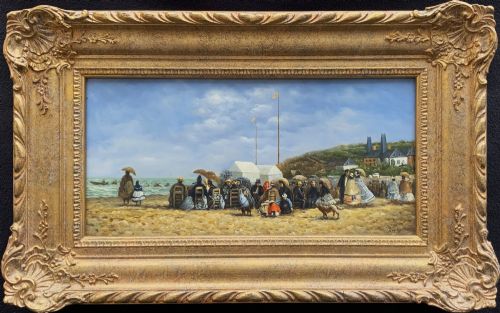
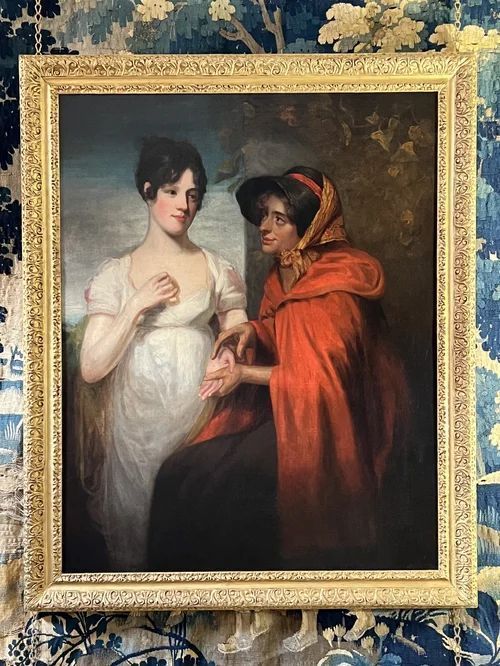
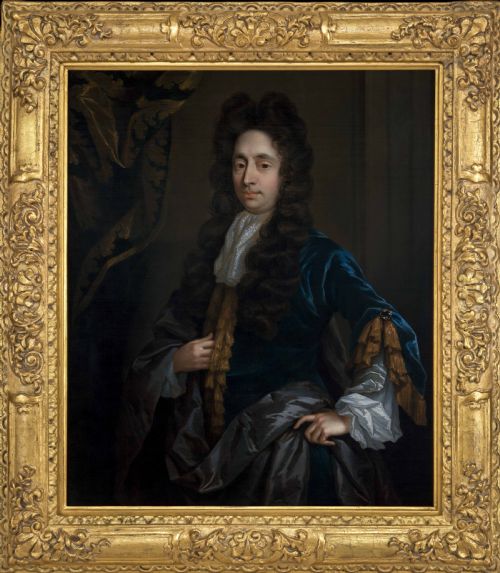
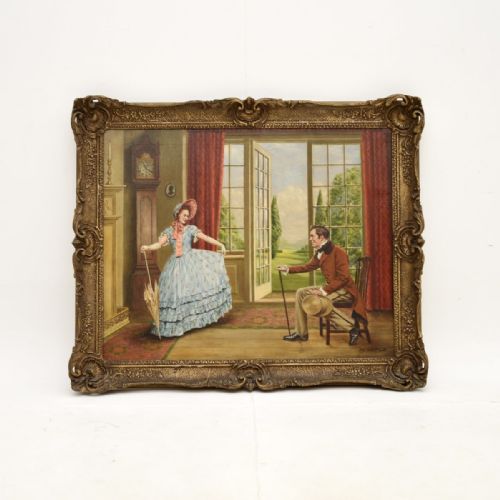
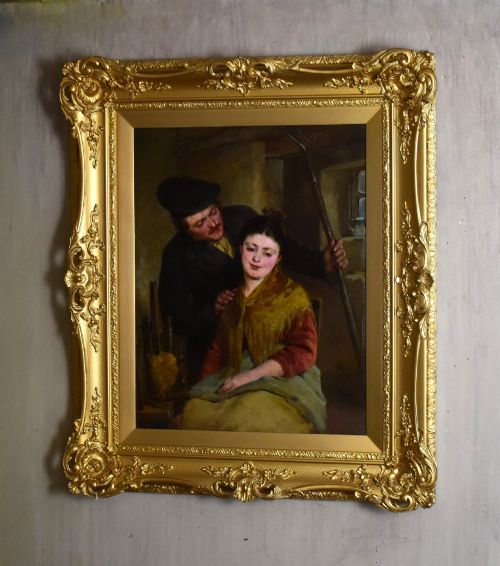
The pieces available span multiple eras, including Victorian works, Edwardian canvases, and mid-century modern interpretations. Buyers frequently encounter nineteenth-century portraits alongside genre paintings depicting domestic interiors and social gatherings.
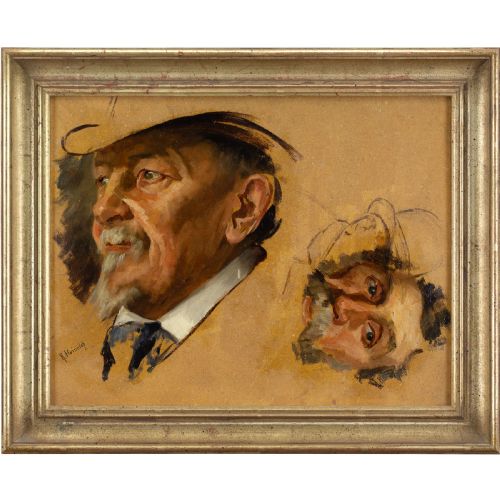
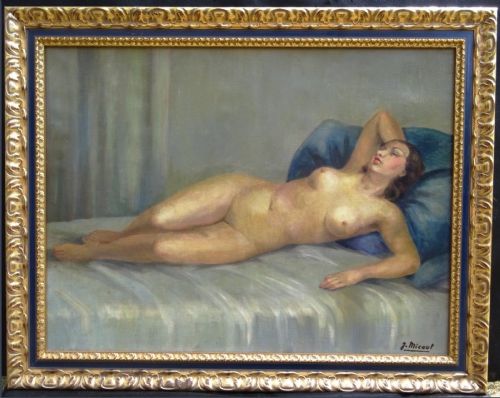
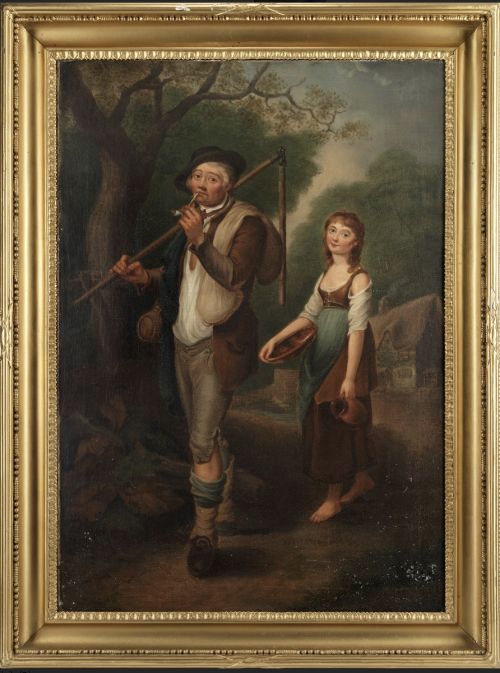
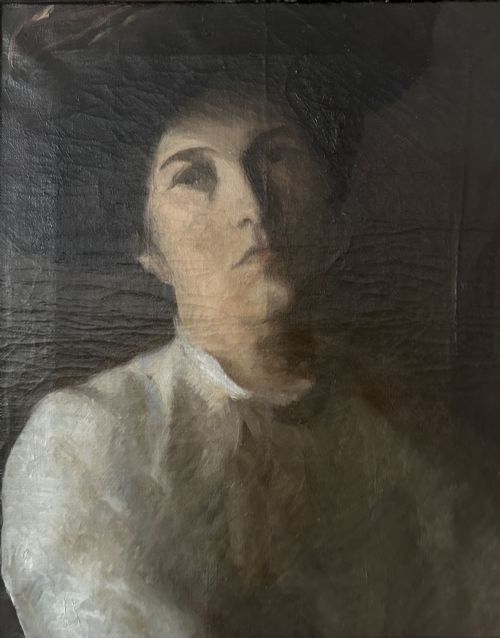
Subjects range from individual sitters in period costume to dancers, children, and artists at work in their studios. Each piece reflects the aesthetic priorities and technical methods of its specific decade of production.
How they were made
Painters applied oil and impasto pigment onto prepared canvas stretched over wooden frames, building up layers of colour to achieve depth and texture. The slow-drying nature of oil paint allowed artists to blend tones and refine details over extended periods.
Finished canvases were mounted into timber surrounds, often featuring decorative gilt or gesso embellishments. These frames completed the presentation and protected the edges of the fabric support from environmental wear.
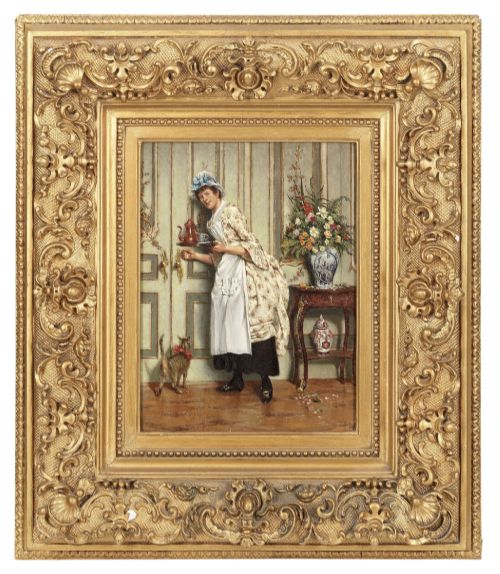
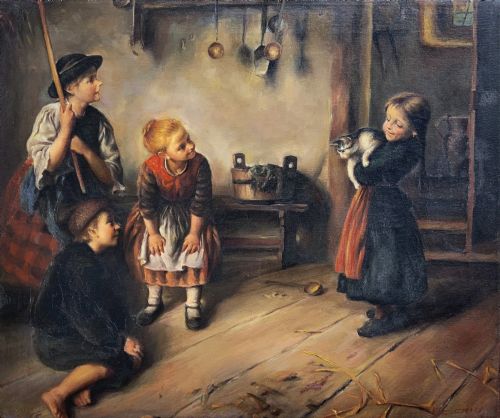
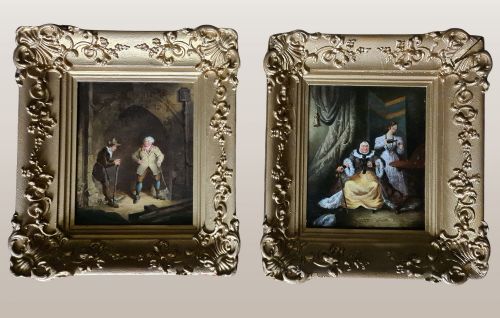
Several canvases capture domestic moments involving children and card players, preserving everyday Victorian and Edwardian pastimes in rich oil paint.
What varies in quality
Quality in these paintings rests upon the draughtsmanship of the figure, the handling of light, and the psychological depth of the subject. Masterful works demonstrate precise control over anatomy, expression, and spatial composition.
The condition of the painted surface and its original or period frame influences the overall integrity of the piece. Untouched canvases with stable pigment layers and minimal intervention stand apart from works showing extensive restoration.
Felix Stone Moscheles·John Opie·Constantyn Netscher·Stephen Samuel Lewin·Thomas Barker of Bath·Alfred Lyndon Grace·Howard Helmick·Adelaïde Salles-Wagner·Lucy Pratt·Joseph Biel·Oliver Messel·Louis Charles Verwee·Charles Stuart Forbes·James Hamilton·Lena Gurr·Henry Windsor Fry·Christine Nesbit·William Oliver·Philippe de Rougemont·Charles James McCall·Umberto Volpato·Valdemar Magaard·Renato Moretti·Jacob Akkersdijk·Philip Naviasky
The Framed Figurative Oil Art Glossary
- Oil on Canvas
- A painting technique where pigmented oil paint is applied to a woven fabric support stretched across a wooden frame. This combination provided durability and a flexible surface for artists to work across centuries.
- Giltwood
- Wood that has been treated with a thin layer of gold leaf or metallic powder. It frequently surrounds older paintings to enhance their visual weight and presentation.
- Genre Painting
- Artwork depicting scenes from everyday life, ordinary people, and domestic interiors rather than mythological or historical subjects. These pieces offer insight into the social history of their era.
- Impasto
- Paint applied in thick layers that stand out visibly from the canvas, retaining the texture of the brush or palette knife. This technique adds tactile dimension and varied reflection to the surface.
- Gesso
- A plaster-like mixture used as a base coat on wooden frames before gilding or painting. It provides a smooth surface for decorative mouldings.
Framed Figurative Oil Art: Frequently Asked Questions
How do I hang a heavy oil painting safely?
Heavy canvases require secure wall anchors and robust picture wire fixed directly to the wooden stretcher or frame. Ensuring the weight is distributed evenly prevents structural strain on the corners.
Position the artwork away from direct sunlight and fluctuating heat sources to protect the canvas and paint layers from warping or cracking over time.
How should I clean an antique oil canvas?
Surface dust can be removed gently using a soft, dry artist brush without applying pressure to the pigment. Avoid using water or cleaning solvents on the delicate paint surface.
Professional conservators should handle any deeper cleaning or varnish removal to prevent accidental damage to the original layers of oil paint.
How can I tell a nineteenth-century frame from a modern copy?
Period frames typically show hand-carved details, layered gesso applied over timber, and minor signs of age such as shrinkage cracks in the corners. The construction materials reflect traditional manufacturing methods.
Modern replicas often feature uniform composition mouldings and synthetic finishes that lack the depth and wear patterns of genuine period surrounds.
What is the difference between a portrait and a genre painting?
Portraits focus specifically on recording the likeness, status, or personality of a named individual or identifiable sitter. These works were often commissioned to document family members or notable figures.
Genre paintings depict anonymous people engaged in daily activities, domestic work, or social leisure. These compositions prioritise narrative and atmosphere over individual identity.