



Framed Equine Artwork
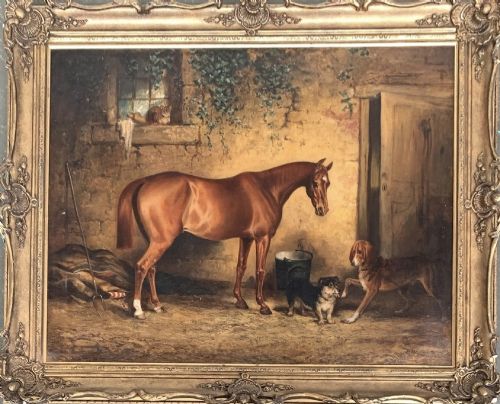
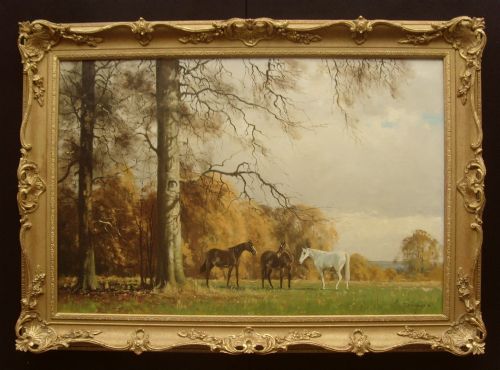
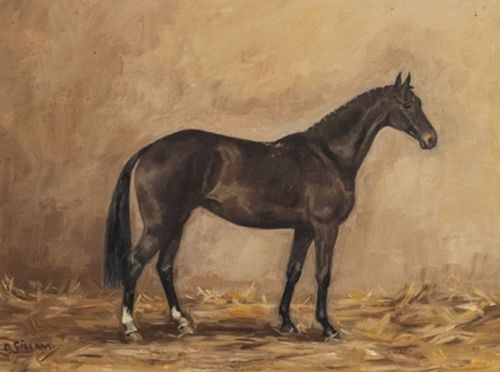
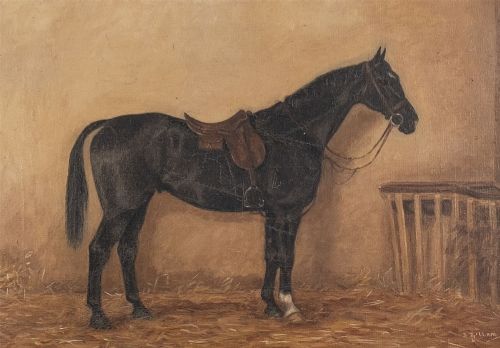
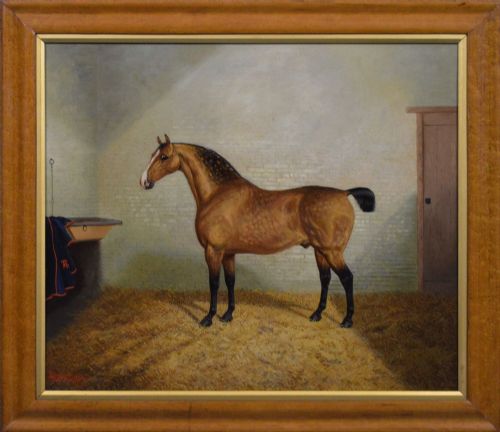
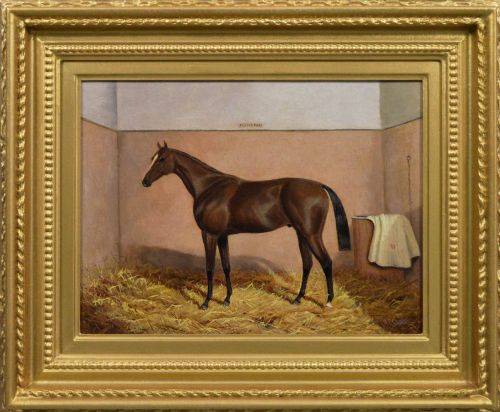
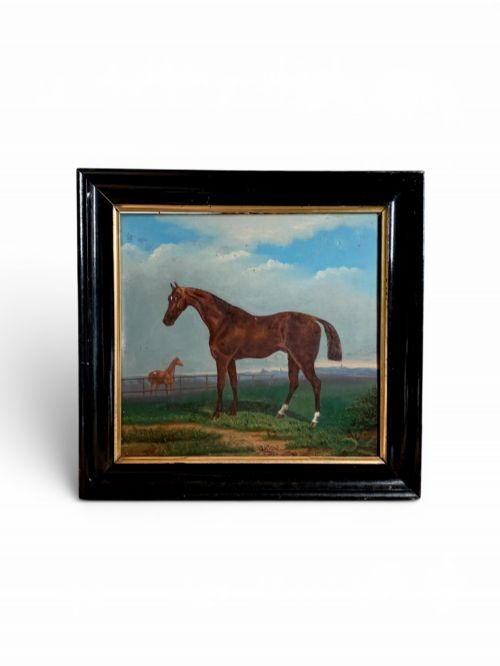
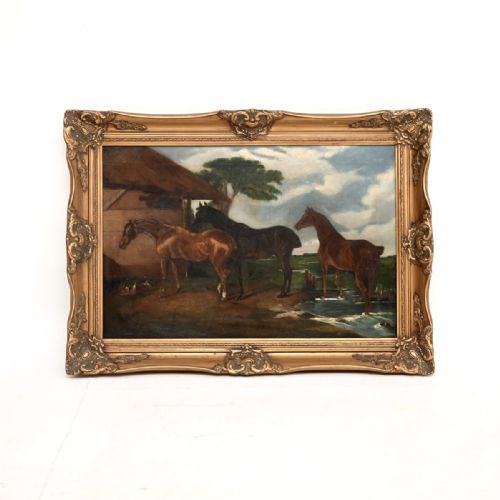
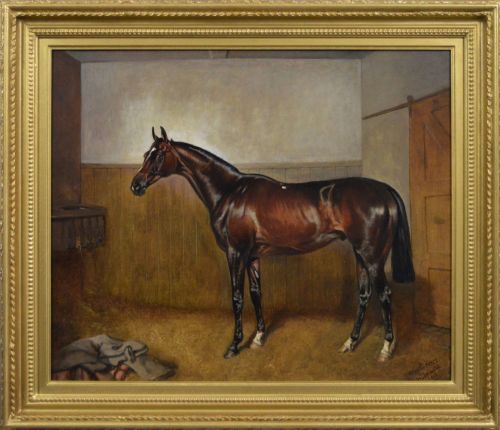
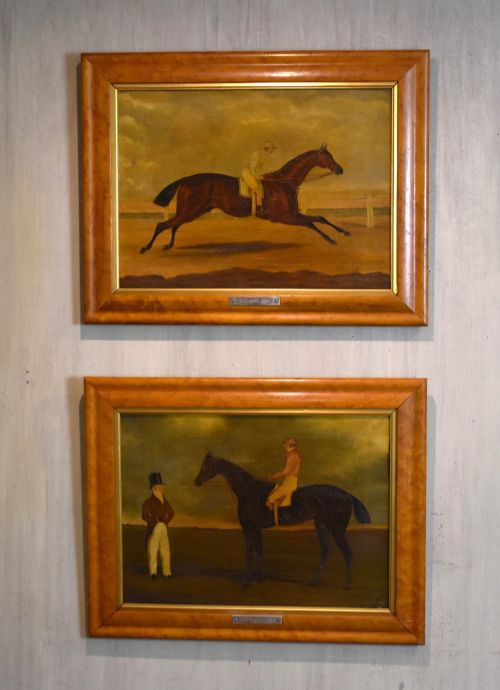
Framed equine artwork brings together centuries of sporting portraiture, capturing the character and muscle of horses in stable, landscape and racing scenes.
Framed Equine Artwork
When you search for framed equine artwork, you encounter a specialised selection of paintings, drawings and prints dedicated to horses. The pieces span from the Georgian period through the Victorian era and into the mid-twentieth century.
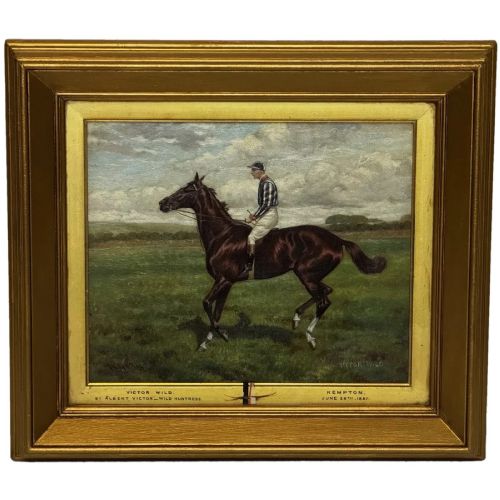
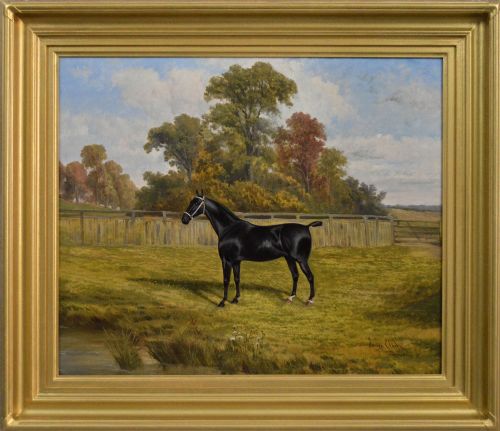
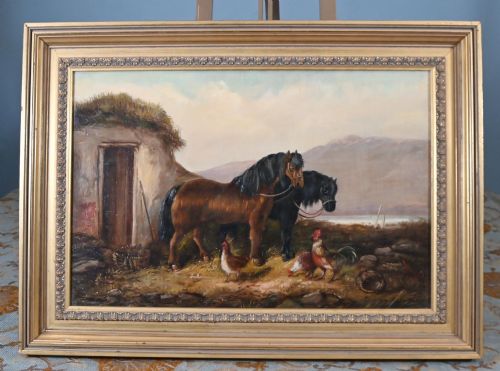
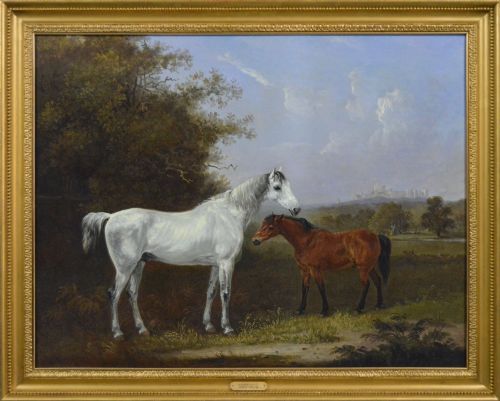
Oil paintings on canvas and wood panel dominate the selection, portraying hunters, racehorses and stable scenes. Watercolour and pastel works also appear, showing subjects ranging from rural farmyard scenes to formal portraits.
Materials and techniques
Artists painted primarily in oil on canvas or pine panel, building up rich layers of pigment to render the glossy coats and musculature of the horses. Paper supports accommodated delicate watercolours, pastels and gouache, often finished with graphite underdrawing.
Makers housed these works within timber frames, frequently utilising giltwood moulded profiles that complemented the dark, varnished palettes of nineteenth-century sporting art.
Framed Equine Artwork Retail Price Guide 2026
Typical asking prices for framed equine artwork among the pieces listed under this phrase on Sellingantiques today, from the lower quarter to the upper quarter. They describe what is for sale here now, not the wider market.
Listings feature works spanning the eighteenth, nineteenth and twentieth centuries, executed in oil, watercolour, pastel and gouache on canvas, paper and wood.
Variations in quality
Quality rests upon anatomical precision, handling of light on the horse's coat and the articulation of the background landscape. Superior examples demonstrate a deep understanding of equine conformation and movement.
The sophistication of the brushwork and the preservation of the original canvas, panel or paper surface dictate the standing of an individual piece within the field.
Henry Barraud·Edmund Bristow·Albert Clark·John Frederick Herring·Dame Laura Knight·John Rattenbury Skeaping
The Framed Equine Artwork Glossary
- Canvas
- A heavy woven fabric stretched across a wooden frame to serve as a foundation for oil painting. It provides the primary support for most Victorian equestrian portraits.
- Giltwood
- Timber carved and coated with a thin layer of gold leaf or metallic powder. It forms the decorative framing surrounding many traditional paintings.
- Gouache
- An opaque water-based paint mixed with a gum binder and white pigment. It yields solid, matte passages of colour in works on paper.
- Panel
- A flat piece of wood used as a rigid support for oil paintings. Pine panels provide an alternative to woven canvas in earlier works.
- Provenance
- The documented history of ownership of an artwork. It traces the journey of a painting from its commission to public collections or estates.
Framed Equine Artwork: Frequently Asked Questions
How do I identify the period of an equine painting?
Study the stretchers, canvas types and framing methods alongside the clothing styles of any human figures present. Portrait conventions and brushwork characteristics also point toward specific decades.
Compare the signature and subject matter against known historical records for the artist or school. Pigment analysis and panel construction help confirm earlier centuries.
Where should I hang framed equine artwork?
Position these pieces away from direct sunlight and excessive moisture to protect oil paints, watercolours and giltwood frames. Stable indoor temperatures prevent canvas distortion.
Study room lighting to reduce glare on glazed watercolours and varnished oil surfaces. Wall strength must support heavy timber and plaster frames securely.
What is the difference between an oil and a watercolour?
Oils utilise suspended pigments in drying oils on canvas or panel, yielding thick textures and deep lustres. Watercolours employ water-soluble pigments on paper, creating translucent washes.
Watercolour works require protective glass framing to prevent moisture damage. Oil paintings on canvas breathe naturally and typically hang exposed to the room.