




Framed Enamel Plaque
A framed enamel plaque brings vibrant colour and meticulous detail to a wall, offering miniature portraiture and advertising history in a single decorative object.
Framed Enamel Plaque
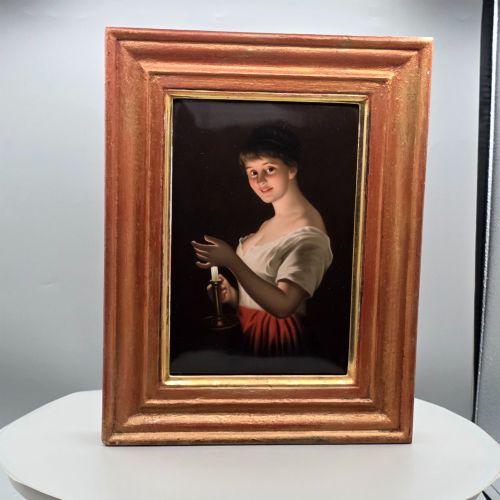
A framed enamel plaque spans centuries of decorative craft, featuring pieces from the 18th century onward alongside Victorian and Edwardian examples. You will encounter wall art, wall signs, wall plaques, portrait miniatures, and table mirrors within this selection.
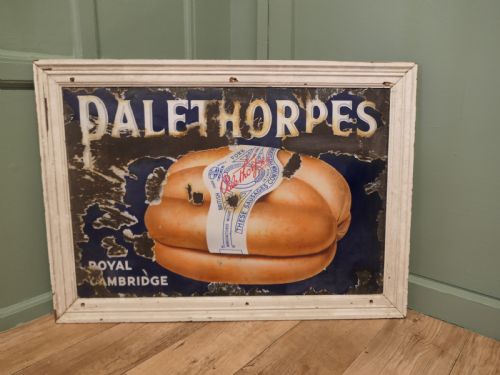
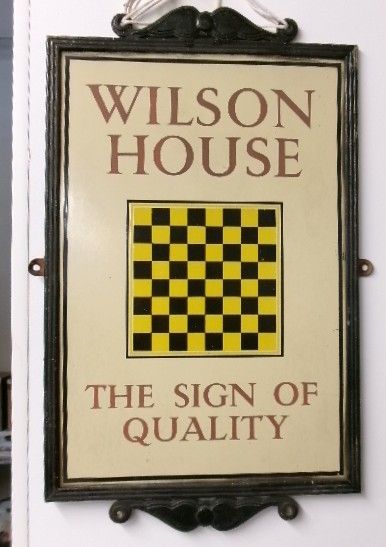
The 18th-century examples frequently originate from Limoges or South Staffordshire, including snuff box lids and oval plaques depicting figures. Later 19th-century and 20th-century pieces encompass vintage commercial advertising signs, pictorial food signs, and porcelain plaques mounted in ornate frames.
What varies in quality
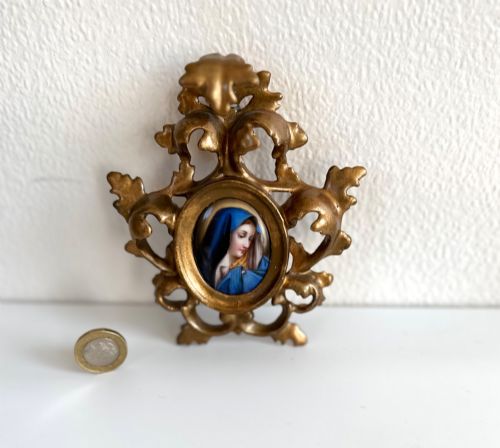
Quality rests upon the fineness of the painting and the precision of the enamel firing, where fluid brushwork and stable glazes distinguish finer portraiture from simpler commercial work. The sophistication of the surrounding frame, whether cast ormolu or carved giltwood, reflects the overall ambition of the piece.
The prestige of the producing centre or factory, such as Limoges, South Staffordshire, or KPM Berlin, marks a clear gradation in desirability. Signed works by noted miniature painters elevate the stature of an individual plaque above standard anonymous production.
Listings feature multiple 18th-century South Staffordshire enamel pieces alongside 19th-century Limoges painted plaques on copper.
KPM Berlin·Royal Worcester·Henry Pierce Bone·F. Bienvue
The Framed Enamel Plaque Glossary
- Limoges enamel
- Painted enamelwork produced in the French city of Limoges, known for its rich dark grounds and fine metallic detailing. This technique dates back centuries and appears across various periods.
- South Staffordshire enamel
- English enamels typically produced during the 18th century, encompassing small plaques, snuff box lids, and trinket boxes. These items often feature finely painted pastoral or figurative scenes.
- Ormolu
- Gilt bronze or brass mounts used extensively in decorative arts during the 19th century. It provides an ornate, golden border for framed plaques and table mirrors.
- Vitriolite
- An opaque structural glass used for signage during the early 20th century. It offers a smooth, glossy surface ideal for street names and commercial displays.
- Portrait miniature
- A small, highly detailed painting capturing a likeness, frequently executed on enamel or porcelain. These were often housed in pocket-sized cases or framed for display on a wall.
Framed Enamel Plaque: Frequently Asked Questions
How do I clean a framed enamel plaque?
Dust the glass and frame gently with a dry, soft cloth to prevent particle accumulation. Avoid using liquid cleaners directly on the enamel surface, as moisture can seep beneath old frames or damage exposed edges.
Keep the piece away from direct sunlight and high humidity to protect both the painted pigments and the wooden or metallic mounting.
Were all enamel plaques originally made to be framed?
Many 18th-century pieces, such as South Staffordshire box lids or small plaques, were originally set into functional objects rather than hung on walls. Later pieces from the 19th and 20th centuries were frequently produced specifically as wall art or advertising signs.
Over time, collectors and dealers have often added frames to loose plaques to facilitate display and protect the fragile edges.
How can I tell an 18th-century plaque from a 19th-century copy?
Examination of the metal base, the composition of the enamel, and the painting style usually reveals the period of manufacture. Earlier pieces often display distinct hand-beaten copper backs and softer, more muted enamel palettes compared to later revivals.
The style of the frame and any mounting hardware also provide reliable clues to the date of assembly.
Can advertising signs be considered fine art?
Vintage commercial enamel signs and pictorial food signs bridge the gap between industrial history and decorative arts. Their bold graphics and vitreous enamel durability earned them a recognised place among collectors of decorative wall objects.
They share the same core manufacturing techniques as portrait miniatures and decorative plaques, relying on fused glass powder and metal bases.