




Framed Countryside Landscape Art
Framed countryside landscape art brings pastoral scenes indoors, offering buyers picturesque views of fields, rivers, and woodland painted across multiple centuries.
Framed Countryside Landscape Art
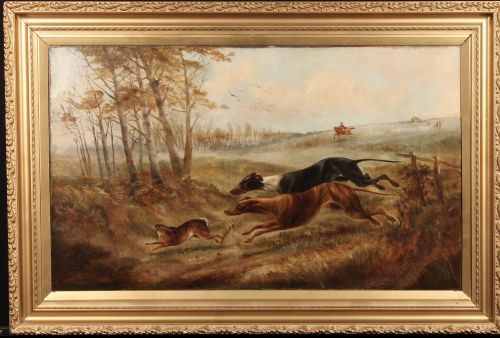
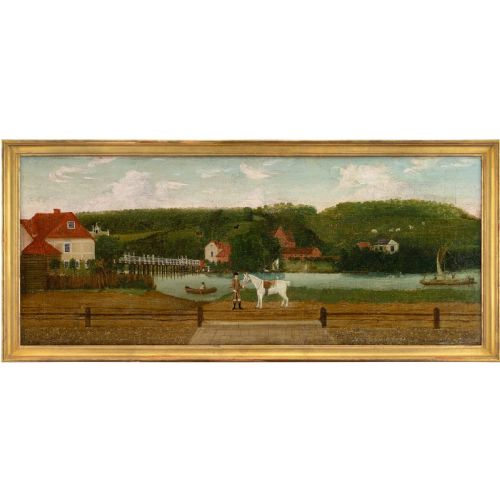
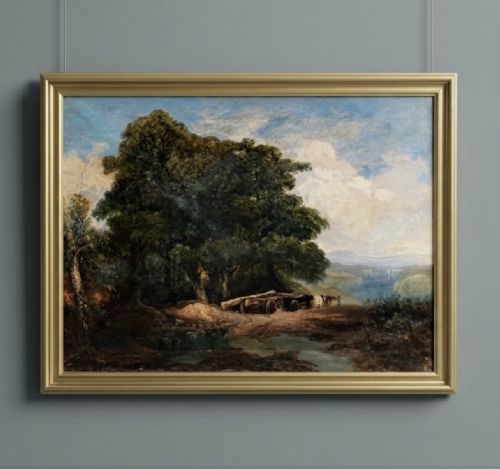
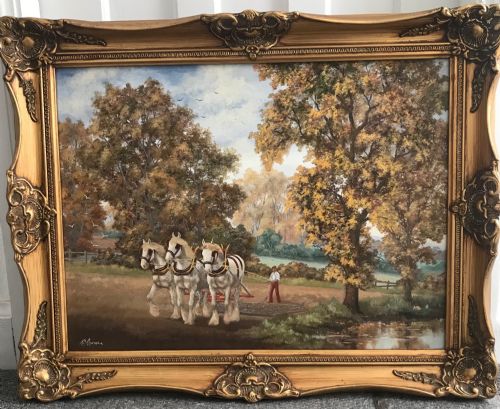
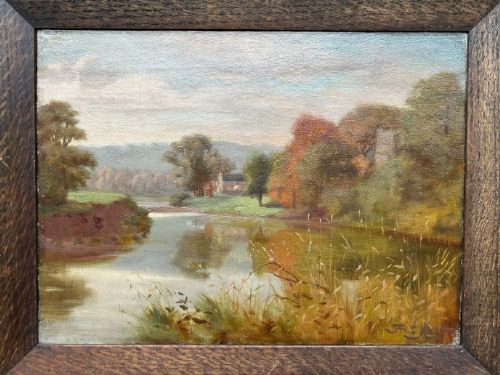
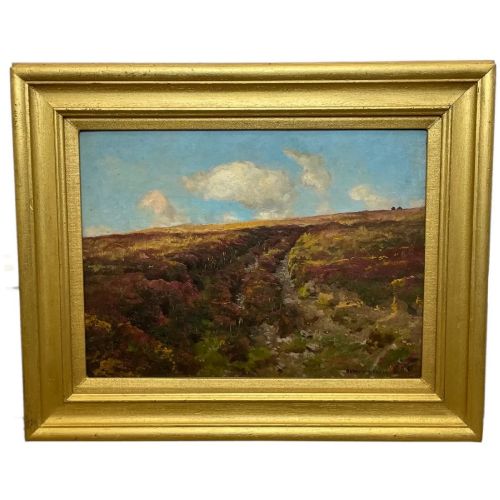
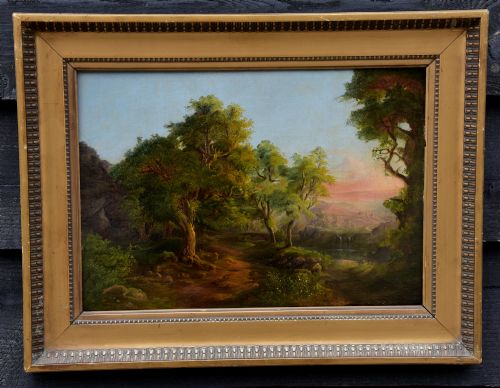
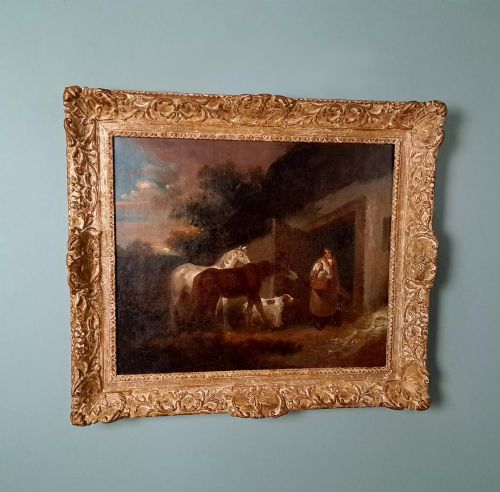
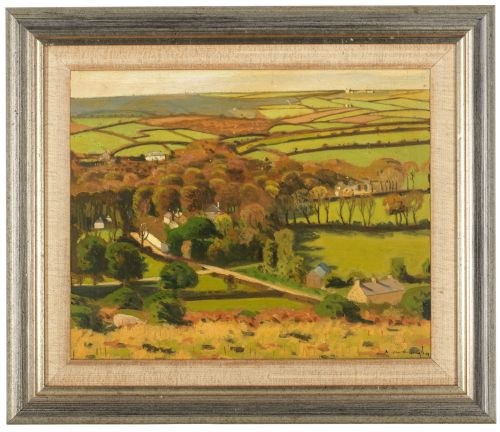
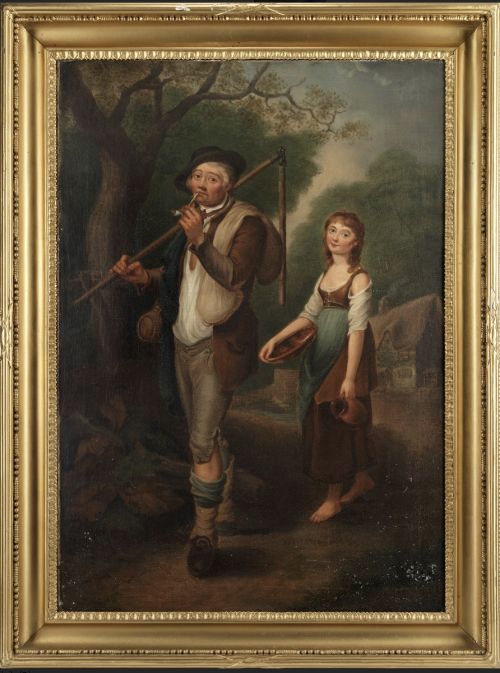
When you search for framed countryside landscape art, you encounter pastoral scenes rendered by British and European artists across the nineteenth and twentieth centuries. These works record rural life, agricultural work, and topographical views through oil paints and watercolours. The selections span Victorian academic pieces to mid-century modern interpretations.
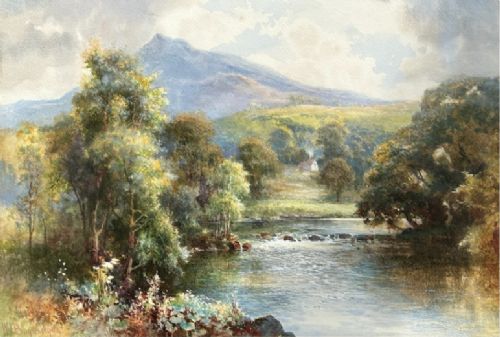
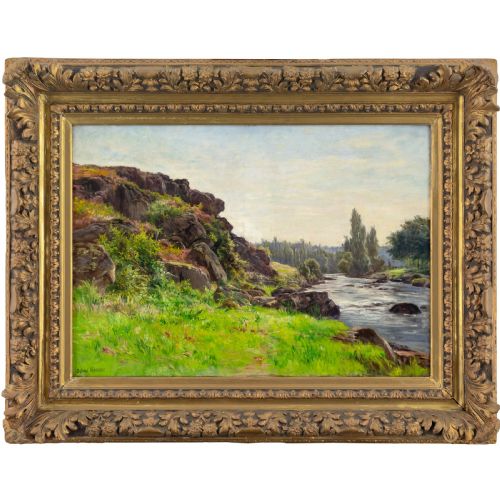
Most pieces you meet on this page utilise traditional framing to enclose canvases, boards, or paper sheets. The subjects range from quiet riverbanks and Welsh valleys to harvest fields and wooded paths. Makers capture specific regional light, seasonal changes, and rural architecture.
The objects take the form of original oil paintings, delicate watercolours, and occasional lithographs framed for wall display. You find both signed works by known artists and pieces produced by the broader British school. Each item preserves a distinct historical perspective on the countryside.
Materials and Technique
Artists painted these landscapes primarily with oil or watercolour on canvas, wood panel, or paper supports. Oil paints provided rich textures and deep tones for woodland and river scenes, while watercolours offered translucent washes for atmospheric skies and distant hills. Canvases were stretched over wooden frames and secured inside decorative wood mouldings.
Makers applied pigments using brushes and palette knives to build up textures in foliage, water, and earth. Watercolour paintings on paper required protective glass within the frame to prevent environmental damage. Wood frames often received gilt or painted finishes to complement the pastoral subjects.
Materials recorded in current listings include wood, canvas, oil on canvas, paper, oil paint, glass, oil, and watercolour.
Judging Quality
Quality in these landscapes depends upon the artist's command of light, composition, and atmospheric depth. Superior works capture convincing natural movement in water, foliage, and clouds rather than relying on stiff formulae. The handling of paint or watercolour demonstrates the maker's technical training and sureness of touch.
The integrity of the physical materials also determines the standing of a piece. Well-preserved canvas tension, stable paint layers, and appropriate period framing elevate a work. Finer examples maintain their original colour harmonies without excessive fading or past restoration obscuring the hand.
Richard Sebastian Bond·William H Myers·George Graham·Frederick Marriott·Arthur Wardle·William Joseph Shayer Senior·Robert Morson Hughes·Thomas Barker of Bath·William Joseph Boyes·Gabriel Mathieu·David Bates·Muriel Metcalfe·Lucy Pratt·Raymond Booth·Harald Foss·Frederick Walker·Eric Brown·Henri Ottmann·Richard Redgrave·Ernest Higgins Rigg·George Oyston·John Bond·Rene Levrel·Vernon DeBeauvoir Ward·Florence Adelina Hess
The Framed Countryside Landscape Art Glossary
- Oil on canvas
- Pigment mixed with drying oil applied to a woven fabric stretched over a wooden frame. This medium allows for rich blending and textured impasto work.
- Watercolour
- A paint consisting of pigment suspended in a water-soluble vehicle, typically applied to paper. It creates luminous, transparent washes ideal for skies and water.
- Impressionism
- A style developed in the nineteenth century focusing on transient effects of light and ordinary subject matter. Artists used visible brushstrokes and bright, unblended colours.
- British School
- A term used to describe works produced by artists active in Britain who shared stylistic approaches. It encompasses generations of painters working within established national traditions.
- Gouache
- An opaque water-based paint that provides solid, flat areas of colour. It is sometimes combined with watercolour to add highlights to landscape details.
Framed Countryside Landscape Art: Frequently Asked Questions
What subjects appear in these landscapes?
The artworks depict rural scenes including rivers, woodlands, harvest fields, and coastal views. Many capture agricultural labour such as ploughing, herding cows, and fishing.
Artists also recorded specific geographic locations across Britain and Europe, from Welsh valleys to French coastal towns. These subjects reflect changing attitudes toward nature and rural life throughout the nineteenth and twentieth centuries.
How do I date a landscape painting?
Dating relies on stylistic clues, artist signatures, framing materials, and inscriptions on the reverse of the canvas or board. Victorian works often feature formal compositions and heavy gilt frames, while later pieces show looser brushwork influenced by impressionism.
Archival records and signed dates on specific pieces help establish chronological benchmarks. Examining the canvas weave and stretcher construction provides further physical evidence of age.
How should I hang framed landscape art?
Display these works away from direct sunlight and excessive moisture to protect the canvas, paper, and pigments. Secure the frame using appropriate wall fixings that match the weight of the wood and glass.
Keep pieces at eye level in rooms with stable temperature and humidity. Proper placement prevents warping of wooden panels and fading of watercolours under glass.
What distinguishes oil paintings from watercolours here?
Oil paintings utilise viscous pigments on canvas or panel, offering deep colours and textured surfaces. They are generally sturdier and do not require protective glass over the painted surface.
Watercolours use transparent pigments on paper and require glazing to prevent moisture and dust damage. They present a lighter, more luminous quality suited to atmospheric skies and distant hills.