


Framed Classical Drawing
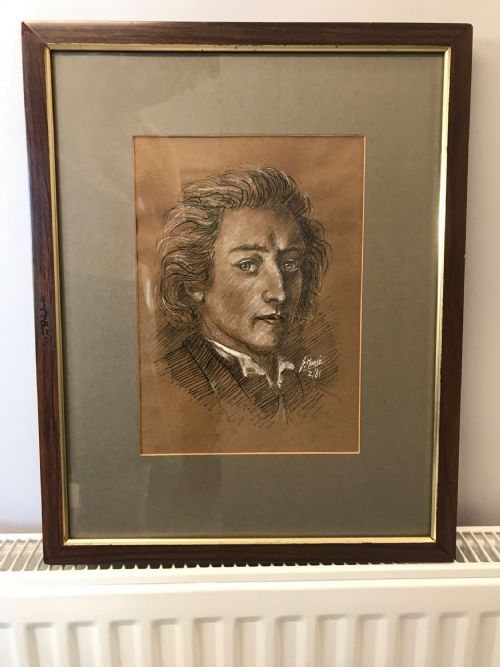
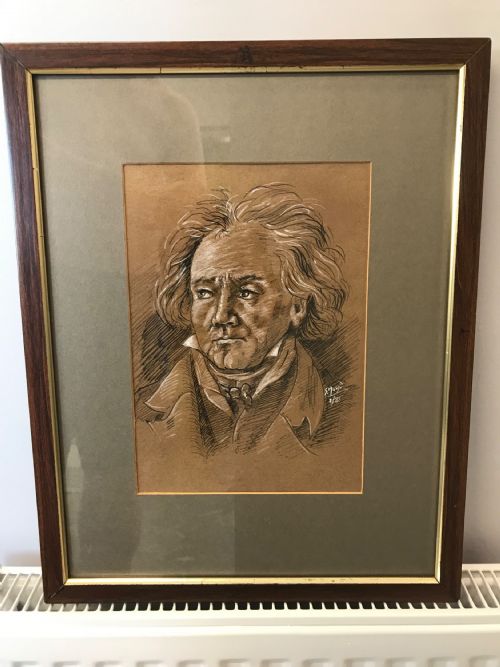
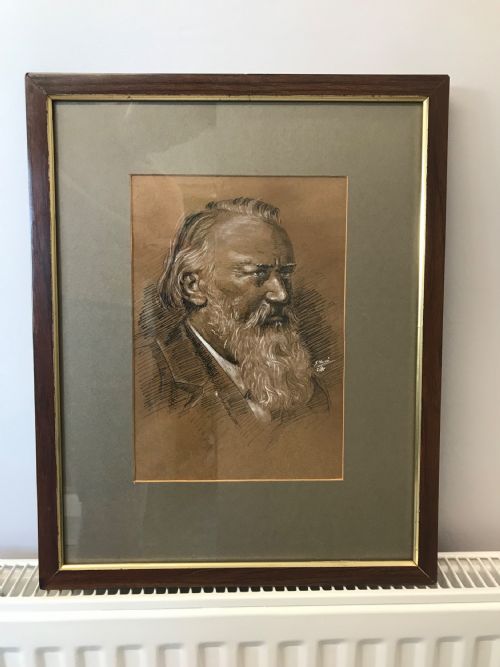
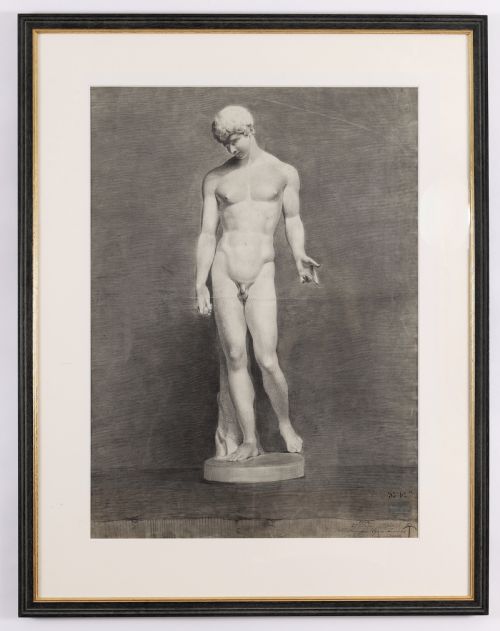
Framed classical drawing pieces capture antique figure studies and architectural scenes set within timber and glass.
Framed Classical Drawing
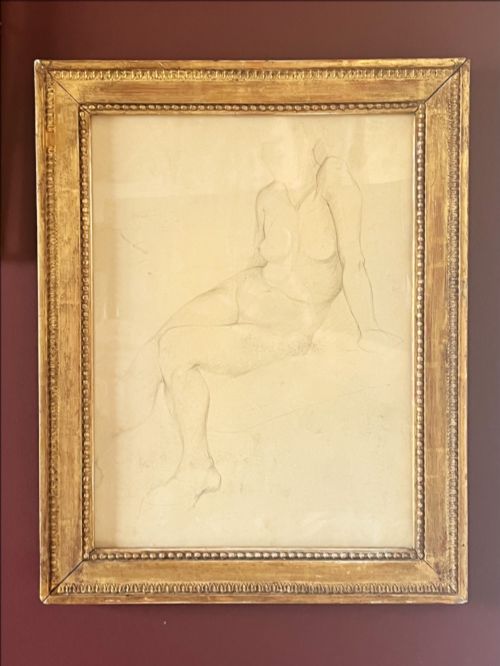
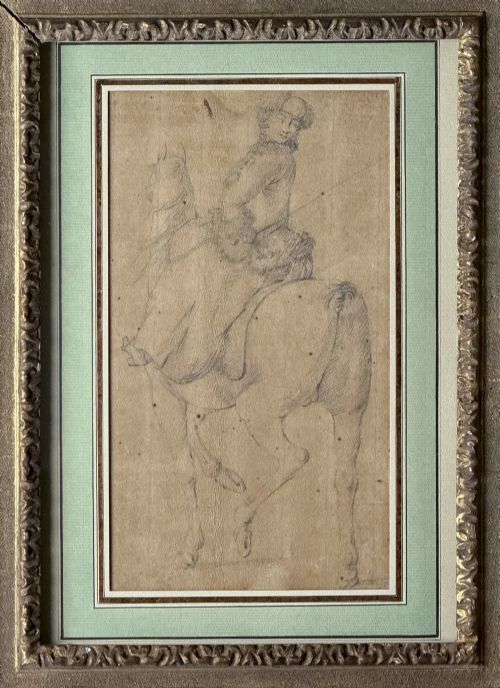
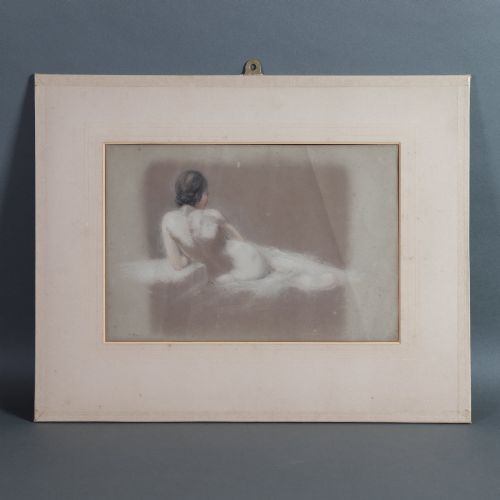
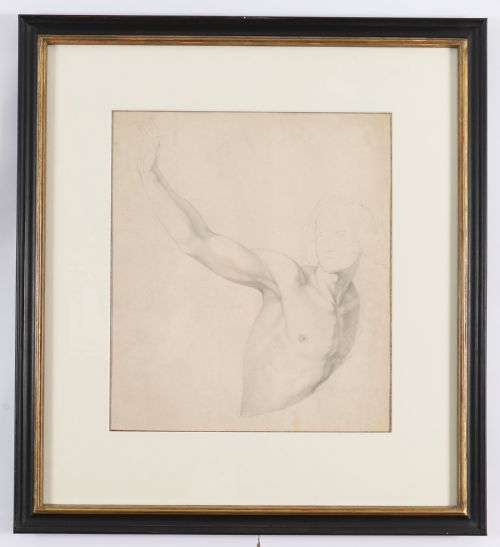
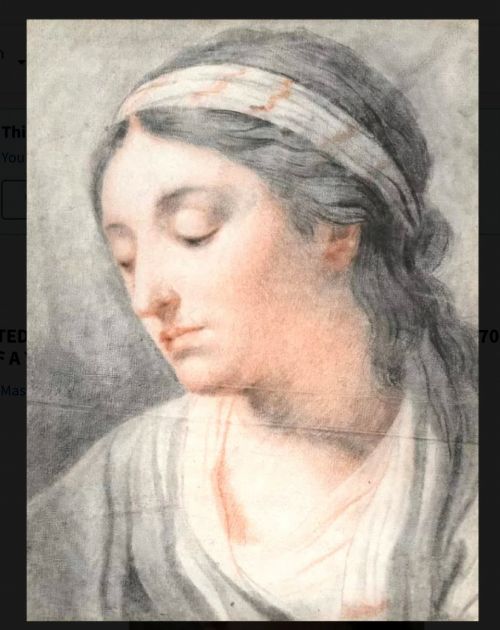
A framed classical drawing brings together works executed on paper through various hands, ranging from academic life studies of nudes to architectural plates. Buyers seeking a framed classical drawing encounter historic artistic exercises, equestrian studies, and mythic scenes spanning several centuries.
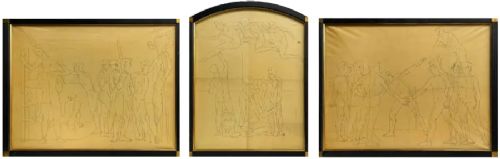
The selection includes pieces associated with distinct periods such as the seventeenth, eighteenth, and nineteenth centuries alongside later twentieth-century examples. Forms vary from individual framed artwork and wall art to architectural prints and triptychs.
Origins stretch across European schools, featuring Italian Baroque, French Neoclassical, and Northern European traditions. Grand tour watercolours and academic submissions complete the typical scope met within these listings.
Materials and Technique
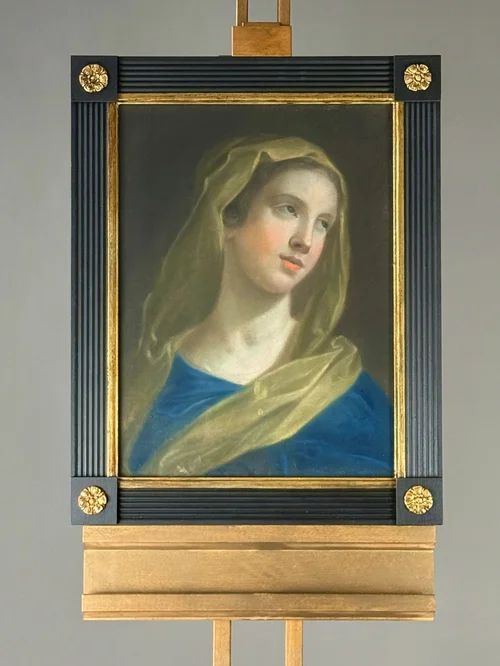
Works rely principally upon paper supports framed behind glass within wood mouldings, often enhanced by gold leaf. Media span graphite, charcoal, ink, gouache, and watercolour, alongside pastel and mixed media applications.
Execution involves rigorous academic discipline, capturing anatomy and proportion through precise line work and tonal wash. Framing methods preserve these delicate works on paper while housing them in period or complementary antique gilt mounts.
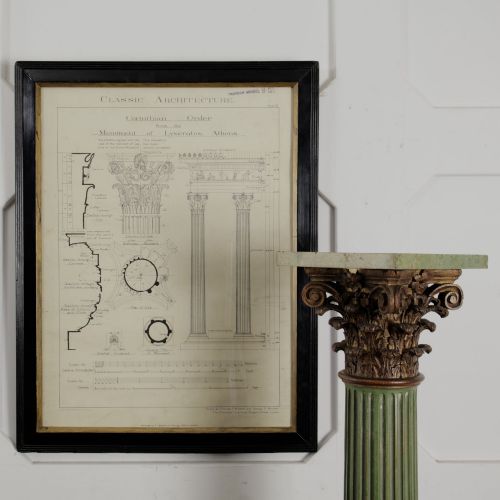
Students as young as seventeen contributed architectural drawings intended for the South Kensington School.
Distinctions in Quality
Quality reveals itself in the surety of the line and the anatomical precision of the study, separating accomplished academic execution from tentative draftsmanship. The depth of historical context, such as connection to documented schools or grand tour itineraries, elevates certain examples.
The integrity of the physical preservation, including the condition of the paper substrate and the appropriateness of the framing materials, dictates the standing of each piece.
Benedetto Luti·William Etty·Johannes Lingelbach·James Stroudley·John Flaxman·Pio Panfili
The Framed Classical Drawing Glossary
- Academic Realism
- A style of painting and drawing produced under the influence of European academies of art, notable for strict adherence to classical standards of form and proportion.
- Grand Tour
- A traditional trip of Europe undertaken by upper-class European young men of sufficient means during the eighteenth and nineteenth centuries, yielding topographical watercolours and classical mementos.
- Neoclassical
- A Western cultural movement in the decorative and visual arts inspired by the classical art and culture of ancient Greece and Rome.
- Gouache
- A method of painting using opaque pigments ground in water and thickened with a gluey substance.
- Pastel
- A dry painting medium in the form of a stick, consisting of powdered pigment and a binder.
Framed Classical Drawing: Frequently Asked Questions
What periods do these drawings represent?
The pieces span from the seventeenth century through the eighteenth and nineteenth centuries into the twentieth century. Examples also include works produced later than nineteen sixty.
This broad timeline encompasses diverse artistic movements, from Italian Baroque and French Neoclassical traditions to academic studies and modern interpretations.
How should I display a framed classical drawing?
These artworks suit traditional wall art placement in studies, libraries, or drawing rooms where their historic character can be appreciated up close. Keep them away from direct sunlight to protect the underlying paper, ink, and watercolour pigments from fading.
Ensure hanging locations maintain stable humidity levels to preserve both the delicate media and the surrounding timber frames.
What mediums were used in these artworks?
The listings feature works created using graphite, charcoal, ink, gouache, and watercolour on paper. Pastels and mixed media are also utilised across various figure studies and architectural plates.
Frames typically consist of wood, frequently incorporating gilt leaf finishes and protective glass.
How do I distinguish academic life studies?
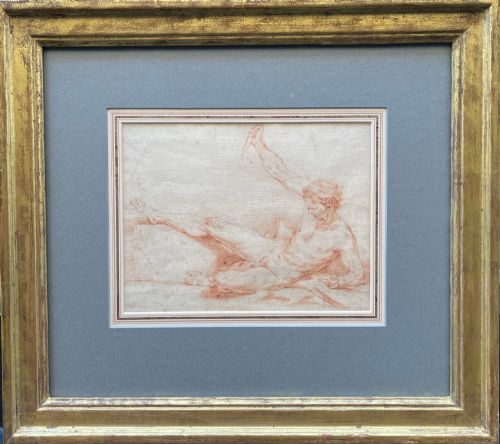
Academic life studies generally focus on the human form, often depicting male or female nudes posed in deliberate stances. These exercises reflect the rigorous training methods employed by art academies during the eighteenth and nineteenth centuries.
Such drawings prioritize anatomical accuracy, shading, and proportion over decorative narrative.