

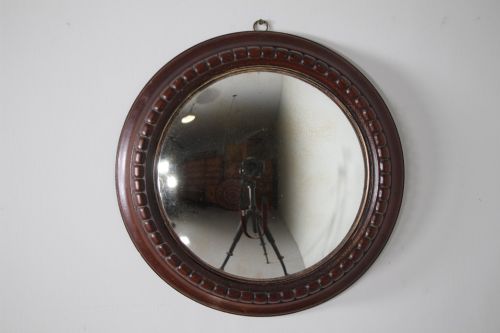
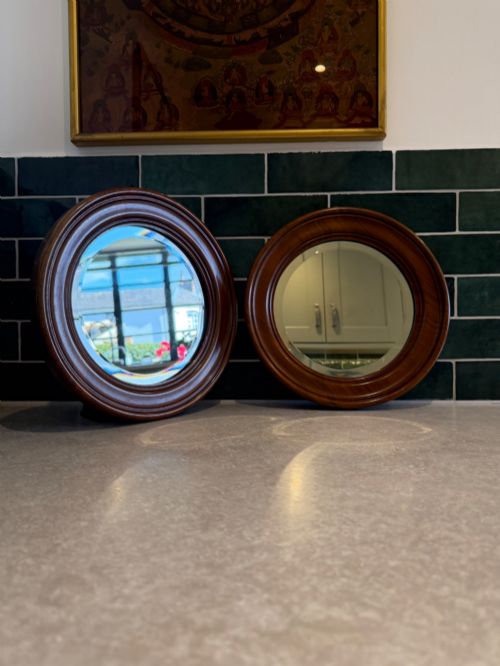
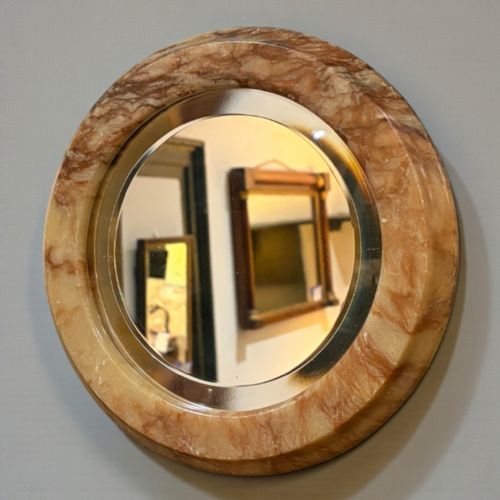
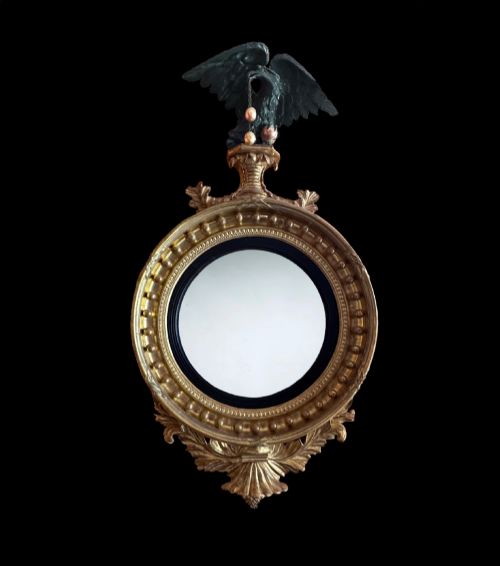



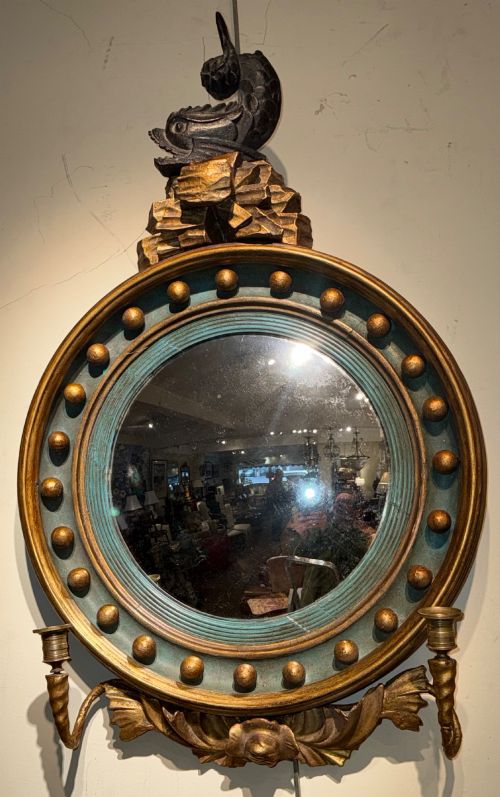
Framed Circular Wall Mirror
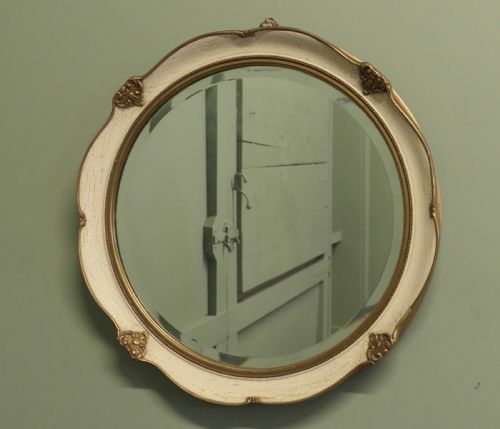
A framed circular wall mirror brings immediate depth to a room, catching the light and drawing the eye with its curved silhouette.
Framed Circular Wall Mirror
When you search for a framed circular wall mirror, you encounter pieces designed to hang in hallways, principal rooms, and intimate spaces. The selection ranges from compact domestic examples to grand scale objects spanning multiple decades and design movements.
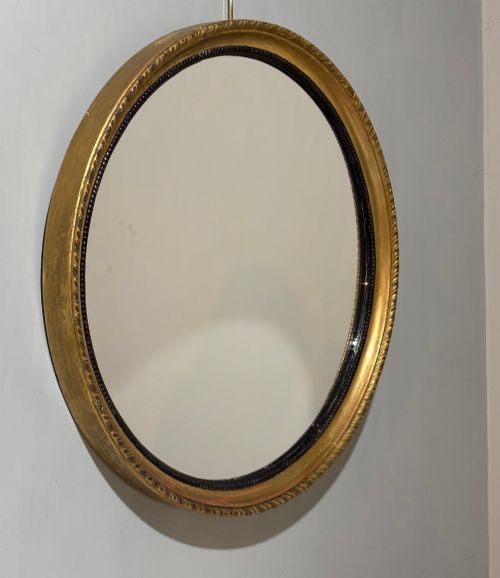
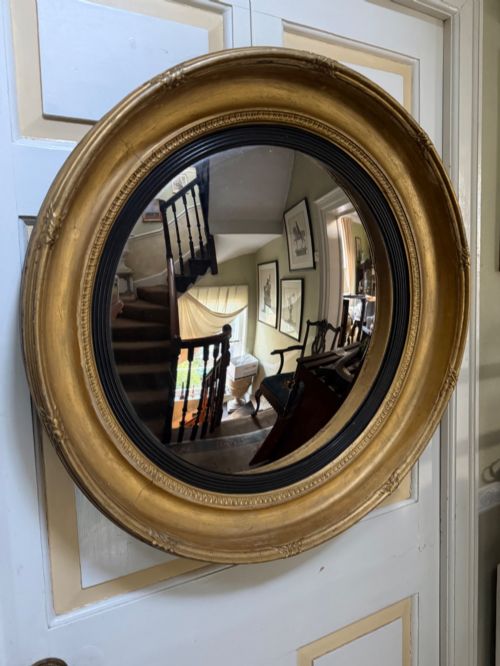
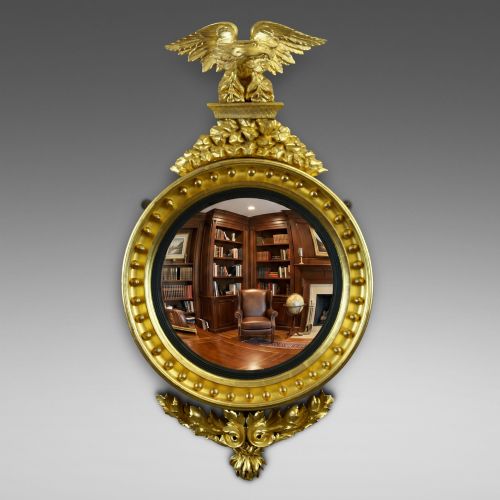
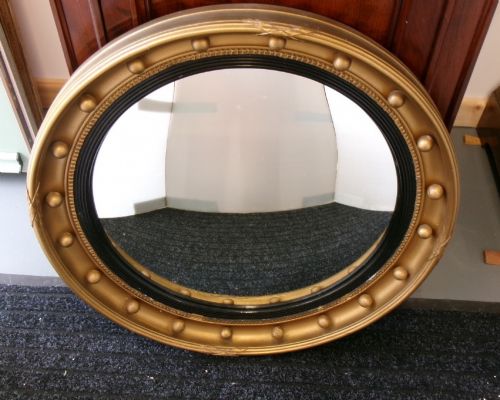
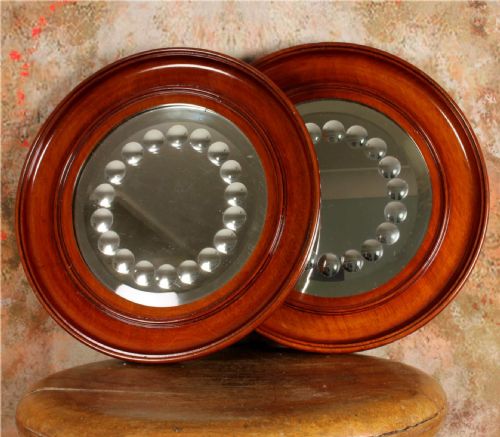
The most common examples you meet on this page are giltwood and gesso convex mirrors from the nineteenth century, alongside Edwardian and later iterations in oak, walnut, mahogany, and brass. Makers utilised these circular formats to alter spatial perception in interiors long before modern glass production allowed for large flat panes.
Period variations span from Regency splendour through Victorian manufacture to Art Deco simplicity. You will find pieces defined by distinct regional styles, including English Regency frames and Florentine carvings.
How they were made
The construction of these mirrors relies heavily on carved timber substrates built up with gesso before receiving layers of gold leaf or paint. Giltwood frames require skilled hands to apply thin sheets of gold to prepared surfaces, creating a rich reflective sheen.
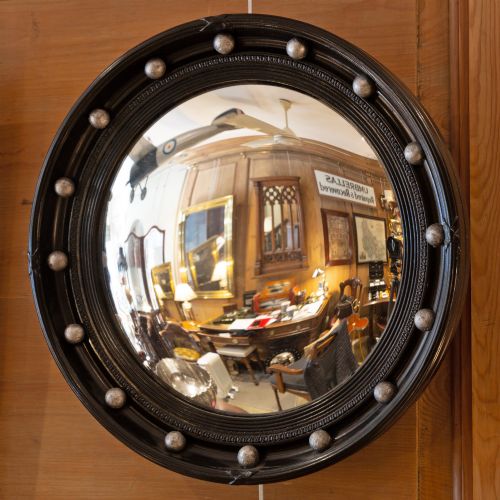
Alternative materials include cast iron from foundries such as Coalbrookdale, solid oak, walnut, and alabaster. Mechanics of the period often employed convex glass blanks blown by hand, which created the characteristic curved reflection seen in portholes and sorcerer mirrors.
Framed Circular Wall Mirror Retail Price Guide 2026
Typical asking prices for framed circular wall mirror among the pieces listed under this phrase on Sellingantiques today, from the lower quarter to the upper quarter. They describe what is for sale here now, not the wider market.
Victorian domestic superstition dictated that hanging a convex sorcerer mirror in the parlour would quietly watch over guests and absorb family misfortunes.
What varies in quality
Quality rests in the crispness of the carved detail and the integrity of the gilded surface. Hand-carved giltwood with deep relief work represents a higher standard of craftsmanship than moulded composition ornament applied to softer woods.
The preservation of the original reflective plate matters greatly, as does the tightness of the frame joints. Superior examples retain their early gilding with minimal intervention, while lesser pieces show heavy overpainting or replacement glass.
The Framed Circular Wall Mirror Glossary
- Convex mirror
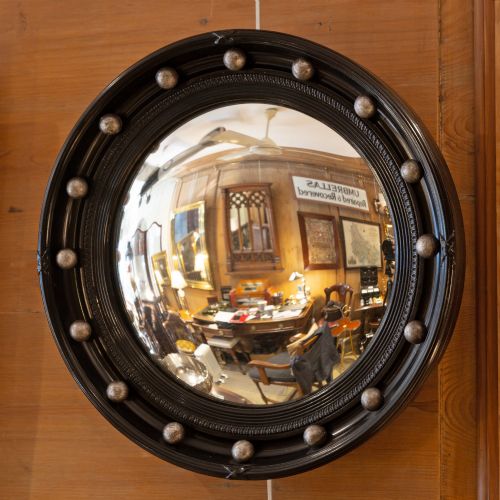
- A round mirror with a curved outward glass plate that provides a wide-angle reflection of the interior. These pieces were historically believed to protect homes and assist servants in monitoring rooms.
- Giltwood
- Timber that has been coated with a thin layer of gold leaf over a prepared gesso base. This technique creates a durable and luminous finish characteristic of period frames.
- Gesso
- A plaster mixture applied to wood frames to provide a smooth base for gilding or painting. Artisans carved intricate details directly into this hardened layer.
- Porthole mirror
- A colloquial term for a round wall mirror, often convex, resembling the nautical window of a ship. They gained popularity during the Victorian era for domestic hallways.
- Sorcerer's mirror
- Another name for a convex wall mirror, sometimes called a witch's mirror. Folk tradition held that these objects warded off evil spirits and reflected domestic harmony.
Framed Circular Wall Mirror: Frequently Asked Questions
Why do period mirrors have curved glass?
Early glass-making technology limited the size of flat panes that could be produced without distortion. Blowing glass into a spherical shape allowed makers to create stable, flawless plates.
These curved surfaces also served a practical purpose in period homes by capturing light from across the entire room and illuminating dim corners.
How should I clean a antique giltwood frame?
Dust giltwood frames gently with a soft, dry brush to prevent damage to the delicate gold leaf layers. Avoid using water, chemical sprays, or abrasive cloths.
Moisture can penetrate the gesso and cause the historic gilding to flake away from the wooden substrate over time.
What is the difference between Regency and Victorian mirrors?
Regency mirrors frequently feature classical motifs such as reeded ebony slips, ball-studded bezels, and carved eagles perched atop the frame. They reflect the neoclassical tastes of the early nineteenth century.
Victorian examples often display heavier, more robust carving, cast iron elements, or simpler oak and walnut surrounds suited to changing domestic interiors.